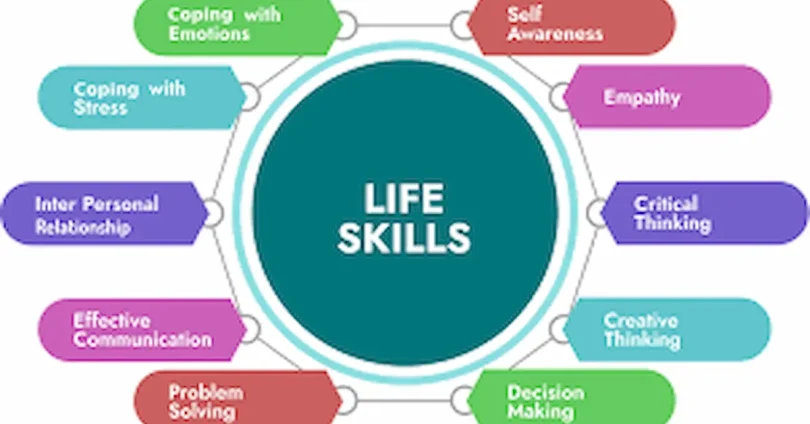

What are life skills for students? Life skills are essential abilities that help students manage everyday challenges and succeed both in school and in life. While academic knowledge is important, it is not enough on its own. Life skills teach students how to think critically, communicate effectively, solve problems, manage time, and make responsible decisions.
Developing these skills early prepares students for real-world situations, boosts confidence, and improves overall personal growth. By learning life skills alongside academics, students can navigate challenges more easily, build stronger relationships, and be ready for a successful future.
Importance of Life Skills for Students
Life skills for students are vital abilities that help young learners navigate both school and everyday life. Academic knowledge alone cannot prepare students for real-world challenges, and that’s where life skills come in. They shape confident, responsible, and capable individuals who can handle any situation.
Building Confidence
One of the most significant benefits of life skills is confidence building. When students know how to solve problems, communicate their thoughts, or manage tasks efficiently, they feel more self-assured. Confident students are more likely to participate in class, take on new challenges, and trust their abilities.
Improving Communication
Effective communication is another crucial life skill. Students who can express ideas clearly, listen actively, and collaborate with others tend to succeed both academically and socially. Communication skills are also essential for teamwork, presentations, and building positive relationships with peers and teachers.
Managing Time and Stress
Life skills teach students time management and stress control. Organizing tasks, creating schedules, and setting priorities help students meet deadlines and avoid last-minute pressure. Additionally, learning how to cope with stress ensures students stay focused and productive, even in challenging situations.
Making Responsible Decisions
Students equipped with life skills are better at making informed and responsible decisions. By evaluating options, considering consequences, and taking accountability, students develop critical thinking abilities. These skills not only help in school but also prepare them for real-life decision-making.
Preparing for the Future
Life skills prepare students for future challenges in personal, academic, and professional life. Adaptability, problem-solving, leadership, and teamwork are all part of life skills that ensure students are ready to face new opportunities and overcome obstacles with confidence.
Key Life Skills Every Student Should Learn
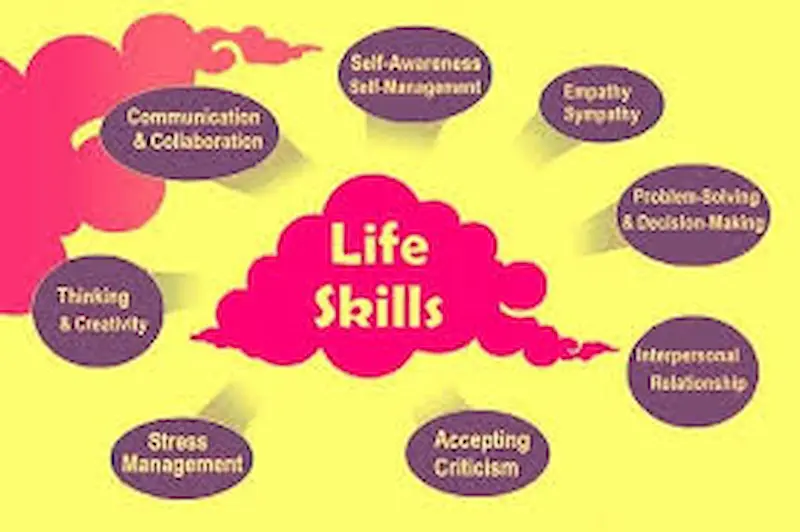
Life skills for students are the building blocks for success in academics, social life, and the future workplace. While textbooks teach knowledge, life skills teach how to apply that knowledge effectively. Here’s a detailed look at the most important life skills students should develop:
1. Communication Skills
Communication skills involve speaking clearly, listening carefully, writing effectively, and understanding non-verbal cues. For students, strong communication skills mean they can share ideas confidently in class, participate in group discussions, and resolve misunderstandings with friends. Activities like giving presentations, writing essays, or joining debate clubs can greatly improve these skills. what are life skills for students
2. Problem-Solving and Critical Thinking
Problem-solving and critical thinking help students analyze situations, identify challenges, and develop practical solutions. For example, a student working on a group project may face disagreements or obstacles; using critical thinking allows them to find compromises and complete tasks efficiently. These skills also foster creativity and independence.
3. Time Management
Time management is the ability to plan, prioritize, and complete tasks efficiently. Students can benefit from creating study schedules, setting short-term goals, and using planners or digital apps.what are life skills for students
4. Emotional Intelligence
Emotional intelligence (EI) is the ability to understand, control, and express emotions in a healthy way. High EI helps students handle conflicts calmly, empathize with classmates, and maintain positive relationships. Journaling, mindfulness exercises, and talking about feelings with trusted adults can improve emotional intelligence. what are life skills for students
5. Decision-Making
Good decision-making skills involve evaluating options, predicting outcomes, and taking responsibility for choices. For instance, choosing between spending time on studies or entertainment requires thoughtful decision-making. Practicing this skill builds independence, accountability, and confidence in everyday life. what are life skills for students
6. Leadership and Teamwork
Leadership and teamwork are essential for collaboration and guiding others. Students learn to motivate teammates, delegate tasks, and manage group responsibilities effectively. Joining clubs, participating in group projects, or volunteering can help develop these skills while fostering a sense of responsibility.
7. Financial Literacy
Financial literacy teaches students how to manage money wisely, including saving, budgeting, and understanding basic financial concepts. For example, a student learning to budget pocket money or plan for school supplies develops habits that will benefit them in adulthood. what are life skills for students
8. Adaptability and Resilience
The world is constantly changing, and students need adaptability and resilience to face challenges positively. Students who can adjust to new situations, recover from failures, and stay motivated are more likely to succeed in school and life. Activities like taking on new responsibilities, trying unfamiliar tasks, or learning from mistakes strengthen resilience. what are life skills for students
9. Self-Motivation and Goal-Setting
Self-motivation and goal-setting help students stay focused and work towards long-term achievements. Setting personal goals, tracking progress, and rewarding small successes encourage persistence and a proactive attitude. what are life skills for students
10. Digital Literacy
In today’s world, digital literacy is a crucial life skill. Students need to know how to use technology responsibly, research information online, and protect personal data. Digital skills enhance learning, communication, and future career readiness.
How Students Can Develop Life Skills
Learning life skills for students is a gradual process that combines practice, guidance, and real-life experiences. Developing these skills early ensures students are prepared for challenges in school, relationships, and future careers. Here are some effective ways to help students build essential life skills:
1. Participate in Group Activities and Clubs
Being part of school clubs, sports teams, or group projects allows students to practice teamwork, leadership, and communication. For example, organizing a school event or working on a class project teaches planning, collaboration, and problem-solving. These activities also boost confidence and social skills. what are life skills for students
2. Practice Self-Reflection
Self-reflection helps students understand their emotions, behaviors, and decisions. Journaling daily experiences, thinking about what went well or wrong, and setting personal improvement goals can enhance emotional intelligence, self-awareness, and decision-making. what are life skills for students
3. Attend Workshops and Courses
Life skills workshops, seminars, and online courses provide structured learning opportunities on topics like time management, leadership, emotional intelligence, and financial literacy. Students gain practical strategies they can immediately apply to their studies and personal life. what are life skills for students
4. Set Personal Goals
Goal-setting helps students stay focused and motivated. By breaking larger tasks into smaller achievable goals, like completing homework on time, improving a skill, or learning a new hobby, students learn planning, persistence, and self-discipline. Tracking progress also builds confidence and accountability. what are life skills for students
5. Seek Mentorship and Guidance
Parents, teachers, or older peers can act as mentors, guiding students through challenges, providing feedback, and encouraging growth. Mentorship teaches problem-solving, critical thinking, and decision-making in real-world contexts. what are life skills for students
6. Take on Responsibilities
Students can develop independence and accountability by taking on responsibilities at home, school, or in community projects. Managing chores, organizing study schedules, or leading a small project helps them practice time management, leadership, and problem-solving. what are life skills for students
7. Practice Real-Life Scenarios
Role-playing or simulating real-life situations teaches practical application of life skills. For instance, negotiating tasks with classmates, budgeting pocket money, or planning a group outing can enhance communication, decision-making, and teamwork skills. what are life skills for students
8. Embrace Challenges and Learn from Mistakes
Facing challenges encourages resilience and adaptability. Students who try new things, accept failures as lessons, and keep trying develop problem-solving skills, perseverance, and confidence. This mindset prepares them for both academic and life challenges. what are life skills for students
9. Use Technology Wisely
Digital tools and apps can help students learn time management, organization, and research skills. Using calendars, study apps, or online tutorials not only improves efficiency but also teaches responsibility and self-discipline in a tech-driven world. what are life skills for students
10. Volunteer and Participate in Community Activities
Volunteering helps students develop empathy, teamwork, and leadership. Helping at local charities, school events, or community projects teaches social responsibility and exposes students to real-world problem-solving experiences. what are life skills for students
11. Practice Mindfulness and Stress Management
Teaching students mindfulness techniques, breathing exercises, or simple meditation can improve emotional intelligence, focus, and stress management. Being aware of their emotions helps students handle challenges calmly and make better decisions.
you may also like to read these posts;
Why Smart Learning is Effective: Boost Your Skills Fast
Top Smart Learning Strategies to Study Better in 2025
Smart Learning vs Traditional Learning: Key Differences
Types of Career Paths for Students: A Complete Guide
Career Path Planning: How to Build a Successful Career
Examples of Life Skills in Daily Student Life
Life skills for students are best understood when we look at how they are applied in everyday life. These skills are not just theoretical—they can be practiced daily to help students grow academically, socially, and personally. Here are some examples:
Resolving Conflicts with Classmates
When students face disagreements with classmates, they learn to communicate effectively, listen to others, and find fair solutions. For instance, during a group project, students might have different opinions on how to complete a task. Using problem-solving and emotional intelligence, they can negotiate and reach a compromise, which strengthens relationships and teamwork skills.
Managing School Assignments and Deadlines
Time management is an essential life skill. Students who plan their homework, projects, and study sessions can avoid last-minute stress and improve productivity. For example, breaking a big assignment into smaller tasks and scheduling specific times to complete them teaches planning, organization, and discipline. what are life skills for students
Making Smart Choices About Money
Financial literacy can be practiced even in small ways. A student who saves pocket money to buy a desired item, budgets for school supplies, or plans spending for snacks is developing decision-making, responsibility, and planning skills. These habits help prepare students for managing money responsibly in the future. what are life skills for students
Leading a Project or Participating in Teamwork
Leadership and teamwork are developed when students work together on school projects or events. By coordinating tasks, motivating peers, and collaborating effectively, students learn responsibility, communication, and problem-solving. Even small roles, like presenting a topic or helping organize an event, contribute to building leadership skills. what are life skills for students
Staying Calm and Focused Under Pressure
Resilience and stress management are critical life skills. Students can practice staying calm during exams, presentations, or competitions by planning ahead, managing time wisely, and using techniques like deep breathing or short breaks. These skills help them maintain focus, think clearly, and perform better in challenging situations. what are life skills for students
Adapting to New Situations
Adapting to change is an important skill for life. Students who transfer to a new school, join a different club, or face unexpected changes in routines learn flexibility, problem-solving, and social skills. Being open to new experiences and adjusting positively helps them grow more confident and capable. what are life skills for students
Volunteering or Helping Others
Helping others fosters empathy, social responsibility, and collaboration. Participating in school events, community projects, or even small acts like assisting a classmate encourages students to understand others’ perspectives, develop teamwork, and build a sense of contribution. what are life skills for students
Using Technology Responsibly
Digital literacy is an important life skill today. Students who research assignments online, use educational apps, and manage screen time responsibly practice critical thinking, organization, and self-discipline. Knowing how to use technology wisely prepares them for both academic and future professional life. what are life skills for students
Setting and Achieving Personal Goals
Students can develop motivation and persistence by setting personal goals. For example, aiming to improve grades, learn a new skill, or complete a project teaches planning, tracking progress, and celebrating achievements. This habit strengthens self-discipline, confidence, and accountability. what are life skills for students
Balancing Academics and Personal Life
Learning to balance schoolwork with hobbies, family time, and rest helps students practice time management, prioritization, and self-care. For instance, allocating specific time for studies, sports, and relaxation ensures overall well-being and reduces stress.
Handling Peer Pressure
Students often face peer pressure, which requires assertiveness and decision-making skills. Saying no to unhealthy choices or standing up for what is right teaches independence, confidence, and critical thinking. what are life skills for students
Benefits of Learning Life Skills Early
Developing life skills at an early age can have a lasting impact on a student’s personal, academic, and professional life. The earlier students start practicing these skills, the more confident and prepared they become for future challenges. Here are some key benefits:
Better Academic Performance
Students with strong life skills such as time management, problem-solving, and critical thinking tend to perform better in school. Planning study schedules, breaking tasks into smaller goals, and staying focused helps them complete assignments efficiently and achieve higher grades.
Stronger Relationships
Life skills like communication, empathy, and teamwork help students build positive relationships with classmates, teachers, and family members. Students who understand emotions, listen actively, and resolve conflicts respectfully enjoy healthier social interactions.
Increased Confidence and Independence
Learning life skills gives students the ability to make decisions, solve problems, and take responsibility for their actions. This independence boosts confidence and encourages them to take on new challenges without fear or hesitation.
Better Decision-Making
Students who develop life skills early can evaluate situations, weigh options, and make thoughtful choices. This ability reduces poor decisions, increases responsibility, and helps them navigate complex situations both in school and in life.
Emotional Well-Being
Life skills like stress management, adaptability, and emotional intelligence help students handle pressure, setbacks, and changes effectively. Early practice promotes resilience, a positive mindset, and better mental health.
Preparation for Future Careers
Life skills equip students with qualities employers value, such as communication, teamwork, problem-solving, and leadership. Early development ensures students are not only academically capable but also ready to succeed in their professional life.
Personal Growth and Lifelong Learning
Life skills encourage curiosity, self-reflection, and continuous improvement. Students who start early develop habits of learning from experiences, setting goals, and striving for personal growth, which benefits them throughout their life.
Better Adaptability
The world is constantly changing, and students with life skills can adapt to new situations, challenges, or environments more easily. This flexibility makes them more resilient and confident in facing unexpected obstacles.
What are life skills for students?
Life skills for students are essential abilities that help them manage everyday challenges, communicate effectively, solve problems, and make responsible decisions. These skills support personal growth, academic success, and future career readiness.
Why are life skills important for students?
Life skills help students build confidence, improve relationships, handle stress, make better decisions, and adapt to new situations. They prepare students for challenges both in school and in life.
Can life skills be learned in school?
Yes, schools can help students develop life skills through group activities, teamwork, workshops, leadership opportunities, and real-life projects. However, practice at home and in daily life is also important.
At what age should students start learning life skills?
Students can start developing life skills from an early age. Simple skills like communication, decision-making, and teamwork can begin in primary school, while more advanced skills like financial literacy or leadership can develop in middle and high school.
How can parents help students develop life skills?
Parents can guide students by providing opportunities for responsibility, encouraging problem-solving, supporting goal-setting, teaching financial management, and modeling good communication and decision-making behaviors.
Conclusion
Life skills for students are more than just abilities—they are essential tools that help young learners succeed in school, relationships, and future careers. While academic knowledge provides information, life skills teach students how to apply knowledge, make decisions, solve problems, communicate effectively, and manage challenges.
By developing life skills such as time management, emotional intelligence, leadership, teamwork, and adaptability, students gain confidence, independence, and the ability to handle real-world situations. Practicing these skills early not only improves academic performance but also prepares students for lifelong success.
Parents, teachers, and students themselves play an important role in nurturing life skills. Through guidance, practice, and real-life experiences, students can grow into responsible, capable, and well-rounded individuals ready to face any challenge.
Focusing on life skills today ensures that students are not only academically competent but also prepared for a successful and fulfilling life tomorrow.