
Top smart learning strategies can change the way you study and help you achieve better results in less time. In today’s busy world, working harder is not always enough. What makes the real difference is learning smarter with techniques that improve memory, boost focus, and make studying more effective.
By following these strategies, you can save time, reduce stress, and enjoy the learning process. Whether you are a student or a professional, smart learning will help you reach your goals more quickly and efficiently.
Active Learning
Top smart learning strategies begin with active learning, which means engaging with your study material instead of just reading or listening passively. When you ask questions, take part in discussions, or explain a topic to someone else, you understand it better and remember it for longer.
Active learning makes studying more interesting and helps you connect ideas easily. Simple methods like summarizing a lesson in your own words, creating flashcards, or teaching a friend can turn boring study sessions into powerful learning experiences.
Spaced Repetition
What is Spaced Repetition?
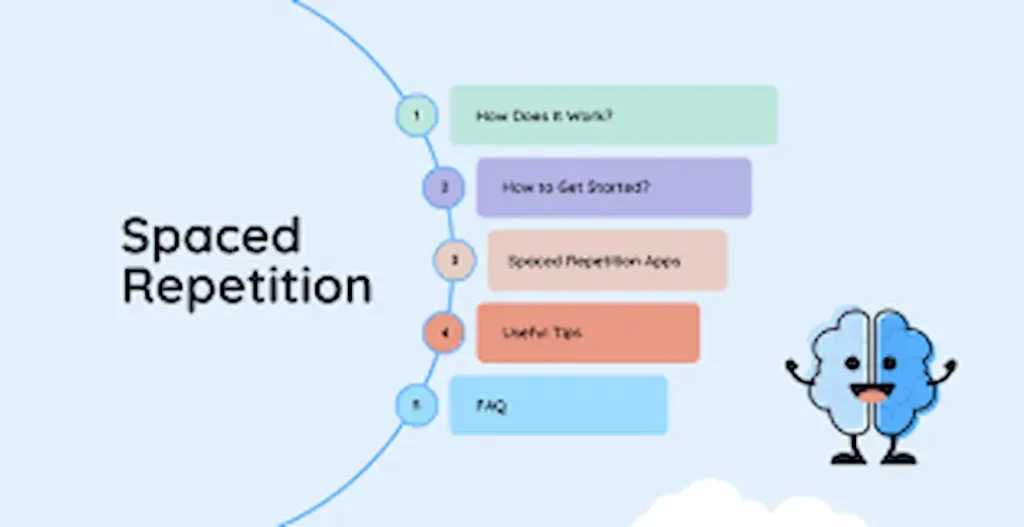
Top smart learning strategies are incomplete without spaced repetition. It is a powerful learning method where you review information at increasing intervals instead of studying everything at once. Unlike cramming, which fades from memory quickly, spaced repetition strengthens your brain’s ability to recall knowledge over time.
Why Spaced Repetition Works
When you revisit information after a gap, your brain works harder to recall it. This effort strengthens memory and makes it stick for longer. Each review acts like an exercise for your brain, building stronger connections. This is why students who use spaced repetition often perform better in exams and professional learning.
How to Use Spaced Repetition
There are different ways to apply this strategy in daily study:
- Flashcards: Write a question on one side and the answer on the other, then review them regularly.
- Digital Tools: Apps like Anki, Quizlet, and Memrise use algorithms to show you content just before you’re about to forget it.
- Personal Notes: Highlight key points and revise them after one day, then after three days, one week, and so on.
Benefits of Spaced Repetition
- Improves long-term memory
- Saves time by focusing on weak areas
- Reduces exam stress since you revise gradually
- Works for all subjects, from science to languages
Example in Real Life
Imagine you are learning 50 new English words. Instead of trying to memorize them all in one sitting, you revise 10 today, check them again after two days, then review after a week. By the end of a month, those words stay in your memory naturally, without the stress of last-minute cramming.
Use of Technology
Role of Technology in Smart Learning
Top smart learning strategies are incomplete without technology. In today’s digital world, learning is no longer limited to heavy books or classroom lectures. Technology gives you the freedom to study anytime, anywhere, and in a way that suits your personal style. Whether it’s through apps, online platforms, or smart devices, technology helps make learning faster, more enjoyable, and more effective.
Digital Tools for Better Learning
There are countless digital tools available that can turn ordinary study sessions into smart learning experiences:
- Note-Taking Apps: Evernote, Notion, and OneNote help you organize notes neatly. You can add images, links, or even voice recordings to make your notes more powerful.
- Language Learning Apps: Duolingo, Babbel, and Memrise are fun ways to learn new languages with games, quizzes, and daily practice reminders.
- Flashcard Apps: Anki and Quizlet help you remember key facts through spaced repetition. They are especially useful for vocabulary, formulas, or quick facts.
- Learning Platforms: Coursera, Udemy, and Khan Academy offer thousands of online courses in almost every subject. You can learn directly from global experts.
- Productivity Tools: Apps like Trello or Todoist help you create study schedules, track progress, and stay organized.
Benefits of Using Technology
Using technology for smart learning comes with many advantages:
- Access to Unlimited Knowledge: With just one click, you can read articles, watch videos, or join an online lecture.
- Interactive Learning: Videos, animations, and quizzes make complex topics simple and engaging.
- Global Collaboration: Online forums, study groups, and communities connect learners across the world.
- Personalized Experience: AI-powered apps suggest lessons and exercises based on your strengths and weaknesses.
- Time-Saving: You can search for explanations instantly instead of spending hours figuring things out on your own.
Tips for Smart Use of Technology
While technology is very helpful, using it wisely is important to avoid distractions. Here are a few tips:
- Keep your phone in study mode by disabling unnecessary notifications.
- Use apps that block distracting websites while studying.
- Make a fixed study schedule so you don’t waste time online.
- Focus on one platform or app at a time to avoid confusion.
Real-Life Example
Imagine you are preparing for a science exam. Instead of only reading from a textbook, you:
- Watch short video lessons on YouTube to understand concepts visually.
- Use Quizlet flashcards for quick revision.
- Practice quizzes on Khan Academy to test your knowledge.
- Join an online group discussion to clear doubts.
This way, you cover the same material in less time, understand it better, and feel more confident.
Setting Clear Goals
Why Goals Matter in Smart Learning
Top smart learning strategies are incomplete without goal-setting. When you study without goals, it’s like walking without a map—you don’t know where you are heading. Clear goals give you focus, motivation, and a sense of purpose. They help you study with direction instead of wasting time on unimportant material.
A student with a goal like “I want to score 80% in my exams” will plan better, study smarter, and track progress compared to someone who just studies without a clear target.
The SMART Method for Goal-Setting
The most effective way to set goals is to follow the SMART rule, which ensures your goals are realistic and trackable:
- Specific – Don’t just say, “I want to study math.” Instead say, “I will solve 10 algebra questions daily.”
- Measurable – Track your progress. Example: “I will complete 4 chapters of biology in 2 weeks.”
- Achievable – Avoid unrealistic goals like studying 12 hours a day. Keep it practical, like “2 hours daily with breaks.”
- Relevant – Focus on goals that match your bigger aim. If your exam is near, prioritize exam subjects over hobbies.
- Time-bound – Set deadlines. Example: “I will finish my history notes by Sunday.”
This formula ensures that your learning goals are clear, practical, and motivating.
Breaking Big Goals into Small Steps
Big goals can feel scary. The trick is to break them down into smaller, manageable tasks.
- Big Goal: Become fluent in English.
- Small Steps: Learn 5 new words daily, practice speaking for 10 minutes, and watch one English video each day.
By focusing on small steps, you avoid stress and slowly build up to your bigger dream.
Tools and Methods to Stay on Track
There are many tools to help you set, track, and achieve your study goals:
- Planners and Calendars: Write down daily study tasks.
- Apps like Notion, Trello, or Todoist: Keep a digital to-do list.
- Study Timers (Pomodoro Apps): Break study time into 25-minute sessions for better focus.
- Habit Trackers: Monitor daily progress and build consistent study habits.
Benefits of Goal-Setting in Learning
When you set and follow goals, you gain several benefits:
- Better focus with no wasted effort
- More motivation because you see your progress
- Less stress since tasks are broken into smaller parts
- Improved time management and productivity
- A sense of achievement after every completed milestone
Real-Life Example
Imagine two students preparing for the same exam.
- Student A studies randomly, reads whatever comes first, and often feels lost.
- Student B sets a clear goal: “I will finish 2 chapters of physics this week and practice 20 problems daily.”
At the end of the week, Student B feels confident and prepared, while Student A is still struggling. This shows how powerful clear goals can be in smart learning.
Motivation for Learners
Remember, goals are not just about exams or grades. They are about building habits, staying consistent, and growing step by step. Even small achievements matter—completing one chapter, solving a few problems, or writing a summary can keep you moving forward.
Mind Mapping
What is Mind Mapping?
Top smart learning strategies often include mind mapping, a powerful technique for organizing thoughts visually. Instead of writing information in long paragraphs, a mind map uses diagrams, colors, and keywords to connect ideas. This makes learning more creative, engaging, and easy to remember.
Why Mind Mapping Works
Our brain loves visuals. When you use colors, shapes, and connections, it becomes easier to understand and recall complex topics. Mind mapping activates both sides of the brain—logic and creativity—which makes learning deeper and more effective.
How to Create a Mind Map
Making a mind map is simple and fun:
- Write the main topic in the center of a page.
- Draw branches for subtopics or key points.
- Add smaller branches for details, facts, or examples.
- Use colors, symbols, or images to make it more memorable.
For example, if your topic is “Smart Learning Strategies”, the center would be the main title. From there, you could branch out to Active Learning, Spaced Repetition, Technology, Goals, and so on, with more details under each branch.
Benefits of Mind Mapping
- Better Understanding: Helps you see the “big picture” of a topic.
- Memory Boost: Visual connections make recall easier.
- Organized Notes: Turns messy information into structured diagrams.
- Creative Thinking: Encourages brainstorming and new ideas.
- Quick Revision: One mind map can replace pages of notes.
Tools for Mind Mapping
You can create mind maps using simple pen and paper or digital tools. Some popular apps include:
- XMind – Great for detailed digital mind maps.
- MindMeister – Perfect for collaborative mind mapping online.
- Miro – A flexible tool for brainstorming and group projects.
Real-Life Example
Imagine you’re preparing for a history exam. Instead of writing long notes, you create a mind map:
- In the center: “World War II”
- Branches: Causes, Major Events, Key Leaders, Outcomes
- Sub-branches: Specific battles, treaties, and important dates
With one quick look at the map, you can recall all the main points and their connections, making revision faster and stress-free.
Extra Tips for Effective Mind Mapping
- Keep it simple: use keywords, not long sentences.
- Add doodles or small images to boost memory.
- Use different colors for different branches to separate ideas clearly.
- Review and update your mind maps regularly.
you may also like to read these posts;
Smart Learning vs Traditional Learning: Key Differences
Types of Career Paths for Students: A Complete Guide
Career Path Planning: How to Build a Successful Career
What is Smart Learning? Benefits, Features, and Future Guide
Types of Smart Learning Methods for Modern Education
Practice and Application
Why Practice is Essential in Smart Learning
Top smart learning strategies are not complete without practice and application. Reading books, attending lectures, or watching tutorials gives you knowledge, but if you don’t apply it, the information fades away quickly. Practice turns theory into real understanding, while application shows you how that knowledge works in real life.
Think of it like sports: you cannot become a good football player just by watching matches—you must train on the field. Learning works the same way.
Learning by Doing: Turning Theory into Action
Smart learners know that practice is the key to mastery. Here’s how it applies to different fields:
- Mathematics: Don’t just read solved examples. Try solving problems on your own, step by step.
- Languages: Instead of only memorizing vocabulary, practice speaking with friends or writing small paragraphs daily.
- Science: Move beyond theory by doing experiments, watching lab demos, or applying concepts in mini projects.
- Programming: Don’t only watch coding tutorials—write your own programs and test them.
- Arts & Creativity: Sketch, paint, or design regularly to strengthen skills instead of only reading about techniques.
Methods to Apply Knowledge
There are many ways to bring learning into practice:
- Case Studies – Analyze real-life scenarios related to your subject. For example, a business student studies how a company succeeded or failed.
- Projects – Create something practical. A history student might make a timeline project, while a computer student builds an app.
- Simulations & Role Plays – Act out real-world situations, such as a debate, mock interview, or group discussion.
- Quizzes & Self-Testing – Regular tests show how much you remember and what needs more focus.
- Group Work & Collaboration – Sharing ideas in group study sessions exposes you to different viewpoints.
- Teaching Others – Explaining a concept to a friend or family member is one of the best ways to reinforce your own learning.
Benefits of Practice and Application
- Long-Term Retention: Practice locks information in memory.
- Confidence Boost: Applying knowledge makes you feel prepared.
- Problem-Solving Skills: You learn how to think critically and creatively.
- Less Exam Stress: Regular practice reduces last-minute panic.
- Real-Life Relevance: You understand how your learning is useful outside the classroom.
Real-Life Examples
- A medical student studies anatomy, but real understanding comes when they practice in labs.
- A language learner reads grammar rules, but fluency develops when they speak daily.
- A computer science student understands theory, but true learning happens when they build real projects.
Tips for Smart Practice
- Be Consistent: Practice daily, even if only for a short time.
- Focus on Weak Areas: Spend extra time on topics you find difficult.
- Mix Theory with Practice: Read, then apply what you’ve learned immediately.
- Track Your Progress: Keep a journal or checklist of what you’ve practiced.
- Learn from Mistakes: Don’t be afraid of errors—they are part of the learning process.
Extra Motivation
Practice doesn’t mean perfection from the beginning—it means progress step by step. The more you apply what you learn, the stronger your skills become. Over time, practice turns into mastery.
Healthy Study Habits
Why Healthy Habits Matter in Smart Learning
Top smart learning strategies are not just about techniques like mind mapping or spaced repetition—they also include healthy habits. Your brain works best when your body is healthy and your mind is relaxed. Poor sleep, bad diet, or nonstop studying can reduce focus and memory. That’s why developing healthy study habits is essential for long-term success.
Importance of Sleep
Sleep is like fuel for the brain. Without enough rest, you feel tired, distracted, and unable to focus.
- Good Habit: Aim for 7–8 hours of sleep each night.
- Smart Tip: Revise key points before sleeping; your brain will process them during rest.
Eating for Brain Power
What you eat affects how well you study. Junk food may give quick energy, but it leads to fatigue. Healthy food supports concentration and memory.
- Good Foods: Nuts, fruits, vegetables, fish, and whole grains.
- Avoid: Too much sugar and fast food before study sessions.
Taking Regular Breaks
Studying for long hours without a break makes your brain tired. Short breaks refresh your mind and improve focus.
- Pomodoro Technique: Study for 25 minutes, then take a 5-minute break. After 4 sessions, take a longer break.
- Tip: Use breaks for stretching, drinking water, or a short walk.
Exercise and Movement
Physical activity improves blood flow to the brain, which increases focus and memory.
- Simple Habits: 15 minutes of exercise, yoga, or even walking daily.
- Benefit: A more active body keeps your mind alert.
Creating a Study-Friendly Environment
Where you study affects how well you focus.
- Good Environment: A quiet, clean, and well-lit place.
- Organized Desk: Keep books, notes, and stationery ready to avoid distractions.
- Digital Discipline: Turn off unnecessary notifications when studying.
Managing Stress
Stress can block learning and reduce productivity. Smart learners manage stress by balancing work and relaxation.
- Tips: Practice deep breathing, meditation, or listen to calming music.
- Positive Mindset: Celebrate small achievements to stay motivated.
Benefits of Healthy Study Habits
- Improved focus and concentration
- Better long-term memory
- Less fatigue and stress top smart learning strategies
- Higher productivity in less time top smart learning strategies
- A positive and balanced lifestyle top smart learning strategies
Real-Life Example
Imagine two students preparing for exams. top smart learning strategies
- Student A stays up late, eats junk food, and studies non-stop. On exam day, they feel tired and stressed.
- Student B sleeps well, takes breaks, eats healthy, and follows a study routine. They walk into the exam hall fresh and confident.
Clearly, healthy habits make a big difference in learning outcomes.
Reflection and Self-Assessment
The Role of Reflection in Smart Learning
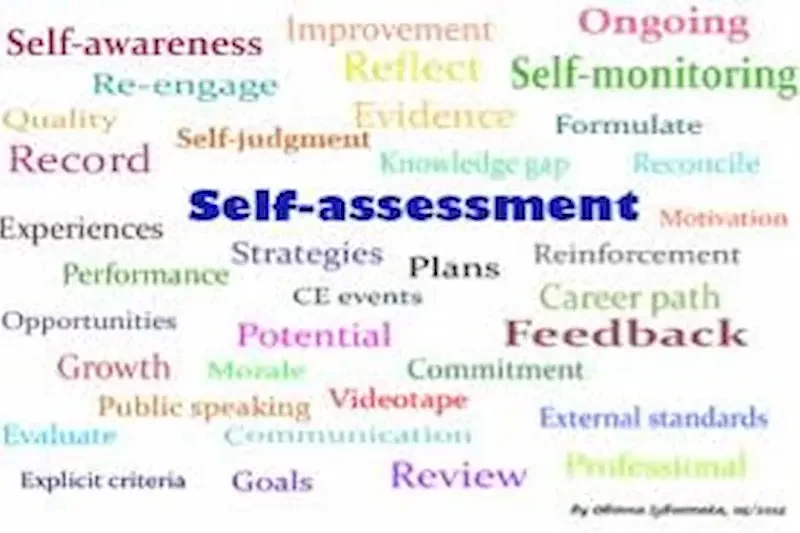
Top smart learning strategies are not just about how you take notes or use technology; they also involve how you think about your own learning. Reflection means taking a step back after studying and asking yourself: What did I understand well? What confused me? What should I do differently next time? top smart learning strategies
When you reflect, you develop a growth mindset. Instead of saying, “I’m not good at math,” you ask, “Which part of math do I need to practice more?” This shift in thinking makes learning less stressful and more effective. top smart learning strategies
Self-Assessment Builds Responsibility
Self-assessment encourages students to take responsibility for their education. Instead of waiting for a teacher or exam to measure performance, you actively check your progress. This habit creates independent learners who know how to track and improve their skills.
Think of it like driving a car—you don’t just wait until the end of a journey to check if you’re lost. You check your map or GPS throughout the trip. Self-assessment is the “GPS” of learning. top smart learning strategies
Benefits of Regular Reflection
- Improved Learning Speed – By identifying weak areas early, you save time and energy. top smart learning strategies
- Stronger Confidence – Knowing your progress builds belief in your abilities. top smart learning strategies
- Smarter Study Plans – Reflection helps you focus on what matters instead of wasting time. top smart learning strategies
- Reduced Exam Anxiety – If you assess yourself often, exams feel less scary because you’ve been practicing regularly.
- Deeper Understanding – Reflecting forces you to think critically instead of memorizing blindly. top smart learning strategies
Practical Reflection Strategies
- End-of-Day Check: After studying, ask yourself, “What three things did I learn today?” top smart learning strategies
- Traffic Light Method: Mark topics as Green (understood), Yellow (need practice), or Red (don’t understand).
- Weekly Review Sessions: Every week, revisit your notes and test yourself on old topics. top smart learning strategies
- Peer Reflection: Discuss with friends what you learned and share feedback. top smart learning strategies
- Error Analysis: Don’t just note mistakes—write why you made them and how to avoid repeating them. top smart learning strategies
Self-Assessment Techniques
- Mini Quizzes: Create 5–10 questions after every lesson to test yourself. top smart learning strategies
- Past Papers: Time yourself with old exam papers to see how prepared you are. top smart learning strategies
- Feynman Technique: Pick a topic and explain it in simple language as if teaching a child. top smart learning strategies
- Flashcards: Test your recall quickly with digital or paper flashcards. top smart learning strategies
- Goal Tracker: Keep a chart of goals and check off progress weekly. top smart learning strategies
Reflection Through Journaling
Keeping a learning journal is a powerful habit. Write short entries such as:
- “What did I study today?”
- “What was the easiest part?”
- “What challenged me?”
- “How can I improve tomorrow?”
This practice makes you more self-aware and helps you notice patterns in your study habits.
Real-Life Scenario
Consider two students preparing for a history exam:
- Student A only reads notes again and again. On exam day, they forget details. top smart learning strategies
- Student B reflects daily, makes quizzes, and tests themselves weekly. On exam day, they recall facts easily because they had practiced active self-assessment. top smart learning strategies
The difference is clear: reflection turns effort into results. top smart learning strategies
Tips for Better Reflection and Self-Assessment
- Always write down what you find difficult—don’t just keep it in your head. top smart learning strategies
- Compare your current performance with your past performance, not with others. top smart learning strategies
- Use mistakes as opportunities, not failures. top smart learning strategies
- Make reflection part of your daily and weekly routine, not just a one-time activity. top smart learning strategies
- Reward yourself when you notice real improvement—it keeps motivation alive. top smart learning strategies
What are smart learning strategies?
Smart learning strategies are modern methods that help students learn more effectively in less time. They include techniques like active learning, spaced repetition, use of technology, mind mapping, reflection, and healthy study habits.
Why are smart learning strategies better than traditional methods?
Traditional methods often focus on rote memorization, while smart learning strategies emphasize understanding, application, and long-term memory. They save time, reduce stress, and improve overall performance.
How can I start using smart learning strategies as a beginner?
Begin with small steps:
Try active recall instead of rereading notes.
Use spaced repetition apps like Anki or Quizlet.
Create mind maps for complex topics.
Reflect daily by asking, “What did I learn today?”
Even one strategy can make a big difference when used consistently.
Can smart learning strategies help with exam preparation?
Yes, these strategies are especially useful for exams. Spaced repetition ensures you remember key points for longer, active recall improves memory, and self-assessment helps you identify weak areas before exams.
Do I need technology to use smart learning strategies?
Not always. While apps and online tools can make learning easier, many strategies like journaling, mind mapping, and active recall can be done with just pen and paper.
Conclusion
Top smart learning strategies are more than just study tricks—they are powerful habits that help you learn faster, remember longer, and perform better. By practicing active learning, using spaced repetition, applying technology, creating mind maps, building healthy study habits, and reflecting on your progress, you can transform the way you study.
These strategies are not only for exams but also for lifelong learning. Whether you are a student, professional, or someone who wants to improve personal skills, smart learning makes the journey easier and more enjoyable.
Remember, success is not about studying harder—it’s about studying smarter. Start small, stay consistent, and keep improving every day. Over time, these strategies will boost your confidence, save you time, and help you achieve academic and personal goals with less stress and more success.