
Career Path Planning is essential for anyone who wants to build a successful and fulfilling professional life. It’s more than just choosing a job—it’s about creating a roadmap for your future. In today’s fast-changing world, having a clear career plan helps you make informed decisions, stay focused, and achieve long-term goals. Without planning, many people end up in jobs that don’t match their skills or interests, leading to frustration and missed opportunities.
Whether you are a student deciding on a career, a professional considering a job change, or someone rethinking your goals, career path planning guides you to understand your strengths, set clear goals, explore the right opportunities, and adapt to changes in your industry.
By taking the time to plan your career, you are not just thinking about your next job—you are shaping your future and building a rewarding professional journey.
Understand Your Interests and Passions
Career Path Planning Begins with Self-Awareness
Career Path Planning begins with understanding your own interests and passions. Knowing what genuinely excites you is the first step toward choosing a career that feels meaningful. When your work aligns with your passions, you naturally feel more motivated, focused, and satisfied. Without this understanding, it’s easy to end up in a career that feels unfulfilling or stressful.
Discover What You Love
Take time to explore activities, subjects, or hobbies that capture your attention. Ask yourself questions like:
- Which tasks make me lose track of time?
- What subjects or topics do I enjoy learning about?
- Which activities make me feel energized instead of drained?
You can also try practical experiences such as internships, part-time jobs, volunteering, or short-term projects. These experiences give insight into what daily work in a field looks like and whether it matches your passions.
Match Interests with Career Opportunities
Once you identify your interests, the next step is to research careers that align with them. For example, if you enjoy problem-solving and technology, careers in software development or engineering might suit you. If you love helping people, consider healthcare, education, or social services. Matching your interests with viable career paths increases your chances of long-term satisfaction and growth.
Benefits of Understanding Your Passions
- Motivation: You’ll feel excited to work and learn new skills.
- Focus: You can set clear goals that align with what you enjoy.
- Satisfaction: Work becomes more enjoyable, reducing stress and burnout.
- Better Decisions: Helps you choose education, training, and jobs that fit your personality.
Understanding your interests and passions is the foundation of career path planning. It ensures that your choices are guided by what truly matters to you, not just what seems convenient or popular.
Identify Your Strengths and Skills

Career Path Planning Starts with Recognizing Your Abilities
Career Path Planning isn’t just about knowing what you enjoy—it’s also about understanding what you do best. Identifying your strengths and skills helps you choose a career where you can excel and make a meaningful impact. When you know your abilities, you can confidently pursue opportunities that match your talents, instead of trying to fit into roles that don’t suit you.
Assess Your Strengths
Begin by reflecting on your achievements and tasks you enjoy doing. Ask yourself questions like:
- Which tasks do I complete easily and efficiently?
- What skills do others often compliment me on?
- In what areas have I received recognition or rewards?
Practical ways to assess your strengths include:
- Taking online personality or skill assessment tests (e.g., Myers-Briggs, StrengthsFinder).
- Reviewing past academic, professional, or personal projects to identify patterns of success.
- Asking mentors, teachers, or colleagues for feedback on your key abilities.
Identify Transferable Skills
Transferable skills are abilities that can be applied across multiple roles and industries. They increase your flexibility and value in the job market. Common transferable skills include:
- Communication Skills: Effective speaking, writing, and active listening.
- Problem-Solving Abilities: Creative thinking, decision-making, and troubleshooting.
- Leadership and Teamwork: Managing teams, motivating others, and collaborating effectively.
- Time Management and Organization: Prioritizing tasks, meeting deadlines, and planning efficiently.
Developing and highlighting these skills ensures you can succeed in various career paths, even if you decide to change fields later.
Match Skills with Career Opportunities
After identifying your strengths, it’s crucial to align them with career options. For example:
- Analytical Skills: Consider careers in data analysis, finance, engineering, or research.
- Creativity: Explore roles in design, content creation, marketing, or advertising.
- Leadership: Look into management, project coordination, or entrepreneurship.
- Communication Skills: Teaching, public relations, customer service, or consulting may be ideal.
Matching your skills with the right career not only increases your chances of success but also makes your work more enjoyable and fulfilling.
Continuously Improve Your Skills
Career path planning is not a one-time activity. Skills can be developed and improved over time. Ways to enhance your abilities include:
- Enrolling in online courses, workshops, or certifications.
- Seeking mentorship and professional guidance.
- Practicing new skills through volunteering, internships, or side projects.
Benefits of Knowing Your Strengths and Skills
- Confidence: Makes career decisions easier and more informed.
- Efficiency: Focuses your efforts on roles where you can excel.
- Growth: Opens up opportunities for promotions, higher salaries, and professional development.
- Job Satisfaction: Reduces stress by aligning your work with what you do best.
By taking the time to thoroughly understand your strengths and skills, career path planning becomes much more effective. It helps you find roles that suit your abilities, increases your chances of success, and ensures long-term professional satisfaction.
Set Clear Goals
Career Path Planning Requires Goal Setting
Career Path Planning is incomplete without clear and well-defined goals. Goals act as a roadmap, giving you direction and helping you make informed decisions about education, skill development, and job opportunities. Without clear goals, it’s easy to feel lost, overwhelmed, or stuck in a job that doesn’t align with your ambitions.
Short-Term vs. Long-Term Goals
Setting both short-term and long-term goals ensures steady progress:
- Short-Term Goals: These are achievable within a few months to a year. Examples include completing a course, attending workshops, gaining a certification, improving a specific skill, or securing an internship. Short-term goals help you build momentum, boost confidence, and create stepping stones toward larger achievements.
- Long-Term Goals: These are broader objectives that may take several years to achieve. Examples include reaching a senior management position, starting your own business, becoming an expert in your field, or achieving financial stability. Long-term goals provide vision and motivation, guiding your decisions over time.
Use the SMART Goal Framework
To make your goals practical and actionable, follow the SMART criteria:
- Specific: Clearly define what you want to achieve. For instance, “I want to improve my coding skills” can be more specific as “I want to complete a Python programming course in three months.”
- Measurable: Include measurable outcomes to track progress. For example, “Complete 5 coding projects in 3 months.”
- Achievable: Set goals that challenge you but remain realistic. Avoid setting goals that are too vague or impossible to achieve.
- Relevant: Ensure goals align with your career aspirations, skills, and interests. Irrelevant goals can waste time and effort.
- Time-Bound: Assign deadlines to stay focused and accountable. Deadlines create a sense of urgency and discipline.
Align Goals with Your Skills and Interests
Your goals should not only be realistic but also aligned with your strengths and passions. Career Path Planning is most effective when your goals reflect what you enjoy and where you excel. For instance, if you have strong analytical skills and a passion for problem-solving, set goals related to data analysis, research, or finance rather than unrelated fields. This alignment increases your motivation and makes your career journey more rewarding.
Track Your Progress Regularly
Goal-setting is not a one-time activity. Regularly reviewing your goals ensures you stay on track, adjust strategies if necessary, and celebrate milestones. Keeping a journal, using productivity apps, or creating a visual roadmap can help you track achievements and maintain focus.
Adapt and Adjust Goals When Needed
Life and career paths can be unpredictable. New opportunities, skills, or personal interests may arise, making it necessary to revise your goals. Flexibility allows you to adapt without losing sight of your long-term vision, ensuring that your career path remains relevant and achievable.
Benefits of Setting Clear Goals
- Focus: Prioritize actions and avoid distractions.
- Motivation: Stay driven with a clear purpose.
- Progress Tracking: Measure achievements and celebrate milestones.
- Decision-Making: Choose opportunities that align with your vision.
- Confidence: Knowing your goals reduces uncertainty and builds self-assurance.
Setting clear goals is a crucial part of career path planning. It transforms vague aspirations into actionable steps, making it easier to navigate your career journey, overcome obstacles, and achieve long-term success.
Explore Career Options
Career Path Planning Involves Researching Opportunities
Career Path Planning is not just about knowing your interests and skills—it’s about exploring the right career options. Researching different industries, roles, and companies ensures you make informed decisions and choose a career that aligns with your abilities, passions, and long-term goals. Without exploring options, you risk committing to a path that may not be fulfilling or sustainable.
Identify Potential Careers
Start by listing career paths that match your strengths and interests. For example:
- Problem-Solving and Analysis: Careers in data science, engineering, finance, or software development.
- Creativity and Innovation: Roles in graphic design, content creation, marketing, or product design.
- Helping and Teaching Others: Careers in healthcare, counseling, education, or social services.
- Leadership and Management: Project management, entrepreneurship, or business administration.
Use online platforms such as LinkedIn, Glassdoor, or industry-specific websites to explore career descriptions, required qualifications, and skills. Reading job postings and company profiles can help you understand what employers are looking for.
Research Growth Opportunities and Market Demand
Understanding career growth potential is critical. Look for careers that offer:
- Clear paths for promotions or advanced roles.
- Opportunities for continuous learning and professional development.
- Stability and demand in the job market.
For instance, technology, renewable energy, digital marketing, and healthcare are rapidly growing sectors offering diverse roles and career advancement opportunities. Choosing a career in a growing field increases your chances of long-term success and financial security.
Gain Practical Experience
Hands-on experience is one of the best ways to explore career options. Consider:
- Internships: Short-term work experience to understand daily job responsibilities.
- Part-Time Jobs: Helps you gain exposure to industry practices.
- Volunteering: Provides experience in social, educational, or healthcare roles.
- Projects and Competitions: Enhance skills and explore your interests in real-world scenarios.
Practical experience helps you identify whether a career aligns with your skills, interests, and expectations. It also strengthens your resume and increases employability.
Network and Seek Advice
Networking is a key part of career exploration. Building connections with professionals can:
- Provide insights into real-world career experiences.
- Offer mentorship, guidance, and industry tips.
- Reveal hidden job opportunities not advertised publicly.
Attend workshops, webinars, conferences, or local professional events. Join online communities and forums related to your field of interest to connect with like-minded professionals.
Evaluate Work Culture and Job Satisfaction
When exploring careers, consider more than just salary and growth. Look into:
- Company Culture: Does it match your values and working style?
- Work-Life Balance: Will the role support your lifestyle and well-being?
- Job Satisfaction: Are the tasks and responsibilities something you enjoy?
Understanding these factors ensures your career path is not only financially rewarding but also personally fulfilling.
Benefits of Exploring Career Options
- Informed Decisions: Helps you select careers that match your skills, interests, and goals.
- Confidence: Reduces uncertainty and stress about your future.
- Opportunities Awareness: Identifies potential roles and industries you might not have considered.
- Career Growth: Increases chances of long-term success and job satisfaction.
- Reduced Risk of Mistakes: Minimizes the likelihood of choosing a career that doesn’t suit you.
Exploring career options is a vital part of career path planning. Through research, practical experience, networking, and careful evaluation, you can make smart career choices that lead to long-term success, growth, and satisfaction.
you may also like to read these posts;
How to Apply Smart Learning in Daily Study for Better Results
Why Smart Learning is Effective: Boost Your Skills Fast
Top Smart Learning Strategies to Study Better in 2025
Smart Learning vs Traditional Learning: Key Differences
Types of Career Paths for Students: A Complete Guide
Make Informed Decisions
Career Path Planning Requires Thoughtful Decision-Making
Career Path Planning is most effective when you make informed decisions rather than relying on chance, peer pressure, or temporary trends. Making the right career choices requires evaluating your skills, interests, goals, and opportunities carefully. Informed decisions reduce the risk of dissatisfaction and career setbacks.
Evaluate Your Options Thoroughly
Before committing to a career path, assess each option based on key factors:
- Skills Match: Does the role align with your strengths and abilities?
- Interest and Passion: Will you enjoy the tasks and responsibilities?
- Growth Potential: Does the career offer long-term advancement opportunities?
- Market Demand: Is there stability and demand in the industry?
- Work-Life Balance: Does the role fit your personal and lifestyle needs?
For example, if you are considering a career in digital marketing, research the required skills (SEO, content creation, analytics), job availability, career growth opportunities, and the typical work environment. This evaluation helps you decide if it’s the right fit for you.
Consider Education and Training Requirements
Some careers require specific degrees, certifications, or training. Part of making informed decisions is understanding these requirements and planning how to acquire them. For instance:
- Software engineering may require programming courses or a computer science degree.
- Nursing or healthcare roles often require certifications and clinical training.
- Digital marketing roles may require specialized online courses or practical project experience.
Knowing what education or training is needed allows you to prepare in advance and avoid unexpected obstacles.
Seek Guidance and Mentorship
Consulting with mentors, career counselors, or experienced professionals can provide valuable insights. They can help you:
- Understand the realities of a career path.
- Identify potential challenges and opportunities.
- Offer advice based on real-world experience.
Mentorship ensures your decisions are guided by knowledge and experience rather than assumptions or guesswork.
Weigh Pros and Cons
Every career option has advantages and disadvantages. Make a pros-and-cons list for each path you’re considering. Include factors like salary, job stability, personal satisfaction, growth opportunities, and location. Comparing multiple options side by side helps you choose the most suitable path.
Benefits of Making Informed Decisions
- Confidence: Reduces uncertainty and helps you commit to a path.
- Efficiency: Saves time and resources by avoiding trial-and-error career moves.
- Satisfaction: Increases the likelihood of long-term happiness and fulfillment.
- Career Growth: Maximizes opportunities for promotions, skill development, and success.
Making informed decisions is a critical step in career path planning. By carefully evaluating options, understanding requirements, seeking guidance, and weighing pros and cons, you ensure that the career path you choose aligns with your skills, passions, and long-term goals.
Adapt and Grow
Career Path Planning Includes Flexibility
Career Path Planning is not a one-time activity—it’s an ongoing process. Industries evolve, technology advances, and personal interests shift over time. Adapting your career plan ensures that you stay relevant, competitive, and satisfied in your professional journey. Flexibility is the key to turning challenges into opportunities.
Embrace Lifelong Learning
Continuous learning is a cornerstone of career growth. By consistently updating your skills and knowledge, you can:
- Stay competitive in your current field.
- Explore new roles or industries with confidence.
- Keep up with technological and market trends.
For example:
- A software developer may learn emerging programming languages or explore AI and cloud computing.
- A healthcare professional may acquire certifications in telemedicine or specialized treatments.
- A marketing professional may take courses in digital marketing, analytics, or social media trends.
Lifelong learning keeps your career dynamic and prevents stagnation.
Be Open to Career Changes and Pivots
Sometimes growth requires shifting your career path entirely. While change can feel risky, it can lead to new opportunities, personal fulfillment, and higher earning potential. Career Path Planning prepares you for these transitions by:
- Identifying transferable skills that can apply to multiple roles.
- Recognizing emerging industries and trends.
- Allowing flexibility in your goals to accommodate new directions.
For example, a teacher with strong communication and organizational skills could pivot into corporate training, instructional design, or educational consulting. Similarly, a financial analyst might move into data analytics or fintech startups.
Learn from Feedback and Experiences
Adaptation also requires reflection. Regularly evaluate your progress and seek constructive feedback from mentors, peers, or supervisors. This helps you:
- Identify areas that need improvement.
- Refine your career strategy.
- Build resilience in facing challenges.
Practical steps include keeping a career journal, reviewing accomplishments, and setting new learning goals based on your experiences.
Stay Updated with Industry Trends
Keeping an eye on industry trends allows you to anticipate changes and act proactively. Ways to stay informed include:
- Subscribing to professional newsletters and journals.
- Attending workshops, webinars, and conferences.
- Participating in online professional communities and forums.
- Following thought leaders and influencers in your industry.
Being aware of trends ensures that your skills, knowledge, and career goals remain aligned with market demand.
Develop a Growth Mindset
A growth mindset is essential for adapting and evolving in your career. This mindset encourages you to:
- View challenges as opportunities to learn.
- Embrace change rather than fear it.
- Continuously seek improvement and self-development.
Professionals with a growth mindset are more resilient, open to new opportunities, and likely to achieve long-term success.
Benefits of Adapting and Growing
- Resilience: Enables you to handle challenges and unexpected career shifts.
- Expanded Opportunities: Opens doors to promotions, new roles, or entirely new fields.
- Updated Skills: Keeps your knowledge relevant and competitive in the job market.
- Long-Term Satisfaction: Ensures your career aligns with your evolving interests and goals.
- Confidence: Empowers you to make career decisions with clarity and assurance.
Adapting and growing is a vital part of career path planning. By embracing lifelong learning, staying flexible, seeking feedback, monitoring industry trends, and cultivating a growth mindset, you ensure your career remains dynamic, fulfilling, and successful throughout your professional journey.
Benefits of Career Path Planning
Career Path Planning Improves Clarity and Focus
Career Path Planning gives you a clear direction for your professional journey. When you know exactly where you want to go, it becomes easier to prioritize your actions, avoid distractions, and make informed decisions. For example, a student aiming to become a software engineer can focus on learning programming languages, completing coding projects, and seeking internships in tech companies. This clarity reduces confusion and prevents wasted effort on unrelated tasks.
Enhances Motivation and Productivity
A structured career plan increases motivation by providing a sense of purpose. Knowing your goals and milestones gives you something concrete to work toward. For instance, a marketing professional who sets a goal to master digital advertising in six months will stay motivated to learn, practice, and track progress. Career Path Planning turns vague ambitions into actionable steps, which boosts both focus and productivity.
Builds Confidence in Decision-Making
Career Path Planning allows you to make decisions with confidence. Instead of relying on guesswork or following trends, you can evaluate opportunities based on your strengths, skills, and long-term objectives. This confidence reduces stress and helps you stay committed to choices that genuinely support your career growth. For example, someone deciding between two job offers can weigh factors like growth potential, skill development, and alignment with career goals, making a well-informed choice.
Maximizes Career Growth Opportunities
Having a clear career path opens doors to growth. By setting specific goals, upgrading your skills, and seeking relevant opportunities, you position yourself for promotions, salary increases, and leadership roles. For example, a project manager who pursues certifications in Agile or PMP while gaining experience in team leadership is more likely to advance than someone without a strategic plan.
Reduces Career Mistakes and Wasted Effort
Without planning, you may take roles that don’t align with your skills or long-term goals, pursue irrelevant courses, or miss opportunities for advancement. Career Path Planning minimizes these risks by providing a structured roadmap. You can make intentional choices, invest time wisely, and avoid trial-and-error mistakes that can slow career progress.
Encourages Lifelong Learning and Adaptability
Career Path Planning emphasizes continuous learning. By monitoring industry trends, upgrading skills, and reassessing your goals periodically, you ensure your career remains relevant and competitive. Adaptability also helps you pivot if interests change or new opportunities arise. For example, a teacher may enhance skills in online education platforms to adapt to digital learning trends, opening new career opportunities.
Improves Job Satisfaction and Work-Life Balance
A well-planned career aligns with your interests, strengths, and personal values. This alignment increases job satisfaction and reduces burnout. By considering work-life balance, career path planning ensures you choose roles that fit your lifestyle, personal goals, and long-term happiness.
Benefits Summary
- Clarity: Know exactly what steps to take to achieve your goals.
- Motivation: Stay driven and focused on your career journey.
- Confidence: Make decisions with assurance and purpose.
- Career Growth: Increase chances of promotions, leadership roles, and salary advancement.
- Efficiency: Avoid wasting time, effort, and resources on the wrong paths.
- Adaptability: Stay relevant in a changing job market through continuous learning.
- Satisfaction: Align work with your passions, strengths, and lifestyle.
Career Path Planning is more than just choosing a job—it’s a strategic approach to building a successful, fulfilling, and sustainable professional life. By understanding your strengths, setting clear goals, exploring options, and staying adaptable, you can achieve long-term career success.
What is career path planning?
Career Path Planning is the process of identifying your skills, interests, and goals to create a structured roadmap for your professional journey. It helps you make informed decisions, choose the right opportunities, and achieve long-term success in your career.
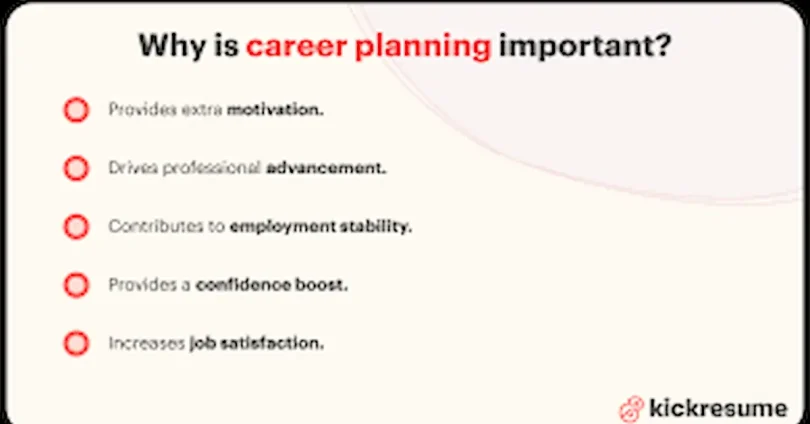
Why is career path planning important?
Career Path Planning is important because it provides clarity, focus, and direction. It helps you:
Identify the right career opportunities.
Set achievable goals.
Avoid career mistakes.
Improve job satisfaction and growth potential.
When should I start planning my career path?
It’s never too early to start planning. Students can begin exploring their interests, skills, and potential careers while still in school. Professionals can also reassess their goals, explore new opportunities, or make a career change at any stage of life.
What if my interests change over time?
Career Path Planning is flexible. Your interests, skills, and goals may evolve over time, and that’s normal. Regularly reviewing your plan, learning new skills, and adapting to changes ensures that your career path remains aligned with your evolving aspirations.
Do I need a mentor for career path planning?
While not mandatory, having a mentor can be very helpful. Mentors provide guidance, share their experiences, and help you navigate challenges. However, self-assessment, research, goal setting, and practical experience are also effective ways to plan your career.
Conclusion
Career Path Planning is more than just choosing a job—it’s about shaping your professional future with purpose, clarity, and direction. By understanding your interests, identifying your strengths and skills, setting clear goals, exploring career options, and staying adaptable, you create a roadmap that guides your decisions and actions.
A well-planned career path increases your chances of success, boosts motivation, and helps you make confident choices. It also reduces wasted time, effort, and frustration while opening doors to growth, learning, and long-term satisfaction.
Remember, career path planning is an ongoing process. As industries evolve and your personal interests change, your plan should adapt too. Embrace lifelong learning, seek guidance when needed, and stay flexible to navigate challenges and opportunities effectively.