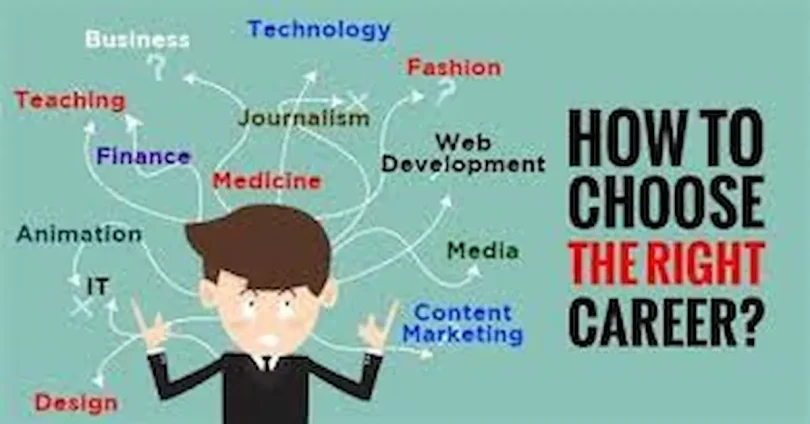

How to choose the right career path is a question that almost everyone faces at some point in life. Your career decision is more than just about earning money—it plays a huge role in your happiness, personal growth, and future opportunities. With so many options available, it’s normal to feel confused about which direction to take.
The good news is that by reflecting on your interests, recognizing your strengths, and exploring different opportunities, you can make a smart and confident choice. Taking the time to plan your career path carefully will help you find a direction that suits your goals and lifestyle.
Understand Your Interests and Passions
When thinking about how to choose the right career path, the most important step is to understand your interests and passions. A career becomes meaningful when it connects with what you love to do. If you choose something only for money or because others expect it, you may end up feeling stressed and unmotivated in the long run.
Why Interests Matter
Your interests play a big role in keeping you engaged in your work. When you enjoy your daily tasks, you naturally perform better and feel more satisfied. On the other hand, choosing a career that doesn’t match your interests can make even a high-paying job feel draining.
Questions to Ask Yourself
To discover your true passions, take some time for self-reflection. Ask yourself:
- Which subjects or activities make me feel excited and energized?
- Do I enjoy working with numbers, people, creativity, or technology?
- Which hobbies or talents could be turned into a professional career?
Turning Passions into Careers
Sometimes, what you love doing in your free time can become a great career option. For example:
- If you enjoy drawing or designing, careers like graphic design, interior design, or animation might be perfect.
- If you love helping people, fields like teaching, nursing, or social work may suit you.
- If you are passionate about technology, careers in software development or IT could be ideal.
The Key to Long-Term Success
When your career aligns with your passions, success comes more naturally. You stay motivated, learn faster, and handle challenges better because you care about the work you’re doing.
Evaluate Your Strengths and Skills
When thinking about how to choose the right career path, it’s essential to not only focus on your interests but also evaluate your strengths and skills. Knowing what you’re naturally good at gives you a significant advantage and ensures that your career is both enjoyable and successful.
Why Understanding Your Strengths Matters
Your strengths determine how easily you can excel in certain careers. Choosing a path that aligns with your natural abilities makes work feel easier and more rewarding. For instance, someone who is highly analytical may thrive in finance, engineering, or research roles, while a person with strong interpersonal skills might succeed in teaching, counseling, or sales.
Identify Your Skills and Talents
Start by making a comprehensive list of your skills. Skills are usually divided into two categories:
- Hard Skills – These are measurable abilities that can be taught or acquired, such as coding, graphic design, accounting, writing, or data analysis. They are often specific to a job or industry.
- Soft Skills – These are personal attributes that influence how you work with others, such as communication, teamwork, leadership, time management, adaptability, and problem-solving.
Both hard and soft skills are crucial for career growth. A combination of technical expertise and interpersonal abilities makes you more versatile and employable.
Assess Yourself Using Tools and Tests
If you’re unsure of your strengths, career assessments and personality tests can provide valuable guidance. Some useful tools include:
- Myers-Briggs Type Indicator (MBTI) – Understand your personality type and suitable career environments.
- StrengthsFinder – Discover your top natural strengths and talents.
- Holland Code (RIASEC) Test – Match your interests and skills with compatible career fields.
These tests help you identify potential paths you may not have considered before.
Matching Skills to Career Options
After identifying your strengths, think about careers that make the most of those abilities:
- Strong analytical and logical skills → Data analyst, engineer, financial analyst, or scientist.
- Strong creativity → Graphic designer, writer, marketer, or architect.
- Strong communication → Teacher, counselor, lawyer, or public relations specialist.
- Strong leadership → Manager, entrepreneur, or project coordinator.
Improving and Developing Skills
Even if you don’t currently possess all the skills required for your ideal career, you can acquire them over time. Ways to build skills include:
- Online courses and certifications (Coursera, Udemy, LinkedIn Learning)
- Workshops, seminars, or short-term training programs
- Internships, part-time jobs, or volunteer work to gain practical experience
Developing new skills shows employers your commitment and can open doors to higher-paying and more fulfilling career opportunities.
Self-Reflection and Continuous Assessment
Evaluating your strengths isn’t a one-time task. As you grow and gain experience, your skills and interests may evolve. Regularly reflect on what you do well and what you enjoy. This self-awareness helps you stay on track and adjust your career path whenever necessary.
Research Career Options
When thinking about how to choose the right career path, researching career options is a crucial step. Understanding the variety of opportunities available helps you make informed decisions and ensures that the career you choose aligns with your skills, interests, and long-term goals.
Explore Different Industries and Fields
Start by exploring industries that match your interests. For example:
- If you love technology → consider software development, cybersecurity, AI, or IT support.
- If you enjoy helping people → healthcare, teaching, counseling, or social work could be ideal.
- If you are creative → look into marketing, graphic design, content creation, or fashion.
- If you are analytical → finance, accounting, research, or data science may suit you.
Within each industry, research specific roles to understand daily responsibilities, required skills, and growth potential. This allows you to find the best fit for your personality and strengths.
Understand Job Requirements
Each career has its own set of requirements. Knowing these early can save time and help you plan your path effectively:
- Education: Some careers require degrees (e.g., engineering, law, medicine).
- Certifications: Certain fields need certifications (e.g., digital marketing, IT, project management).
- Experience: Internships, part-time jobs, or volunteer work may be necessary to gain practical skills.
Make a clear roadmap of what’s needed to enter your chosen field and set realistic steps to achieve it.
Evaluate Salary and Growth Opportunities
Salary is an important factor, but it shouldn’t be the only consideration. Check:
- The average salary range for entry-level, mid-level, and senior positions.
- Growth opportunities and career progression in the field.
- Stability and demand of the industry in the coming years.
For instance, tech and healthcare fields often have higher growth potential, while some industries may have limited advancement opportunities.
Consider Work-Life Balance and Job Satisfaction
Every career comes with its own demands. Ask yourself:
- Does this career require long working hours or frequent travel?
- Can I maintain a healthy work-life balance in this field?
- Does this career align with my lifestyle and personal goals?
Choosing a career that fits your lifestyle is as important as salary or growth. A well-balanced career keeps you motivated and reduces burnout.
Gather Reliable Information
Use multiple sources to get accurate and detailed information about career options:
- Career websites: LinkedIn, Glassdoor, Indeed, PayScale
- Industry reports: Government job outlook data or industry-specific publications
- Mentors and professionals: Talk to people working in your field to get real-world insights
- Workshops and webinars: Attend online or in-person events to learn more about specific careers
Shortlist and Compare Careers
After researching, create a shortlist of 3–5 career options that match your skills, interests, and lifestyle preferences. Compare them based on:
- Salary and growth potential
- Job responsibilities and daily tasks
- Required qualifications and skills
- Work-life balance and personal satisfaction
This comparison helps you narrow down your choices and focus on careers that are realistic, rewarding, and aligned with your long-term goals.
Test Careers Through Experience
Sometimes, research alone isn’t enough. Try internships, part-time work, freelancing, or volunteering to get hands-on experience. Practical exposure allows you to understand the work environment, challenges, and whether the career truly suits you before making a full commitment.
Set Career Goals
After researching career options, the next critical step in how to choose the right career path is setting clear and actionable career goals. Goals give your career direction, help you make informed decisions, and keep you motivated to reach your professional aspirations. Without goals, it’s easy to feel lost or unsure about the next steps.
Why Career Goals Are Essential
Career goals serve as a roadmap for your professional journey. They help you:
- Stay focused on opportunities that align with your strengths and interests
- Avoid wasting time on jobs or tasks that don’t contribute to your growth
- Track your progress and celebrate achievements along the way
- Make strategic decisions about education, skills, and experience
- Build confidence and a sense of purpose in your career
Types of Career Goals
- Short-Term Goals
Short-term goals are milestones you can achieve in the near future, typically within 6 months to 1 year. These goals help you gain experience, develop skills, and move closer to your long-term objectives. Examples include:
- Completing a professional course or certification relevant to your career
- Securing an internship, apprenticeship, or entry-level job
- Improving soft skills like communication, leadership, or teamwork
- Building a professional portfolio or updating your resume
- Networking with industry professionals to learn more about the field
- Long-Term Goals
Long-term goals are your broader career aspirations, usually achievable over several years. These goals guide major decisions in your career path and shape your overall professional growth. Examples include:
- Becoming a senior specialist, team leader, or manager in your field
- Starting your own business or entrepreneurial venture
- Pursuing advanced education such as a master’s degree or professional certification
- Achieving a specific salary range or leadership position
- Developing a professional reputation or personal brand in your industry
How to Set Effective Career Goals
Use the SMART goal framework to make your career goals actionable and realistic:
- Specific → Clearly define exactly what you want to achieve
- Measurable → Include measurable milestones to track progress
- Achievable → Ensure the goals are realistic based on your skills and resources
- Relevant → Align goals with your long-term career aspirations and interests
- Time-bound → Set deadlines to maintain focus and motivation
For example, instead of saying, “I want to be a software developer,” a SMART goal would be: “I will complete a Python programming course and build three small projects within six months to qualify for an entry-level developer position.”
Break Goals Into Actionable Steps
Turning goals into smaller steps makes them easier to achieve. For instance, if your goal is to become a marketing manager:
- Step 1: Complete a digital marketing course
- Step 2: Gain practical experience through internships or volunteer projects
- Step 3: Build a professional portfolio showcasing your campaigns
- Step 4: Apply for entry-level marketing positions and track applications
- Step 5: Continuously update skills and seek promotions
Breaking goals into actionable steps prevents overwhelm and gives you a clear path forward.
Regularly Review and Adjust Goals
Career planning is an ongoing process. As you gain experience, learn new skills, and discover more about your interests, it’s important to regularly review and adjust your goals. This ensures your career path remains aligned with your evolving priorities and opportunities.
Stay Motivated and Accountable
Achieving career goals requires commitment, persistence, and a positive mindset. Keep yourself motivated by:
- Tracking progress and celebrating small wins
- Surrounding yourself with supportive mentors, peers, or friends
- Continuously learning and staying updated in your field
- Staying adaptable and ready to adjust your path when needed
By setting clear, actionable, and realistic career goals, you create a roadmap for success that keeps you focused, motivated, and confident in your journey.
Seek Guidance and Advice
When learning how to choose the right career path, seeking guidance is a key step that can save you time, help you make informed decisions, and give you confidence in your choices. While self-reflection and research are important, guidance from experienced professionals provides real-world insights that books or websites often cannot.
The Importance of Mentors
Mentors are experienced individuals who have already navigated the career path you’re interested in. They can provide advice, share practical knowledge, and guide you through challenges. Mentors help you:
- Understand what daily work in a career really looks like
- Identify essential skills and qualifications for success
- Avoid common mistakes early in your career
- Explore hidden opportunities and networks
For example, if you want to become a data analyst, a mentor working in data analytics can guide you on which tools to learn first, suggest real-world projects to practice on, and give tips on how to stand out to employers.
Career Counselors and Professional Advisors
Career counselors are trained to help individuals understand their skills, strengths, and interests, and match them with suitable careers. They often provide structured assessments and guidance to help you:
- Discover potential career paths you may not have considered
- Decide which courses or certifications are most valuable
- Develop a step-by-step career plan
- Learn how to approach job searches and interviews
Networking with Professionals
Networking is a powerful way to gather first-hand information about a career. Talk to people working in the industry, attend career fairs, or join professional groups. Questions you can ask include:
- What does a typical day look like in this role?
- What challenges do you face, and how do you overcome them?
- Which skills are most important for success?
- How did you start, and what helped you progress in your career?
These conversations give you realistic expectations and can help you avoid choosing a career that doesn’t match your goals or lifestyle.
Utilize Online Resources and Communities
Online resources are excellent for career guidance, especially if you don’t have immediate access to mentors or professionals in your area. Useful platforms include:
- LinkedIn – Connect with professionals, follow companies, and join industry-specific groups
- Reddit career communities – Ask questions, read experiences, and learn from others in your field
- Webinars, online workshops, and YouTube – Learn industry trends, skills, and insights from experts
Informational Interviews
An informational interview is a short conversation with someone in your desired field. Unlike a job interview, its goal is to learn, not to apply for a job. Questions to ask include:
- What do you enjoy most about your job?
- What are the biggest challenges in this career?
- What skills or experiences helped you succeed?
- How do you see the industry evolving in the next few years?
This approach gives you insider knowledge and can also help build a professional network.
Combine Guidance With Your Own Research
While guidance is valuable, it’s important to combine advice with your own research. This ensures that your decisions are:
- Based on real-world insights and practical information
- Aligned with your personal interests, skills, and lifestyle
- Flexible enough to adapt to changes in your goals or industry trends
Benefits of Seeking Guidance
Seeking guidance throughout your career planning process provides multiple advantages:
- Helps you avoid costly mistakes in choosing an unsuitable career path
- Opens doors to opportunities you may not have discovered alone
- Builds confidence in your decisions
- Expands your professional network early, which can be invaluable in job hunting and career growth
Tips for Finding Guidance
- Look for mentors in your school, university, or workplace
- Join professional associations or clubs in your field of interest
- Attend career fairs and networking events
- Reach out to professionals on LinkedIn with polite, clear requests for advice
- Don’t hesitate to seek multiple perspectives to get a well-rounded view
Seeking guidance and advice is not just about getting help—it’s about learning from experience, making informed decisions, and gaining the confidence to choose a career path that truly suits you.
you may also like to read these posts;
Why Smart Learning is Effective: Boost Your Skills Fast
Top Smart Learning Strategies to Study Better in 2025
Smart Learning vs Traditional Learning: Key Differences
Types of Career Paths for Students: A Complete Guide
Gain Practical Experience
When learning how to choose the right career path, gaining practical experience is one of the most crucial steps. While research, guidance, and planning are important, hands-on experience gives you real insight into the day-to-day realities of a career. It allows you to test your interests, develop skills, and make confident decisions about your professional journey.
Why Practical Experience Matters
Practical experience bridges the gap between theory and real-world application. It helps you:
- Understand the responsibilities and challenges of a career how to choose the right career path
- Develop technical and soft skills that are highly valued by employers how to choose the right career path
- Determine if a career truly aligns with your interests and strengths how to choose the right career path
- Build confidence and credibility in professional settings how to choose the right career path
For instance, a student interested in journalism might think they enjoy writing, but only by interning at a newspaper or creating content for a blog do they realize whether the field matches their expectations. how to choose the right career path
Types of Practical Experience
- Internships
Internships offer structured, hands-on exposure to your chosen field. Benefits include:
- Learning industry-specific tools, software, and practices how to choose the right career path
- Experiencing real workplace dynamics and professional expectations how to choose the right career path
- Building professional connections and mentorship opportunities how to choose the right career path
- Improving your resume and increasing employability how to choose the right career path
For example, an engineering student can join a summer internship to gain experience with CAD software and understand project workflows in real engineering projects.
- Part-Time Jobs
Even part-time work can provide valuable transferable skills. For example:
- Retail or customer service jobs teach communication, problem-solving, and teamwork how to choose the right career path
- Administrative roles develop organization, time management, and multitasking skills how to choose the right career path
These experiences may not directly relate to your dream career but help build essential workplace skills. how to choose the right career path
- Volunteering
Volunteering allows you to gain experience while contributing to a meaningful cause. Examples include:
- Teaching or mentoring youth → Prepares for education or counseling careers how to choose the right career path
- Healthcare volunteering → Insight into medical or caregiving professions how to choose the right career path
- Event planning for non-profits → Develops project management and organizational skills how to choose the right career path
Volunteering also enhances your resume and demonstrates initiative to potential employers. how to choose the right career path
- Freelancing and Independent Projects
Freelancing or personal projects are ideal for building practical skills, especially in creative, technical, or digital fields:
- Designing websites or apps for small clients → IT and software development how to choose the right career path
- Writing articles, creating videos, or managing social media → Marketing and content creation how to choose the right career path
- Conducting surveys or small research projects → Social sciences or data analysis how to choose the right career path
These projects allow you to create a portfolio, demonstrate expertise, and gain hands-on experience. how to choose the right career path
- Job Shadowing
Job shadowing involves observing professionals at work for a day or more. Benefits include:
- Understanding the realities of daily tasks how to choose the right career path
- Learning about workplace culture how to choose the right career path
- Gaining insight into challenges and expectations of a role how to choose the right career path
This is especially useful if you’re considering a career change or are unsure about your chosen field.
- Workshops, Bootcamps, and Short-Term Programs
Short-term programs allow you to quickly gain practical knowledge and experience. Examples include:
- Coding bootcamps for software development how to choose the right career path
- Marketing or digital media workshops how to choose the right career path
- Entrepreneurship or business management programs how to choose the right career path
These programs often include hands-on projects that simulate real-world scenarios. how to choose the right career path
Benefits of Practical Experience
Gaining hands-on experience helps you:
- Confirm whether a career is truly the right fit how to choose the right career path
- Develop skills that make you more competitive in the job market how to choose the right career path
- Build a professional network early in your career how to choose the right career path
- Improve confidence in your abilities and decision-making how to choose the right career path
Tips to Maximize Practical Experience
- Take initiative and volunteer for meaningful tasks how to choose the right career path
- Keep a detailed portfolio of your projects, achievements, and learnings how to choose the right career path
- Seek feedback from supervisors, mentors, or colleagues to improve how to choose the right career path
- Reflect regularly on what aspects you enjoy and which you find challenging how to choose the right career path
- Combine multiple experiences (internships, volunteering, personal projects) to get a well-rounded view of a career
Practical experience is the bridge between learning and working. It ensures that when you commit to a career path, you do so with confidence, relevant skills, and a realistic understanding of what the job entails. how to choose the right career path
Be Open to Change

When learning how to choose the right career path, it’s important to remember that your first choice may not always be your final one. Careers are not always linear, and being open to change is essential for long-term success and personal growth. Flexibility allows you to adapt to new opportunities, challenges, and evolving interests. how to choose the right career path
Why Being Open to Change Matters
The modern workplace is constantly evolving due to technology, industry trends, and global developments. A career that seems ideal today might look different in a few years. Being adaptable helps you:
- Take advantage of new opportunities
- Avoid feeling stuck in a career that doesn’t suit you
- Learn new skills and grow professionally
- Stay competitive in a changing job market
Recognize When Change Is Necessary
Sometimes, you may realize that a career path isn’t the right fit. Signs that it might be time to consider a change include:
- Lack of interest or motivation in your daily work
- Limited growth opportunities in your current role or industry
- High stress levels or burnout
- Mismatch between your skills and job requirements
Recognizing these signs early allows you to explore alternatives before investing too much time and effort.
Explore New Opportunities
Being open to change doesn’t mean giving up on your goals; it means exploring options that may better suit your evolving interests and strengths. For example:
- Switching from a general marketing role to a digital marketing specialization
- Moving from a corporate job to a freelance or entrepreneurial path
- Transitioning from engineering to project management if leadership suits your skills better
Embrace Lifelong Learning
Change often requires new skills. Embracing lifelong learning ensures you remain adaptable and prepared for career shifts. Consider:
- Taking online courses or certifications in emerging areas
- Attending workshops, webinars, or industry conferences
- Learning new technologies or tools relevant to your field
Lifelong learning keeps your career options open and strengthens your confidence in making changes.
Stay Positive and Open-Minded
Career changes can be intimidating, but staying positive and open-minded makes the process easier. Instead of fearing change, see it as an opportunity to grow, improve, and align your career with your true interests and goals.
Practical Tips to Embrace Career Change
- Regularly review your career goals and assess if they still align with your interests
- Seek advice from mentors, career counselors, or professionals in new fields
- Start small: explore new opportunities through part-time work, projects, or volunteering before making a full change
- Be patient: career transitions take time, effort, and planning
Being open to change ensures that your career evolves with you. It allows you to pursue opportunities that match your growing skills, experiences, and passions, leading to long-term fulfillment and success.
What if I choose the wrong career path?
Choosing the wrong career path is not the end of the world. Many people change careers multiple times in their life. The key is to reflect on what isn’t working, gain new skills, and explore alternatives that align better with your interests and strengths. Practical experience and mentorship can help you adjust your path confidently.
Can I change my career later in life?
Yes! Career changes are common at any stage of life. Continuous learning, gaining new skills, networking, and seeking guidance from mentors or career counselors make transitions smoother. Being open to change allows you to find a career that suits your evolving goals and lifestyle.
How do I know if a career is right for me?
A career is right if it aligns with your interests, utilizes your strengths, provides growth opportunities, and fits your desired lifestyle. Practical experience, internships, job shadowing, and mentorship can help you evaluate whether a career is a good fit before fully committing.
Should I choose a career based only on salary?
Salary is important, but it should not be the sole factor in choosing a career. A high-paying job that doesn’t match your interests or skills can lead to stress and burnout. Consider factors like job satisfaction, growth potential, work-life balance, and personal fulfillment alongside salary.
How do I explore different career options effectively?
To explore career options effectively:
Conduct thorough research on industries and roles
Talk to professionals in the field through networking or informational interviews
Use career assessments to understand your strengths and interests
Gain practical experience through internships, volunteering, or personal projects
Conclusion
Choosing the right career path is one of the most important decisions you will make in life. It affects not only your financial future but also your personal growth, happiness, and overall lifestyle. By understanding your interests, evaluating your strengths and skills, researching career options, setting clear goals, seeking guidance, and gaining practical experience, you can make a confident and informed choice.
Remember, your career path doesn’t have to be set in stone. Being open to change, continuously learning, and adapting to new opportunities ensures long-term success and satisfaction. Take your time, explore your options, and choose a path that aligns with your passions, skills, and goals. The effort you put into planning your career now will pay off with a fulfilling and rewarding professional journey.