Essential life skills are the abilities that help us handle everyday challenges and succeed in personal and professional life. These skills are not usually taught in classrooms but are learned through experience, practice, and guidance. Developing essential life skills improves how we communicate, make decisions, manage time, handle stress, and build meaningful relationships.
Learning these skills is important for everyone—students preparing for the future, professionals aiming for career growth, or anyone looking to lead a balanced and fulfilling life. By focusing on essential life skills, we become more confident, independent, and capable of handling life’s challenges effectively.
In this article, we will explore the different types of essential life skills that can help you grow personally and professionally.
What Are Life Skills?
Essential life skills are practical abilities that help individuals navigate everyday challenges, make better decisions, and achieve personal and professional success. They go beyond academic knowledge and focus on real-world competencies like problem-solving, communication, and emotional management.
Importance of Life Skills
Life skills are important because they help people:
- Handle personal and professional challenges confidently.
- Build healthy relationships with family, friends, and colleagues.
- Make informed decisions and solve problems effectively.
- Manage stress, time, and resources efficiently.
Simple Explanation
In simple terms, life skills are the tools we use to live effectively, adapt to changes, and lead a balanced, fulfilling life. Developing these skills early can have a long-lasting positive impact on personal growth, confidence, and overall success.
Communication Skills
Essential life skills include strong communication skills, which are vital for building relationships, succeeding in personal and professional life, and expressing ideas effectively. Communication is not just about speaking; it’s about understanding, connecting, and ensuring your message is clear.
Verbal Communication
Verbal communication is the ability to convey ideas, thoughts, and information clearly using words. Good verbal communication includes:
- Speaking confidently and politely.
- Choosing the right words for your audience.
- Explaining ideas in a simple and understandable way.
For example, explaining a project clearly to a teammate or expressing your needs to family members requires strong verbal skills. Practicing public speaking or even daily conversations can improve verbal communication.
Non-Verbal Communication
Non-verbal communication refers to body language, gestures, facial expressions, posture, and eye contact. It plays a major role because often, what we communicate without words can be more powerful than words themselves.
For instance:
- Maintaining eye contact shows confidence and honesty.
- Smiling or nodding shows attentiveness and understanding.
- Avoiding crossed arms or fidgeting conveys openness and engagement.
Being aware of your body language can help you communicate more effectively and create a positive impression.
Active Listening
Active listening is the practice of fully focusing on the speaker, understanding their message, and responding thoughtfully. It’s a key part of effective communication because it helps build trust and avoid misunderstandings.
Tips for active listening include:
- Avoid interrupting while someone is speaking.
- Summarize or repeat key points to show understanding.
- Ask clarifying questions if something is unclear.
For example, listening carefully to a friend’s problem and responding with empathy shows respect and strengthens relationships.
Why Communication Skills Matter
Strong communication skills:
- Improve relationships with family, friends, and colleagues.
- Help in resolving conflicts calmly and effectively.
- Enhance teamwork and collaboration in professional settings.
- Boost confidence in public speaking and social interactions.
Mastering communication skills takes practice, observation, and a willingness to learn. By improving this essential life skill, you can express yourself clearly, understand others better, and navigate life’s challenges more effectively.
Critical Thinking and Problem-Solving Skills
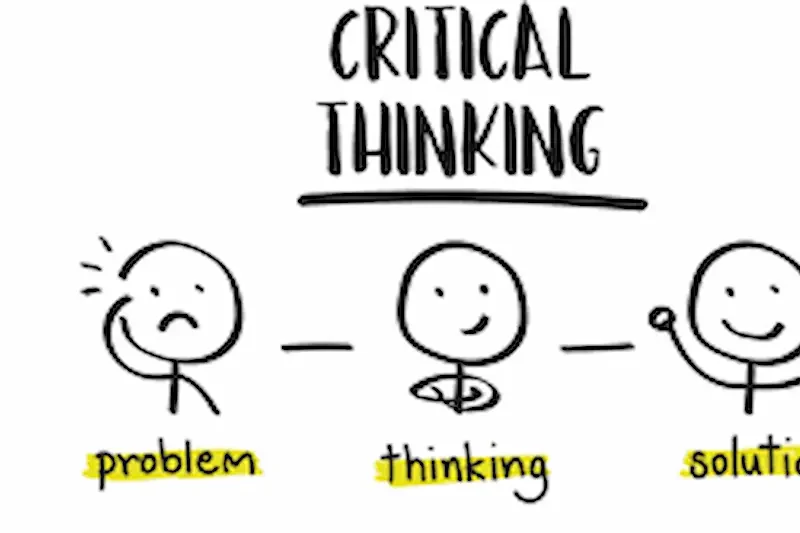
Essential life skills include critical thinking and problem-solving, which are crucial for making informed decisions, overcoming challenges, and achieving success in both personal and professional life. These skills help you approach situations logically, creatively, and effectively.
What Is Critical Thinking?
Critical thinking is the ability to carefully analyze information, evaluate different perspectives, and make reasoned decisions. It means questioning assumptions instead of accepting things at face value.
For example:
- Before buying a product, you research its features, compare it with alternatives, and check reviews to make the best choice.
- At work or school, you assess a situation, consider possible outcomes, and make recommendations based on evidence rather than guesswork.
Practicing critical thinking helps you avoid impulsive decisions, reduces mistakes, and strengthens problem-solving abilities.
Steps to Effective Problem-Solving
Problem-solving involves identifying challenges, creating solutions, and taking action. Here’s a structured approach:
- Identify the Problem: Clearly define what the problem is. Understanding it fully is the first step toward solving it.
- Analyze the Causes: Determine why the problem occurred. Look at the factors contributing to it.
- Generate Solutions: Brainstorm multiple solutions, even unconventional ones, to increase options.
- Evaluate Options: Consider pros, cons, risks, and benefits of each solution.
- Implement the Solution: Take action on the best possible solution.
- Review and Learn: Assess the outcome and learn from the experience for future problems.
For example: If a school project is behind schedule, you can break it into smaller tasks, delegate responsibilities, and set new deadlines to complete it successfully.
Decision-Making
Decision-making is a part of problem-solving. It involves choosing the most suitable option after careful evaluation. Good decision-making requires logic, patience, and consideration of consequences.
Examples include:
- Choosing a career path by considering interests, skills, and long-term goals.
- Managing personal finances by deciding between saving, investing, or spending wisely.
- Planning daily schedules to balance study, work, and leisure efficiently.
Tips to Improve Critical Thinking and Problem-Solving
- Ask questions and don’t accept things blindly.
- Break problems into smaller, manageable parts.
- Consider multiple perspectives before concluding.
- Learn from past mistakes to improve future decisions.
- Practice brainstorming creative solutions regularly.
Why These Skills Matter
- Help you tackle personal and professional challenges confidently.
- Enhance logical reasoning and analytical thinking.
- Encourage creativity and innovation in finding solutions.
- Reduce stress by providing clear steps to handle problems.
- Build independence and self-confidence in decision-making.
By developing critical thinking and problem-solving skills, you gain the ability to approach any situation with clarity, confidence, and practical solutions, making life easier and more manageable.
you may also like to read these posts;
Types of Smart Learning Methods for Modern Education
How to Apply Smart Learning in Daily Study for Better Results
Why Smart Learning is Effective: Boost Your Skills Fast
Top Smart Learning Strategies to Study Better in 2025
Smart Learning vs Traditional Learning: Key Differences
Emotional Intelligence
Essential life skills also include emotional intelligence, which is the ability to understand, manage, and express your emotions effectively while also recognizing and empathizing with the emotions of others. Emotional intelligence is vital for building strong relationships, reducing stress, and succeeding in personal and professional life.
What Is Emotional Intelligence?
Emotional intelligence (EI) involves being aware of your emotions, controlling your reactions, and understanding the feelings of people around you. It allows you to respond thoughtfully rather than react impulsively.
For example: Staying calm during a disagreement at work or comforting a friend going through a tough time demonstrates emotional intelligence in action.
Self-Awareness
Self-awareness is the ability to recognize your own emotions, thoughts, and behaviors. Understanding your emotional triggers helps you respond better in different situations.
Tips to improve self-awareness:
- Keep a journal of your daily emotions and reactions.
- Reflect on situations where you felt stressed or happy.
- Identify patterns in your behavior and responses.
For example: Noticing that you get anxious before presentations can help you prepare strategies to stay calm.
Self-Regulation
Self-regulation is controlling impulses and managing emotions in a constructive way. It prevents negative reactions and promotes thoughtful decision-making.
Tips for self-regulation:
- Practice deep breathing or mindfulness techniques.
- Pause before reacting to stressful situations.
- Set personal goals for emotional improvement.
For example: Instead of losing your temper in traffic, you take a few deep breaths and remain calm.
Empathy
Empathy is the ability to understand and share the feelings of others. It helps build trust, improve communication, and strengthen relationships.
Ways to practice empathy:
- Listen actively and attentively to others.
- Try to see situations from another person’s perspective.
- Offer support and encouragement when someone is struggling.
For example: A manager showing understanding and support to a stressed employee demonstrates empathy.
Social Skills
Social skills are part of emotional intelligence and include the ability to communicate effectively, resolve conflicts, and build positive relationships. Strong social skills help you collaborate better in teams and create a supportive environment.
Examples include:
- Networking effectively with colleagues and peers.
- Negotiating solutions during disagreements calmly.
- Encouraging team members and maintaining a positive atmosphere.
Why Emotional Intelligence Matters
- Helps manage stress and maintain mental well-being.
- Builds stronger and healthier relationships.
- Enhances decision-making by balancing logic and emotions.
- Improves teamwork, leadership, and social interactions.
- Increases self-confidence and resilience.
By developing emotional intelligence, you can navigate life with greater understanding, patience, and compassion, making it easier to handle challenges and connect meaningfully with others.
Time Management Skills
Essential life skills include time management, which is the ability to plan, organize, and control how you spend your time to achieve goals efficiently. Proper time management reduces stress, increases productivity, and ensures a healthy balance between work, study, and personal life.
What Is Time Management?
Time management is not just about keeping a schedule—it’s about using your time wisely to complete important tasks while leaving space for rest and personal growth. It involves planning ahead, prioritizing activities, and avoiding distractions.
For example: A student who plans study sessions, completes assignments on time, and still finds time for hobbies is practicing excellent time management.
Planning Your Time
Planning is the foundation of good time management. It helps you know what needs to be done and prevents last-minute rushes.
Tips for effective planning:
- Create a daily, weekly, or monthly schedule.
- Break large tasks into smaller, manageable steps.
- Set realistic deadlines for each task.
- Review your plan regularly and adjust when necessary.
Example: Before exams, planning a study schedule for each subject ensures all topics are covered without cramming at the last moment.
Staying Organized
Organization helps you save time and reduces confusion, making tasks easier to complete.
Ways to stay organized:
- Use to-do lists, planners, or digital apps to track tasks.
- Keep your workspace clean and clutter-free.
- Store important documents and notes systematically.
- Group similar tasks together to complete them efficiently.
Example: A tidy desk with organized study notes allows you to find materials quickly and stay focused.
Prioritizing Tasks
Prioritization ensures that critical tasks are completed first and prevents wasting time on less important activities.
Tips for prioritization:
- Distinguish between urgent and important tasks.
- Focus on tasks with high impact on your goals.
- Learn to delegate or postpone low-priority activities.
- Avoid multitasking on too many unrelated tasks at once.
Example: Completing an urgent client report before attending a casual meeting is an example of proper prioritization.
Time Management Techniques
- Pomodoro Technique: Work in focused intervals of 25-30 minutes with short breaks in between.
- Time Blocking: Allocate specific hours to different tasks or activities to stay on track.
- Task Batching: Group similar tasks, like replying to emails or making calls, to improve efficiency.
- Avoiding Procrastination: Break tasks into smaller steps and start immediately rather than delaying.
Benefits of Effective Time Management
- Improves productivity and helps complete tasks faster.
- Reduces stress and prevents feeling overwhelmed.
- Creates time for personal growth, hobbies, and relaxation.
- Helps achieve long-term goals more efficiently.
- Encourages discipline and better decision-making.
By practicing and improving time management skills, you can take control of your day, accomplish more with less stress, and enjoy a balanced and fulfilling life.
Financial Literacy
Essential life skills include financial literacy, which is the ability to understand, manage, and grow your money effectively. Financial literacy empowers individuals to make smart financial decisions, plan for the future, and achieve financial stability and independence.
What Is Financial Literacy?
Financial literacy goes beyond earning money—it involves knowing how to budget, save, invest, and manage debts responsibly. Individuals with strong financial literacy can make informed financial decisions, avoid unnecessary risks, and plan for long-term goals.
For example: A student who tracks expenses, saves a portion of pocket money, and avoids unnecessary spending demonstrates good financial literacy. Similarly, a young professional who invests a part of their income for retirement shows long-term financial planning.
Budgeting
Budgeting is the practice of planning how to use your income wisely. A well-structured budget ensures that essential expenses are met while leaving room for savings, leisure, and emergencies.
Tips for effective budgeting:
- Keep track of all income and expenses regularly.
- Categorize expenses into essentials (needs) and non-essentials (wants).
- Set monthly spending limits for different categories.
- Review and adjust the budget to match changing financial needs.
Example: Allocating money for groceries, transportation, savings, and entertainment ensures you stay on track financially and avoid overspending.
Saving and Investing
Saving is the act of setting aside money for future needs, while investing is putting money to work to earn more over time. Both are essential for financial growth and security.
Tips for saving and investing:
- Set short-term goals (like buying a gadget) and long-term goals (like higher education or retirement).
- Maintain an emergency fund to cover unexpected expenses.
- Learn about safe investment options such as savings accounts, mutual funds, or bonds.
- Start saving and investing early to benefit from the power of compounding.
Example: A student saving a small portion of their allowance each month can accumulate a significant amount over time, which could be used for higher studies or starting a small business.
Debt Management
Debt management is the ability to borrow responsibly and repay loans on time. Mismanaging debt can lead to financial stress and damage your credit history.
Tips for managing debt:
- Borrow only what you truly need and can repay comfortably.
- Prioritize paying off high-interest loans first.
- Avoid unnecessary credit card spending.
- Keep track of repayment schedules to avoid penalties and late fees.
Example: A young professional managing a student loan by paying monthly installments while still saving a portion of income demonstrates good debt management.
Understanding Financial Goals
Financial literacy also includes setting clear financial goals. Goals help you plan your spending, saving, and investing strategies effectively.
Tips for setting financial goals:
- Define short-term (0–1 year), medium-term (1–5 years), and long-term (5+ years) goals.
- Be realistic and specific about what you want to achieve.
- Regularly review and adjust goals based on progress.
Example: A short-term goal could be saving for a new laptop, while a long-term goal could be investing for a home or retirement fund.
Why Financial Literacy Matters
- Helps make informed financial decisions and avoid unnecessary losses.
- Reduces financial stress and increases confidence in managing money.
- Encourages regular saving and effective investment strategies.
- Prepares individuals for emergencies and unexpected expenses.
- Supports long-term financial growth, independence, and security.
By developing financial literacy, you not only gain control over your finances but also create a pathway toward achieving personal goals, building wealth, and ensuring a stable, stress-free future.
Interpersonal Skills
Essential life skills include interpersonal skills, which are the abilities that help you interact effectively and harmoniously with others. These skills are crucial for building relationships, collaborating with teams, and succeeding in both personal and professional environments.
What Are Interpersonal Skills?
Interpersonal skills involve communication, empathy, teamwork, and conflict resolution. They enable you to connect with others, understand their perspectives, and create positive interactions.
For example: A student working successfully in a group project demonstrates strong interpersonal skills by listening to teammates, sharing ideas, and respecting others’ opinions.
Teamwork
Teamwork is the ability to collaborate with others to achieve a common goal. It requires cooperation, communication, and respect for different viewpoints.
Tips to improve teamwork:
- Listen actively to your team members.
- Share ideas openly while respecting others’ contributions.
- Support and motivate teammates when needed.
- Be flexible and willing to compromise for the team’s success.
Example: A work team completing a project efficiently by dividing tasks based on each member’s strengths shows effective teamwork.
Conflict Resolution
Conflict resolution is the ability to handle disagreements calmly and constructively. It ensures that conflicts do not escalate and relationships remain strong.
Tips for effective conflict resolution:
- Stay calm and avoid reacting impulsively.
- Listen to all sides before forming an opinion.
- Focus on finding a solution rather than blaming others.
- Communicate clearly and respectfully.
Example: Resolving a misunderstanding between colleagues by discussing the issue openly and agreeing on a solution demonstrates strong conflict resolution skills.
Empathy and Understanding
Empathy is the ability to understand and share the feelings of others. It helps build trust, improve communication, and create stronger relationships.
Tips to practice empathy:
- Pay attention to others’ emotions and body language.
- Ask questions to understand their perspective.
- Offer support and encouragement when needed.
Example: Comforting a friend who is going through a difficult time or congratulating a colleague on their success shows empathy in action.
Networking
Networking is the ability to build and maintain professional and personal connections. Strong networking skills can open opportunities for growth, collaboration, and learning.
Tips for effective networking:
- Attend events, workshops, or social gatherings to meet new people.
- Maintain contact through messages or social media.
- Offer help and support to others when possible.
Example: A professional connecting with industry peers at a conference and following up later to exchange ideas demonstrates effective networking.
Why Interpersonal Skills Matter
- Improve teamwork, collaboration, and professional relationships. essential life skills
- Help resolve conflicts and prevent misunderstandings. essential life skills
- Enhance communication and social interactions. essential life skills
- Build trust, empathy, and stronger personal connections. essential life skills
- Increase confidence in social and professional settings. essential life skills
Self-Care and Stress Management
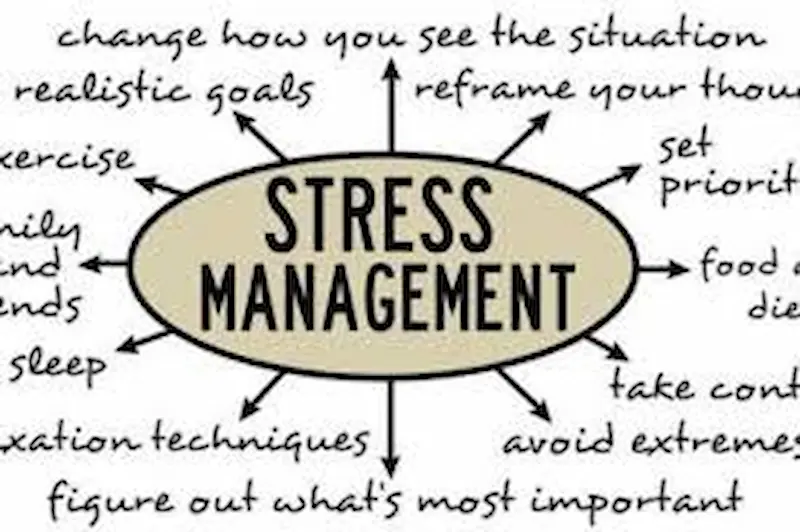
Essential life skills include self-care and stress management, which are vital for maintaining physical, mental, and emotional well-being. These skills help you stay healthy, focused, and resilient in the face of life’s challenges.
What Is Self-Care?
Self-care involves taking deliberate actions to maintain and improve your health and well-being. It includes physical, mental, and emotional practices that keep you balanced and energized. essential life skills
For example: A student taking regular breaks while studying, eating nutritious meals, and exercising demonstrates good self-care habits. essential life skills
Healthy Habits
Healthy habits are the foundation of self-care. They ensure that your body and mind function at their best.
Tips for building healthy habits:
- Maintain a balanced diet rich in nutrients. essential life skills
- Exercise regularly, even for 20–30 minutes a day. essential life skills
- Ensure sufficient sleep to rejuvenate the body and mind. essential life skills
- Limit screen time and engage in hobbies or outdoor activities. essential life skills
Example: Waking up early to exercise and eat a nutritious breakfast sets a positive tone for the day. essential life skills
Stress Management
Stress management involves identifying stressors and using techniques to reduce or cope with stress. Effective stress management improves mental health and prevents burnout. essential life skills
Tips for managing stress:
- Practice mindfulness, meditation, or deep breathing exercises. essential life skills
- Take short breaks during work or study to refresh your mind. essential life skills
- Prioritize tasks to avoid feeling overwhelmed. essential life skills
- Talk to friends, family, or mentors for support. essential life skills
Example: A professional feeling stressed about a deadline can take a short walk, practice deep breathing, and then return to work with better focus. essential life skills
Self-Motivation
Self-motivation is the ability to stay focused, driven, and committed to achieving your goals, even when facing challenges. It helps maintain productivity and resilience. essential life skills
Tips to boost self-motivation:
- Set clear, achievable goals and track progress. essential life skills
- Celebrate small victories to stay encouraged. essential life skills
- Surround yourself with positive influences and role models. essential life skills
Example: A student studying consistently every day to prepare for exams demonstrates strong self-motivation.
Why Self-Care and Stress Management Matter
- Maintains physical and mental health.
- Reduces stress and prevents burnout.
- Improves focus, productivity, and decision-making.
- Enhances emotional resilience and overall well-being.
- Encourages a balanced and fulfilling lifestyle.
What are examples of essential life skills?
Examples of essential life skills include communication, critical thinking, problem-solving, emotional intelligence, time management, financial literacy, interpersonal skills, and self-care. These skills help individuals handle daily challenges effectively.
Why are life skills important for students?
Life skills are important for students because they help in academic success, building relationships, managing stress, making informed decisions, and preparing for future challenges in personal and professional life.
Can life skills be learned at any age?
Yes, life skills can be learned and improved at any age. While learning them early can be advantageous, adults can also develop these skills through practice, training, mentorship, and experience.
How can I improve my life skills?
You can improve life skills by:
Practicing them daily in real-life situations.
Learning from role models, mentors, or workshops.
Reading books, taking online courses, and engaging in self-reflection.
Seeking feedback and making gradual improvements over time.
Which life skill is the most important?
All life skills are important, but communication, critical thinking, and emotional intelligence are often considered foundational. Mastering these can make it easier to develop other skills effectively.
Conclusion
Essential life skills are the abilities that help individuals navigate daily challenges, make informed decisions, and lead a balanced and fulfilling life. From communication and critical thinking to emotional intelligence, time management, financial literacy, interpersonal skills, and self-care, each skill plays a crucial role in personal and professional growth.
Developing these skills allows you to handle stress effectively, build stronger relationships, achieve goals efficiently, and become more independent and confident. The good news is that life skills can be learned and improved at any stage of life through practice, observation, and guidance.