How to develop life skills at school is a question every student and parent should consider. Life skills are essential abilities that help students face challenges, communicate effectively, make decisions, and build strong relationships. Learning these skills early prepares students for real-life situations and helps them become confident, responsible, and independent individuals.
School is not just a place for academic learning; it is also a space where students can practice life skills through daily activities, teamwork, and personal experiences. By learning to manage time, solve problems, and interact positively with others, students can gain abilities that will benefit them for a lifetime.
In this article, we will explore practical ways students can develop life skills at school and explain why these skills are so important for their future success.
Importance of Life Skills for Students
Life skills are essential for students because they help them handle challenges, make better decisions, and build meaningful relationships. Academic knowledge alone is not enough to succeed in life. Students need abilities like communication, problem-solving, and emotional intelligence to navigate both school and real-world situations.
1. Improves Communication Skills
Effective communication is one of the most important life skills. Students who can clearly express their ideas, listen actively, and interact respectfully with others are more likely to succeed in group projects, presentations, and social situations. Good communication also helps reduce misunderstandings and build stronger friendships.
2. Enhances Decision-Making Abilities
Life skills help students make thoughtful and responsible decisions. By learning to evaluate situations, consider consequences, and weigh different options, students become more confident in making choices that positively impact their academics, relationships, and personal growth.
3. Builds Problem-Solving Skills
Challenges are a natural part of life, and developing problem-solving skills equips students to handle them effectively. Students learn to think critically, analyze situations, and find creative solutions. This skill is valuable not only in school projects but also in day-to-day life challenges.
4. Boosts Confidence and Self-Esteem
Mastering life skills such as leadership, teamwork, and time management makes students more self-assured. When students see that they can handle responsibilities and overcome challenges, their confidence grows, which motivates them to take on new opportunities and achieve their goals.
5. Develops Emotional Intelligence
Emotional intelligence is the ability to recognize, understand, and manage one’s own emotions while empathizing with others. Students with high emotional intelligence can handle stress, communicate effectively, resolve conflicts, and build stronger relationships with peers and teachers.
6. Prepares for Future Success
Life skills are not limited to school life—they prepare students for adulthood and professional careers. Students who develop these abilities early are better equipped to face challenges, work in teams, manage responsibilities, and adapt to new environments, making them successful in every area of life.
Ways to Develop Life Skills at School

Developing life skills at school is an important part of growing into a confident and responsible individual. Schools provide students with countless opportunities to practice these skills in a safe and supportive environment. Here are some effective ways to build life skills while at school:
1. Participate in Group Activities
Group activities, such as school clubs, sports teams, and group projects, are excellent for developing teamwork and leadership skills. When students work with others, they learn to share ideas, listen to different opinions, and resolve disagreements in a positive way.
Example: Being part of a debate team can improve public speaking, while working on a science project in a team can enhance collaboration and problem-solving skills.
2. Practice Time Management
Managing multiple tasks is a skill students will use throughout their lives. Creating a daily schedule, prioritizing assignments, and setting realistic deadlines helps students use their time effectively.
Tip: Break larger tasks into smaller steps to avoid feeling overwhelmed and track progress using a planner or digital tools.
3. Enhance Communication Skills
Communication is key to success both in school and in life. Students should practice expressing their ideas clearly, listening attentively, and writing effectively. Participating in class discussions, giving presentations, or writing essays and reports can strengthen both verbal and written communication skills.
Example: A student who volunteers to present a class project learns how to speak confidently in front of an audience while organizing thoughts clearly.
4. Handle Challenges and Failures Positively
Learning to face setbacks and challenges is essential. Students should view mistakes as learning opportunities rather than failures. This approach helps build resilience, patience, and critical thinking.
Tip: Reflect on what went wrong, identify ways to improve, and try again with a positive attitude.
5. Take Responsibility
Taking responsibility for actions, assignments, and personal growth is an essential life skill. Completing homework on time, maintaining a clean and organized workspace, and being accountable for mistakes helps students develop self-discipline and reliability.
Example: A student leading a class project who ensures everyone completes their tasks on time demonstrates responsibility and leadership.
6. Develop Emotional Intelligence
Emotional intelligence includes recognizing and managing one’s emotions, understanding others’ feelings, and handling conflicts calmly. Schools can support emotional growth through activities like peer mentoring, group discussions, mindfulness exercises, or role-playing scenarios.
Benefit: Students with high emotional intelligence are better at forming friendships, resolving conflicts, and staying calm under pressure.
7. Seek Guidance and Mentorship
Teachers, school counselors, and senior students can provide valuable guidance. Seeking advice and feedback helps students learn from others’ experiences and make better decisions. Mentorship also encourages goal-setting, motivation, and personal growth.
Example: A student struggling with time management can learn effective planning strategies from a mentor, improving both academic performance and life skills.
8. Practice Critical Thinking
Critical thinking is the ability to analyze situations, evaluate options, and make informed decisions. Students can develop this skill by asking questions, solving complex problems, and exploring different perspectives.
Tip: Encourage curiosity—ask “why” and “how” questions during lessons, and try to find practical solutions to real-life problems.
9. Volunteer and Engage in Community Service
Participating in volunteer work or community service teaches empathy, social responsibility, and teamwork. Helping others provides real-life experience and a sense of purpose, while also improving interpersonal skills.
Example: Organizing a charity drive at school or helping younger students with tutoring builds leadership, planning, and communication skills.
10. Learn Financial and Practical Skills
Schools can provide opportunities for students to learn practical life skills such as budgeting, managing pocket money, or simple entrepreneurship. These skills prepare students for independence and real-world responsibilities.
Tip: Start small, like managing a class fundraiser or tracking personal expenses, to gradually build confidence and financial awareness.
you may also like to read these posts;
Why Smart Learning is Effective: Boost Your Skills Fast
Top Smart Learning Strategies to Study Better in 2025
Smart Learning vs Traditional Learning: Key Differences
Types of Career Paths for Students: A Complete Guide
Career Path Planning: How to Build a Successful Career
Role of Parents and Teachers
Parents and teachers are key guides in helping students develop life skills. While students learn a lot from school experiences, adult support ensures these lessons are reinforced and applied effectively.
1. Provide Opportunities for Leadership
Encourage students to take on leadership roles in school clubs, sports teams, or group projects. Leadership experiences teach responsibility, decision-making, and confidence. Even small responsibilities, like leading a classroom activity or organizing a team event, can have a lasting impact.
2. Encourage Extracurricular Activities
Sports, music, arts, debate, and volunteering provide real-life scenarios for students to develop teamwork, creativity, and problem-solving skills. Parents and teachers should motivate students to explore different activities to discover their strengths and interests.
3. Offer Guidance and Constructive Feedback
Regular guidance and feedback help students understand their progress and areas for improvement. Teachers can provide advice on handling academic challenges, while parents can reinforce these lessons at home. Constructive criticism should be paired with encouragement to build self-esteem.
4. Foster a Positive and Supportive Environment
Students thrive when they feel emotionally safe. Encouraging risk-taking, celebrating efforts rather than just results, and teaching coping strategies for failure help students learn life skills without fear. A positive environment nurtures resilience, empathy, and collaboration.
5. Model Life Skills
Parents and teachers should lead by example. Demonstrating effective communication, time management, problem-solving, and emotional regulation helps students learn by observing real-life applications of these skills.
Practical Examples of Developing Life Skills at School
Life skills can be practiced daily in simple ways. Here are some concrete examples:
- Time Management: Planning homework schedules, setting reminders for exams, and balancing studies with extracurricular activities.
- Communication Skills: Participating in class discussions, giving oral presentations, or writing clear and thoughtful assignments.
- Problem-Solving: Collaborating with classmates to complete a science project or resolving a conflict in a friendly manner.
- Emotional Intelligence: Supporting a classmate who is upset, listening actively, and managing stress during exams.
- Responsibility: Completing classroom chores, taking care of shared school resources, or leading a school event successfully.
- Critical Thinking: Asking insightful questions in class, evaluating different perspectives in debates, or finding creative solutions for project challenges.
- Teamwork: Working effectively in group assignments, sharing responsibilities, and respecting each team member’s ideas.
- Self-Discipline: Staying focused during lessons, limiting distractions while studying, and completing tasks without constant supervision.
These examples show that life skills are practical, not just theoretical. When practiced consistently, they prepare students for both school life and real-world situations.
Tips to Develop Life Skills at School
Developing life skills at school is easier when students follow practical strategies consistently. These tips will help students improve personal, social, and academic abilities while preparing for real-world challenges.
1. Set Clear and Achievable Goals
Setting goals gives direction and purpose. Students can start with small, achievable goals such as improving punctuality, finishing homework on time, or speaking confidently in class. Long-term goals, like developing leadership skills or joining a school competition, can guide overall growth.
Tip: Write down your goals and track progress regularly. Celebrate small achievements to stay motivated. life skills at school
2. Participate in Diverse Activities
Get involved in a variety of school activities like sports, clubs, debates, art, or community service. Each activity teaches different life skills: teamwork, leadership, creativity, and social responsibility. life skills at school
Example: Joining a drama club can improve confidence and public speaking, while volunteering teaches empathy and problem-solving. life skills at school
3. Practice Self-Discipline
Discipline is the foundation of life skills. Students should stick to schedules, complete homework on time, and manage distractions while studying. Consistent habits help develop responsibility and time management. life skills at school
Tip: Use planners, digital reminders, or a to-do list to stay organized and focused. life skills at school
4. Embrace Mistakes and Learn from Them
Mistakes are opportunities to learn. Students should reflect on failures, identify areas for improvement, and try again with a positive attitude. This builds resilience and adaptability.
Example: If a student performs poorly on a test, reviewing mistakes and preparing differently next time strengthens both skills and confidence.
5. Develop Effective Communication
Good communication helps students express ideas clearly and build relationships. Practice speaking in class, asking questions, presenting projects, and writing essays or reports. Listening attentively is just as important as speaking.
Tip: Join debates, group discussions, or storytelling sessions to enhance both verbal and non-verbal communication.
6. Seek Guidance and Mentorship
Mentors, teachers, and senior students provide advice, feedback, and inspiration. Seeking guidance helps students learn faster and avoid common mistakes. life skills at school
Example: A mentor can teach time management strategies or help solve conflicts in group activities. life skills at school
7. Build Emotional Intelligence
Understanding your emotions and empathizing with others is crucial. Students should practice patience, conflict resolution, and supporting peers in need. Emotional intelligence helps maintain healthy relationships and reduces stress.
Tip: Mindfulness exercises, journaling, or role-playing activities can help students recognize and manage emotions effectively.
8. Challenge Yourself Regularly
Step out of comfort zones by trying new activities, speaking in front of large groups, or taking responsibility in team projects. Challenges boost problem-solving skills, confidence, and decision-making abilities.
Example: Running for a class representative position teaches leadership, planning, and teamwork. life skills at school
9. Stay Curious and Practice Critical Thinking
Ask questions, explore new ideas, and think logically. Critical thinking helps students solve problems, make informed decisions, and develop independent thinking skills. life skills at school
Tip: Participate in science fairs, puzzles, or project-based learning activities to sharpen analytical skills. life skills at school
10. Maintain a Healthy Balance
Balancing academics, hobbies, sports, and social life ensures overall growth. Overworking can cause stress, while neglecting studies can impact learning. Balanced routines develop time management, self-discipline, and well-being. life skills at school
Tip: Allocate specific times for study, recreation, and hobbies. Consistent routines help maintain productivity and mental health.
11. Practice Teamwork and Collaboration
Working with peers on projects, assignments, or school events teaches cooperation, respect, and conflict resolution. Students learn to appreciate different perspectives and work effectively in groups. life skills at school
Example: Organizing a school event with classmates teaches planning, coordination, and leadership.
12. Learn Practical and Financial Skills
Students can practice budgeting, managing allowances, or organizing small fundraising events. These skills teach responsibility, decision-making, and independence.
Tip: Start with simple tasks like tracking expenses or planning a mini-event in school to gain confidence.
13. Reflect Regularly
Encourage self-reflection to understand personal strengths, weaknesses, and areas to improve. Reflection helps students track progress, set new goals, and continuously develop life skills.
Tip: Keep a daily or weekly journal noting achievements, challenges, and lessons learned.
Advantages of Developing Life Skills at School
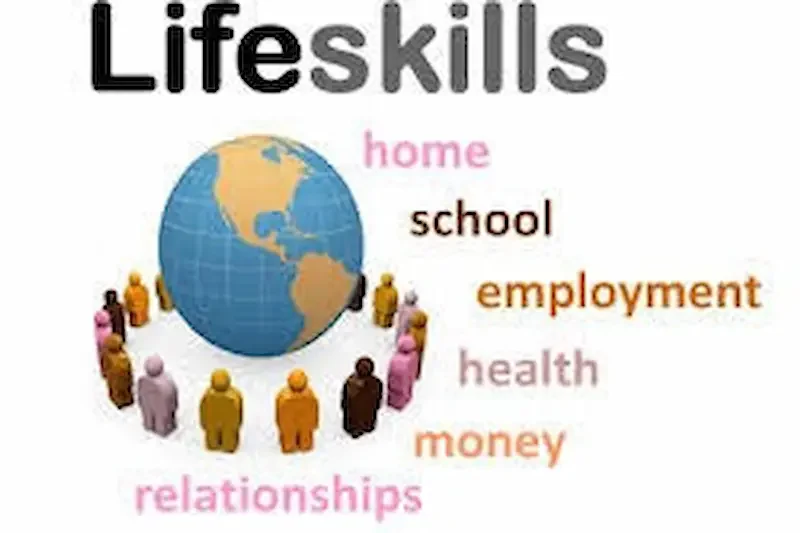
Life skills are essential for personal growth and future success. Developing these skills during school years has numerous advantages that go beyond academic achievements. Here’s a detailed look at the benefits:
1. Builds Confidence and Self-Esteem
Life skills such as communication, leadership, and problem-solving empower students to express themselves and face challenges confidently. Students with high self-esteem are more likely to participate in class, take initiative, and try new experiences. life skills at school
Example: A student who confidently presents a project in front of classmates may feel motivated to join a school debate or leadership role in the future. life skills at school
2. Improves Decision-Making and Problem-Solving
Students learn to analyze situations, consider options, and make responsible decisions. These skills help them tackle academic, social, and personal challenges effectively. life skills at school
Example: Working on a group project teaches students how to resolve disagreements, distribute tasks fairly, and find solutions when problems arise. life skills at school
3. Enhances Communication and Social Skills
Effective communication is a key life skill. Students who develop these skills can express ideas clearly, listen actively, and build strong relationships with peers, teachers, and family members.
Example: Participating in group activities, peer discussions, or presentations improves both verbal and non-verbal communication.
4. Promotes Emotional Intelligence
Students who understand and manage their emotions, as well as empathize with others, can handle stress, resolve conflicts, and maintain positive relationships. Emotional intelligence is crucial for both personal and professional success.
Example: Comforting a classmate who is upset or resolving a disagreement calmly demonstrates emotional intelligence in action.
5. Encourages Responsibility and Self-Discipline
Life skills teach students to take ownership of their actions, stay organized, and manage their time effectively. Self-discipline ensures that students complete tasks on time and maintain focus on goals. life skills at school
Example: Managing homework, school duties, and extracurricular activities requires accountability and planning.
6. Prepares Students for the Future
Life skills developed in school prepare students for higher education, careers, and personal life. Abilities like critical thinking, teamwork, adaptability, and leadership make students ready for real-world challenges.
Example: A student who masters time management and teamwork in school can handle college assignments or workplace responsibilities efficiently. life skills at school
7. Fosters Independence and Problem-Solving
Practicing life skills helps students become independent thinkers who can solve problems without relying entirely on others. They gain confidence in making decisions and handling responsibilities.
Example: Planning and executing a school event independently teaches leadership, organization, and practical problem-solving skills.
8. Promotes Overall Well-Being
Life skills contribute to mental, emotional, and social well-being. Skills like stress management, communication, and self-awareness help students maintain balance in their academic and personal lives.
Example: Learning how to manage exam stress or resolve conflicts peacefully creates a healthy and positive school environment.
9. Encourages Creativity and Innovation
Life skills like critical thinking, problem-solving, and curiosity foster creativity. Students learn to think outside the box, explore new ideas, and approach tasks in innovative ways. life skills at school
Example: Designing a creative project for a science fair or finding a unique solution to a classroom challenge enhances creativity.
10. Strengthens Teamwork and Collaboration
Working in teams helps students appreciate different perspectives, share responsibilities, and achieve common goals. Collaboration teaches patience, flexibility, and negotiation skills. life skills at school
Example: Group projects, sports teams, or organizing events require students to cooperate effectively and respect each member’s contribution. life skills at school
11. Builds Leadership Skills
Opportunities to lead classmates or participate in school activities help students develop leadership qualities like decision-making, delegation, and accountability.
Example: Being a class monitor or leading a club project helps students learn how to guide others while managing responsibilities efficiently. life skills at school
12. Instills a Sense of Social Responsibility
Participating in volunteer activities and community service teaches students empathy, compassion, and the importance of contributing to society. life skills at school
Example: Organizing a charity drive or helping classmates in need encourages students to think beyond themselves and contribute positively to the community. life skills at school
What are life skills?
Life skills are essential abilities that help individuals deal with daily challenges, communicate effectively, make decisions, solve problems, and build positive relationships. They include skills like communication, time management, problem-solving, teamwork, emotional intelligence, and critical thinking.
Why is it important to develop life skills at school?
School is not just a place to gain academic knowledge—it’s also where students learn social, emotional, and practical skills. Developing life skills at school prepares students for real-life challenges, improves confidence, and supports personal and professional growth.
Can shy or introverted students develop life skills?
Yes! Shy or introverted students can develop life skills gradually. Participating in small group activities, practicing public speaking in a safe environment, or taking on responsibilities in areas they enjoy can help them build confidence and social skills over time.
Which life skills are most important for students?
Some key life skills for students include:
Communication and social skills
Time management and self-discipline
Problem-solving and decision-making
Emotional intelligence and empathy
Teamwork and leadership
Critical thinking and creativity
How can teachers help students develop life skills?
Teachers can encourage participation in group activities, provide opportunities for leadership, offer constructive feedback, and create a supportive environment where students can practice new skills safely.
Conclusion
How to develop life skills at school is an important question for every student, parent, and teacher. Life skills are not just extra abilities—they are essential tools that help students navigate challenges, communicate effectively, make informed decisions, and build positive relationships.
By actively participating in school activities, managing time efficiently, practicing teamwork, and learning from both successes and failures, students can acquire skills that will benefit them for life. Teachers and parents play a vital role by providing guidance, support, and opportunities for students to practice these abilities in a safe environment.
Developing life skills at school prepares students for the future—not just academically, but socially, emotionally, and professionally. Students who master these skills are more confident, independent, and resilient, ready to face the challenges of higher education, careers, and everyday life.