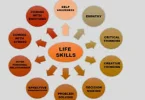

Top life skills for success are essential abilities that help you navigate challenges, achieve goals, and thrive in both personal and professional life. Success is not just about academic knowledge or technical skills—having strong life skills makes a real difference. These practical abilities help you communicate effectively, manage time, solve problems, and build meaningful relationships.
In this article, we will explore the top life skills for success that everyone should develop to become more confident, adaptable, and capable in today’s fast-paced world.
Communication Skills
Top life skills for success include effective communication, which is essential in every area of life. Communication is more than just speaking—it involves listening, understanding, writing, and even interpreting non-verbal signals. People with strong communication skills can build better relationships, solve problems faster, and create opportunities for personal and professional growth.
Why Communication Skills Matter
Effective communication allows you to express your thoughts clearly and reduces misunderstandings. At work, good communication can help you collaborate with colleagues, lead projects, and impress clients or managers. In personal life, it strengthens relationships with family, friends, and your community. Without strong communication, even the best ideas can be overlooked or misunderstood.
Types of Communication
- Verbal Communication: Speaking clearly, confidently, and politely to convey your ideas.
- Non-Verbal Communication: Using gestures, facial expressions, posture, and eye contact to support your message.
- Written Communication: Crafting clear and concise emails, messages, reports, and social media posts.
- Active Listening: Truly focusing on what the other person is saying and responding thoughtfully, rather than just waiting for your turn to speak.
Common Communication Mistakes to Avoid
- Interrupting others or not listening fully.
- Using overly complicated language or jargon.
- Ignoring non-verbal cues like body language.
- Assuming others understand your perspective without clarifying.
Tips to Improve Communication Skills
- Practice active listening: Concentrate on understanding the other person’s point of view before responding.
- Be clear and concise: Organize your thoughts and speak or write in simple, understandable language.
- Observe and adapt: Pay attention to the listener’s reactions and adjust your style accordingly.
- Seek feedback: Ask friends, mentors, or colleagues for advice on improving your communication.
- Engage in public speaking: Joining workshops or groups like Toastmasters can boost confidence and fluency.
- Read and write regularly: Expanding vocabulary and practicing writing improves both verbal and written communication.
Practical Examples
- At work: Explaining a project plan clearly to your team to ensure everyone is on the same page.
- At school: Asking questions during lectures or discussions to clarify doubts.
- In personal life: Resolving conflicts calmly by listening and expressing your feelings respectfully.
Time Management

Top life skills for success include mastering time management, which is essential for achieving goals efficiently and reducing stress. Time management is the ability to plan, prioritize, and organize tasks to make the most of every day. People who manage their time well are often more productive, focused, and confident in both their personal and professional lives.
Why Time Management Matters
Time is one of the most valuable resources, and unlike money, it cannot be regained once lost. Poor time management can lead to missed deadlines, stress, burnout, and decreased productivity. On the other hand, effective time management helps you stay organized, meet goals, maintain a work-life balance, and even find time for self-improvement.
Benefits of Good Time Management
- Increased Productivity: Completing tasks efficiently allows more time for other activities.
- Reduced Stress: Planning ahead prevents last-minute pressure and panic.
- Better Decision Making: Prioritizing tasks helps focus on what truly matters.
- Improved Work-Life Balance: Allocating time wisely ensures personal and professional needs are met.
- Enhanced Reputation: People who meet deadlines and manage tasks effectively are seen as reliable and responsible.
Key Principles of Time Management
- Prioritize Tasks: Focus on high-impact tasks first (important and urgent).
- Set Clear Goals: Break long-term goals into smaller, achievable steps.
- Plan Your Day: Use planners, digital calendars, or task management apps.
- Avoid Procrastination: Start tasks early and divide large tasks into manageable parts.
- Limit Distractions: Reduce time spent on social media, unnecessary meetings, or multitasking.
Common Time Management Mistakes to Avoid
- Overloading your schedule with too many tasks.
- Leaving important tasks until the last minute.
- Failing to plan ahead or set clear priorities.
- Ignoring how you spend your time and not reviewing productivity.
- Multitasking excessively, which can reduce focus and efficiency.
Tips to Improve Time Management
- Create a Daily Schedule: Plan your day in advance, listing tasks and deadlines.
- Use Time Management Tools: Apps like Trello, Asana, Google Calendar, or Todoist can help organize tasks.
- Set Time Limits: Assign specific durations for each task to avoid over-spending time.
- Batch Similar Tasks: Group similar tasks together to save time and mental energy.
- Take Breaks: Short breaks improve focus, reduce fatigue, and boost productivity.
- Reflect and Adjust: Review your daily or weekly progress and adjust your strategies accordingly.
- Learn to Say No: Avoid overcommitting to tasks that don’t align with your priorities.
Practical Examples of Time Management
- At Work: Breaking a large project into smaller tasks and setting deadlines for each part to ensure timely completion.
- At School: Allocating specific time blocks for studying, assignments, and revision to stay ahead of exams.
- In Personal Life: Scheduling time for exercise, hobbies, family, and relaxation to maintain balance.
- Daily Routine Example: Morning – Focused work or study; Afternoon – Meetings or chores; Evening – Relaxation and self-care; Night – Planning next day.
Advanced Time Management Techniques
- The Pomodoro Technique: Work for 25 minutes, then take a 5-minute break. Repeat cycles to maintain focus.
- Eisenhower Matrix: Prioritize tasks based on urgency and importance to decide what to do first, delegate, or eliminate.
- Time Blocking: Allocate fixed time slots for specific activities to improve focus and productivity.
Critical Thinking and Problem Solving
Top life skills for success include critical thinking and problem-solving, which are essential for navigating challenges and making smart decisions. These skills allow you to evaluate situations carefully, identify opportunities, and find practical solutions, whether in your personal life, at school, or in your career. People who excel in these areas often achieve their goals faster and handle unexpected problems with confidence.
Why Critical Thinking is Important
Critical thinking helps you analyze information logically and objectively. It allows you to question assumptions, weigh evidence, and make decisions based on facts rather than emotions. Without critical thinking, you may make impulsive decisions, repeat mistakes, or overlook important details. Strong critical thinking improves problem-solving, creativity, and adaptability.
The Role of Problem-Solving
Problem-solving is the ability to tackle challenges effectively. It involves identifying obstacles, understanding their causes, and finding solutions that work. Problem-solving is closely linked with critical thinking—together, they help you overcome difficulties, reduce stress, and make better life and career decisions.
Key Steps in Problem-Solving
- Identify the Problem Clearly: Understand the situation and define the problem specifically.
- Analyze the Situation: Gather facts, identify patterns, and consider the root causes.
- Generate Multiple Solutions: Brainstorm all possible options without judging them initially.
- Evaluate and Compare Solutions: Weigh pros and cons, risks, and possible outcomes.
- Choose and Implement a Solution: Take decisive action and monitor progress.
- Reflect and Learn: Assess what worked and what can be improved for next time.
Tips to Improve Critical Thinking and Problem-Solving
- Ask Thoughtful Questions: Don’t accept information at face value; dig deeper.
- Consider Multiple Perspectives: Look at problems from different angles to find better solutions.
- Break Problems into Smaller Parts: Tackling smaller issues makes larger challenges more manageable.
- Learn from Experience: Analyze past mistakes and successes to improve decision-making.
- Collaborate with Others: Discussing ideas with peers can reveal insights you might miss.
- Practice Regularly: Engage in puzzles, strategic games, or case studies to strengthen your skills.
Common Mistakes to Avoid
- Jumping to conclusions without sufficient analysis.
- Ignoring alternative solutions and sticking to the first idea.
- Overcomplicating simple problems.
- Avoiding difficult decisions due to fear of failure.
Practical Examples
- At Work: Resolving a team conflict by evaluating perspectives and finding a fair compromise.
- At School: Selecting the best study method after reviewing your learning patterns and results.
- In Personal Life: Planning a budget to save money after analyzing spending habits and income.
- In Daily Decisions: Choosing the best route to avoid traffic by considering alternatives and past experience.
Advanced Techniques for Mastery
- SWOT Analysis: Assess Strengths, Weaknesses, Opportunities, and Threats before making decisions.
- Root Cause Analysis: Identify the underlying cause of a problem rather than just addressing symptoms.
- Mind Mapping: Visually organize ideas and solutions to see connections and patterns.
- Decision Matrix: Compare different options based on specific criteria to make more objective choices.
Benefits of Developing These Skills
- Improved decision-making in both personal and professional life.
- Increased confidence when facing challenges.
- Enhanced creativity in finding innovative solutions.
- Ability to handle complex situations with clarity and calmness.
you may also like to read these posts;
What is Smart Learning? Benefits, Features, and Future Guide
Types of Smart Learning Methods for Modern Education
How to Apply Smart Learning in Daily Study for Better Results
Why Smart Learning is Effective: Boost Your Skills Fast
Top Smart Learning Strategies to Study Better in 2025
Emotional Intelligence
Top life skills for success include emotional intelligence (EI), which is the ability to recognize, understand, and manage your own emotions while also understanding and influencing the emotions of others. Emotional intelligence is a key factor in personal happiness, career success, and building strong relationships. People with high EI navigate challenges more effectively and maintain better mental and emotional well-being.
Why Emotional Intelligence Matters
Emotional intelligence is crucial because it influences how you handle stress, interact with others, and make decisions. While technical skills can help you get a job, EI determines how well you perform, lead, and maintain healthy relationships. High EI helps you respond calmly under pressure, empathize with others, and adapt to changing situations—traits that are vital for long-term success.
Key Components of Emotional Intelligence
- Self-Awareness
- Understanding your emotions and how they affect your thoughts and actions.
- Helps in identifying strengths and weaknesses for personal growth.
- Example: Noticing that you feel anxious before presentations and preparing strategies to stay calm.
- Self-Regulation
- The ability to control impulses and respond thoughtfully rather than react impulsively.
- Helps in maintaining professionalism and composure in difficult situations.
- Example: Staying calm during a heated debate and responding rationally instead of getting angry.
- Motivation
- Being driven by personal growth, goals, and values rather than external rewards.
- Helps you stay focused and resilient, even when faced with obstacles.
- Example: Continuing to practice a skill daily despite slow initial progress.
- Empathy
- Understanding and sharing the feelings of others, which strengthens relationships.
- Helps in conflict resolution, teamwork, and leadership.
- Example: Comforting a colleague who is struggling and offering support without judgment.
- Social Skills
- Building and maintaining healthy relationships through communication, cooperation, and conflict resolution.
- Helps in networking, team collaboration, and influencing others positively.
- Example: Mediating a team disagreement by listening to both sides and finding a fair solution.
Tips to Improve Emotional Intelligence
- Practice Self-Reflection: Spend a few minutes daily analyzing your emotional responses and patterns.
- Develop Mindfulness: Techniques like meditation, deep breathing, or yoga help you stay aware of emotions.
- Strengthen Empathy: Listen actively, ask thoughtful questions, and consider others’ perspectives.
- Manage Stress Effectively: Exercise, hobbies, or journaling can reduce emotional overload.
- Seek Constructive Feedback: Ask friends, family, or colleagues how your actions affect them and adjust accordingly.
- Enhance Social Skills: Practice active listening, effective communication, and collaborative teamwork.
Common Emotional Intelligence Mistakes to Avoid
- Ignoring your own feelings or avoiding emotions.
- Reacting impulsively in stressful situations.
- Failing to consider others’ feelings when making decisions.
- Avoiding difficult conversations instead of addressing issues calmly.
- Relying solely on intellect while neglecting emotional understanding.
Practical Examples of Emotional Intelligence in Action
- At Work: Handling criticism constructively, managing stress during tight deadlines, and motivating team members.
- At School: Resolving group conflicts, supporting classmates emotionally, and maintaining positive collaboration.
- In Personal Life: Managing disagreements with family calmly and empathizing with friends’ struggles.
- Daily Situations: Staying patient in queues, controlling frustration in traffic, or responding kindly to a difficult customer.
Advanced Techniques to Develop Emotional Intelligence
- Emotional Journaling: Track emotions, triggers, and responses to increase self-awareness.
- Perspective-Taking Exercises: Regularly imagine situations from someone else’s viewpoint to improve empathy.
- Cognitive Reframing: Change negative thought patterns into constructive perspectives.
- Empathy-Building Activities: Volunteer work or helping others in need enhances social awareness and compassion.
- Mindfulness Practices: Daily meditation or breathing exercises help regulate emotions in high-pressure situations.
Benefits of Developing Emotional Intelligence
- Better mental health and stress management.
- Stronger personal and professional relationships.
- Improved leadership and teamwork abilities.
- Greater resilience and adaptability in challenging situations.
- Increased confidence and self-awareness for making better life decisions.
Adaptability and Flexibility
Top life skills for success include adaptability and flexibility, which are crucial in navigating life’s unpredictable challenges. Adaptable individuals adjust easily to changing circumstances, while flexible people embrace new ideas and approaches. Together, these skills allow you to thrive in dynamic environments, reduce stress, and seize opportunities that others might miss.
Why Adaptability and Flexibility Matter
Life is unpredictable, and the ability to adapt determines how well you respond to changes at work, school, or in personal life. Those who resist change often experience frustration, stress, and stagnation. By being adaptable, you can turn challenges into opportunities, learn new skills faster, and stay competitive in a rapidly evolving world.
Key Components of Adaptability and Flexibility
- Openness to Change: Accepting new situations without fear or hesitation.
- Quick Learning: Rapidly acquiring knowledge or skills needed for new situations.
- Problem-Solving in Unfamiliar Situations: Finding solutions even when circumstances are unexpected.
- Resilience: Staying positive, motivated, and focused despite setbacks.
- Creativity and Innovation: Thinking outside the box to adjust strategies effectively.
Tips to Improve Adaptability and Flexibility
- View Change as Opportunity: Focus on how change can lead to personal or professional growth.
- Continuous Learning: Take online courses, attend workshops, or read regularly to expand your knowledge.
- Practice Mindfulness: Stay present and calm during unexpected situations to think clearly.
- Seek Feedback: Accept constructive criticism and adjust your approach accordingly.
- Step Out of Your Comfort Zone: Regularly challenge yourself to handle new tasks or situations.
- Plan for Multiple Scenarios: Anticipate possible outcomes and have backup strategies ready.
- Stay Positive: Maintain a solution-oriented mindset rather than dwelling on problems.
Common Mistakes to Avoid
- Rigidly sticking to old methods even when they are ineffective.
- Viewing change as a threat instead of an opportunity.
- Ignoring advice, feedback, or alternative perspectives.
- Reacting emotionally instead of thinking strategically during challenges.
- Overcommitting to too many new tasks without planning or prioritizing.
Practical Examples of Adaptability and Flexibility
- At Work: Adjusting to a new manager’s style, learning new software, or handling last-minute project changes.
- At School: Adopting new study techniques when previous methods don’t yield results.
- In Personal Life: Dealing calmly with unexpected events like travel delays, sudden responsibilities, or health issues.
- Daily Situations: Handling traffic jams, device malfunctions, or changes in social plans without frustration.
Advanced Techniques to Strengthen Adaptability
- Scenario Planning: Imagine multiple future situations and plan how to respond effectively.
- Cross-Training: Learn skills outside your primary area to increase versatility and confidence.
- Stress Management Techniques: Regular meditation, yoga, or exercise to stay calm under pressure.
- Growth Mindset: Focus on learning from mistakes and embracing challenges rather than fearing failure.
- Networking: Engage with diverse people to gain different perspectives and solutions for challenges.
Benefits of Developing Adaptability and Flexibility
- Ability to handle unexpected challenges with confidence and creativity.
- Faster learning and better problem-solving in unfamiliar situations.
- Reduced stress and improved mental health.
- Enhanced career opportunities and professional growth.
- Stronger relationships and teamwork due to openness and cooperation.
- Greater resilience and ability to thrive in a fast-changing world.
Leadership and Teamwork

Top life skills for success include leadership and teamwork, which are essential for achieving goals and building strong relationships in both personal and professional life. Leadership is not just about managing others—it’s about inspiring, guiding, and motivating people. Teamwork, on the other hand, is the ability to work collaboratively, share responsibilities, and achieve common objectives effectively. top life skills for success
Why Leadership and Teamwork Matter
Leadership skills help you influence and inspire others, make strategic decisions, and take initiative in projects or group activities. Teamwork skills allow you to collaborate effectively, resolve conflicts, and leverage diverse perspectives to achieve better results. Together, these skills ensure that projects run smoothly, relationships remain positive, and goals are achieved efficiently.
Key Components of Leadership
- Vision and Goal Setting: Being able to set clear goals and guide others toward achieving them. top life skills for success
- Decision-Making: Making informed choices that benefit the team and organization. top life skills for success
- Motivation and Inspiration: Encouraging team members to stay focused and perform their best. top life skills for success
- Accountability: Taking responsibility for your actions and holding the team accountable. top life skills for success
- Conflict Resolution: Addressing disagreements constructively and maintaining harmony. top life skills for success
Key Components of Teamwork
- Collaboration: Working together to achieve shared objectives. top life skills for success
- Communication: Sharing ideas, feedback, and updates effectively within the group. top life skills for success
- Flexibility: Being open to others’ ideas and adjusting your approach when necessary. top life skills for success
- Support and Empathy: Helping team members and understanding their challenges. top life skills for success
- Reliability: Completing tasks on time and fulfilling your responsibilities. top life skills for success
Tips to Improve Leadership and Teamwork Skills
- Lead by Example: Demonstrate integrity, accountability, and hard work.
- Listen Actively: Understand team members’ concerns and ideas before making decisions. top life skills for success
- Encourage Collaboration: Promote open communication and value everyone’s contributions. top life skills for success
- Provide Constructive Feedback: Guide others positively to improve performance. top life skills for success
- Develop Emotional Intelligence: Use empathy to understand team dynamics and resolve conflicts. top life skills for success
- Be Adaptable: Adjust your leadership style to suit different situations and team members. top life skills for success
- Celebrate Success: Recognize achievements to motivate and inspire your team. top life skills for success
Common Mistakes to Avoid
- Dominating discussions and not listening to others. top life skills for success
- Avoiding responsibility or blaming team members for mistakes. top life skills for success
- Ignoring team dynamics or conflicts instead of addressing them. top life skills for success
- Failing to communicate clearly and consistently. top life skills for success
- Underestimating the importance of collaboration and inclusivity. top life skills for success
Practical Examples of Leadership and Teamwork
- At Work: Leading a project team, delegating tasks, and motivating colleagues to meet deadlines.
- At School: Coordinating group assignments, resolving disagreements, and ensuring everyone contributes.
- In Personal Life: Organizing community activities, volunteering, or supporting family decisions collaboratively.
- Daily Situations: Helping friends solve problems together or collaborating on household tasks effectively.
Advanced Techniques to Develop Leadership and Teamwork
- Mentorship: Learn from experienced leaders or mentor others to enhance skills.
- Team-Building Activities: Participate in exercises that strengthen collaboration and trust.
- Conflict Resolution Training: Practice negotiation, mediation, and problem-solving in group settings.
- Self-Reflection: Regularly assess your leadership style and teamwork effectiveness.
- Networking: Connect with diverse individuals to learn new approaches and ideas.
Benefits of Developing Leadership and Teamwork Skills
- Improved ability to manage projects and achieve goals efficiently. top life skills for success
- Stronger interpersonal relationships and workplace harmony. top life skills for success
- Enhanced problem-solving and decision-making capabilities. top life skills for success
- Increased confidence and influence in personal and professional life. top life skills for success
- Greater opportunities for career advancement and recognition. top life skills for success
What are life skills?
Life skills are practical abilities that help you manage personal, professional, and social challenges effectively. Examples include communication, time management, problem-solving, emotional intelligence, and adaptability.
Why are life skills important for success?
Life skills help you navigate challenges, make better decisions, build relationships, and achieve your goals. They complement technical knowledge and education, making you more capable and confident.
Can life skills be learned?
Yes! Life skills can be developed through practice, learning from experiences, training programs, mentorship, and self-reflection. The key is to be consistent and willing to improve.
Which life skills are most important for career growth?
While all life skills are valuable, some critical ones for career success include communication, time management, leadership, teamwork, adaptability, problem-solving, and emotional intelligence.
How can I improve my communication skills?
Practice active listening, speak clearly, expand your vocabulary, pay attention to body language, and seek feedback. Joining public speaking groups or workshops can also help.
Conclusion
Top life skills for success are essential for achieving personal and professional goals. Skills like communication, time management, critical thinking, emotional intelligence, adaptability, leadership, teamwork, and financial literacy help you navigate challenges, make better decisions, and build stronger relationships.
Developing these skills is a continuous journey, but even small improvements can have a big impact on your life. By practicing these skills daily, reflecting on your experiences, and seeking opportunities to learn, you can become more confident, resilient, and capable.
Remember, success is not just about knowledge or talent—it’s about how effectively you apply your skills, adapt to change, and work with others. Start developing these life skills today, and you’ll be better prepared to achieve your goals and thrive in every area of your life.