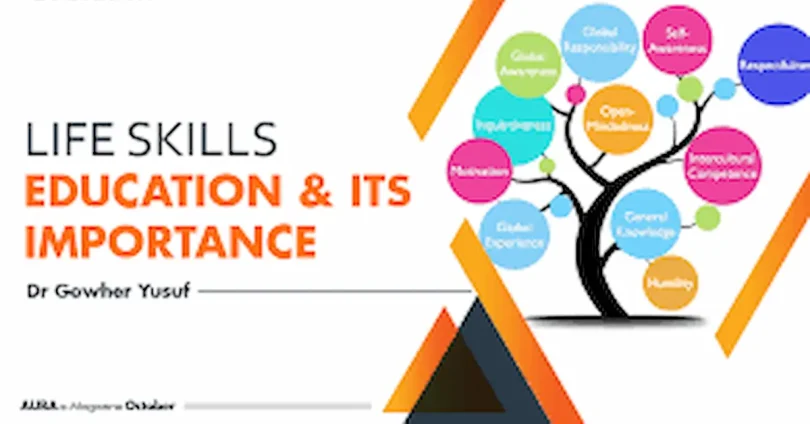

Life skills are essential abilities that help people navigate everyday challenges successfully. They include communication, problem-solving, time management, decision-making, and emotional intelligence. These skills are not usually taught in classrooms, yet they play a crucial role in personal growth, building strong relationships, and achieving success in life.
Having life skills allows individuals to face difficulties with confidence, make smart decisions, and maintain a balanced and happy life. Whether at home, school, or work, life skills make it easier to handle problems, work well with others, and adapt to changing situations. Developing these skills early can set the foundation for a successful and fulfilling future.
Importance of Life Skills
1. Better Decision-Making
Life skills help individuals make thoughtful and informed decisions. When you have the ability to analyze situations, weigh options, and think critically, you are less likely to make mistakes. For example, a student who plans their study schedule effectively can balance academics and hobbies, while someone with poor planning might feel stressed and unprepared. Developing decision-making skills allows you to approach challenges logically and confidently.
2. Improved Relationships
Strong communication and interpersonal skills are essential for building healthy relationships. Life skills like empathy, active listening, and conflict resolution help people connect better with family, friends, and colleagues. For instance, understanding someone’s perspective during an argument can prevent misunderstandings and strengthen trust. People with strong life skills tend to have more positive interactions and stronger social support networks.
3. Enhanced Problem-Solving Abilities
Life is full of unexpected challenges, and life skills provide the tools to handle them effectively. Skills like critical thinking, creativity, and adaptability allow you to find practical solutions instead of feeling overwhelmed. For example, if a project at work hits a roadblock, problem-solving skills help you explore alternatives and complete the task successfully.
4. Stress Management and Emotional Well-Being
Emotional intelligence is a key life skill that helps manage stress and maintain mental health. By understanding your emotions and responding calmly to difficult situations, you can avoid unnecessary stress and make better choices. For instance, staying composed during exams or tight deadlines allows you to focus and perform better. Practicing mindfulness, self-reflection, and positive thinking are ways to strengthen these skills.
5. Academic and Career Success
Employers and educators highly value life skills because they contribute to efficiency, teamwork, and productivity. Students who manage time well, communicate clearly, and adapt to challenges often perform better academically. In the workplace, employees with strong life skills can solve problems, lead projects, and collaborate effectively. Developing life skills early increases opportunities for growth and long-term success.
Importance of Life Skills
Life skills are essential for everyone because they help individuals navigate daily life, overcome challenges, and grow personally and professionally. They are not just academic or technical skills but practical abilities that make life easier and more successful. Here’s why life skills are so important:
1. Better Decision-Making
Life skills give you the tools to make thoughtful and informed decisions. When you can analyze situations, weigh options, and predict consequences, you avoid unnecessary mistakes. For example, a student deciding how to balance study, hobbies, and social life benefits from decision-making skills. Similarly, adults use these skills when managing finances, choosing a career path, or solving everyday problems. Strong decision-making skills lead to better outcomes in both personal and professional life.
2. Improved Relationships
Healthy relationships are built on trust, communication, and understanding. Life skills like empathy, active listening, and conflict resolution help you interact positively with others. For instance, understanding a friend’s perspective during a disagreement can prevent arguments from escalating. In the workplace, collaboration and teamwork improve when employees have strong interpersonal skills. Life skills make it easier to build meaningful connections and maintain long-lasting relationships.
3. Effective Problem-Solving
Life is full of unexpected challenges, and problem-solving skills are vital for overcoming them. Life skills like creativity, critical thinking, and adaptability help individuals find practical solutions instead of getting frustrated. For example, if a project at work hits a roadblock, problem-solving skills help you explore alternative solutions and complete the task successfully. Developing these skills encourages resilience and confidence in facing obstacles.
4. Stress Management and Emotional Control
Stress and emotional challenges are part of everyday life. Life skills, particularly emotional intelligence, help individuals manage stress, control emotions, and maintain mental health. For example, staying calm during exams or workplace deadlines improves focus and performance. Techniques like mindfulness, deep breathing, and self-reflection strengthen emotional control. People with good emotional skills can handle setbacks without getting overwhelmed, leading to a healthier and happier life.
5. Academic and Career Success
Life skills play a major role in achieving success in education and work. Skills like time management, effective communication, teamwork, and adaptability are highly valued by teachers, peers, and employers. Students with strong life skills perform better in exams and projects. In the workplace, employees with these skills are more productive, responsible, and capable of handling challenges efficiently. Life skills often make the difference between average performance and exceptional success.
6. Personal Growth and Confidence
Developing life skills boosts self-confidence and personal growth. When you learn to manage time, solve problems, communicate effectively, and handle emotions, you feel more capable and independent. This confidence motivates you to take on new challenges and learn from mistakes. Over time, life skills contribute to building a balanced, fulfilling, and successful life.
7. Adaptability in a Changing World
The modern world is constantly changing, with new challenges, technologies, and opportunities. Life skills like adaptability and flexibility help individuals adjust to changes easily. For example, learning to use new technology at work or adjusting to a new study method requires adaptability. People with strong life skills are more prepared for unexpected situations and can thrive in any environment.
How to Develop Life Skills
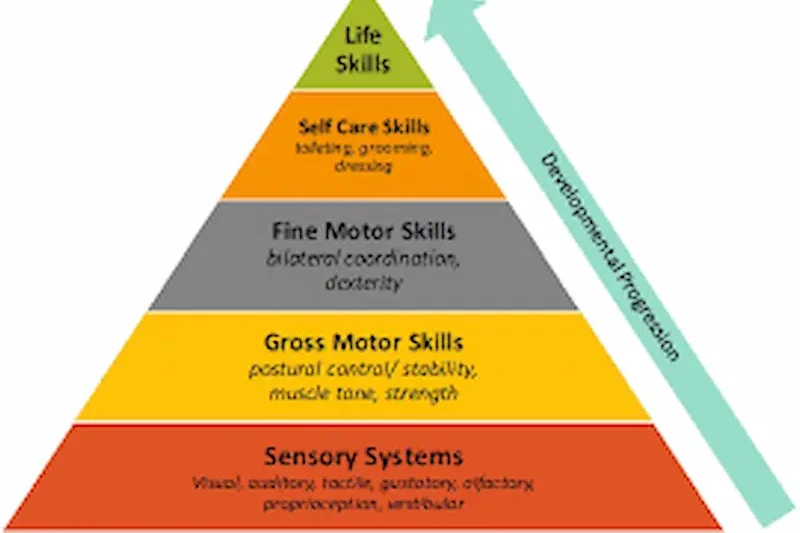
Developing life skills is a continuous process, and anyone can improve them with practice and patience. Here are some practical ways to build essential life skills:
1. Practice Self-Reflection
Take time to think about your actions, decisions, and behavior. Ask yourself questions like: “What could I have done better?” or “How did I handle that situation?” Self-reflection helps you understand your strengths and areas for improvement, which is the first step in developing life skills.
2. Set Personal Goals
Setting clear and achievable goals helps improve focus, discipline, and time management. Start with small goals, such as completing homework on time, learning a new skill, or practicing a hobby daily. Over time, achieving these goals boosts confidence and motivation.
3. Improve Communication Skills
Good communication is vital in every area of life. Practice speaking clearly, listening actively, and expressing your thoughts respectfully. You can also improve written communication by writing journals, emails, or social media posts thoughtfully. Strong communication skills enhance relationships and open opportunities in school, work, and personal life.
4. Participate in Group Activities
Working with others helps develop teamwork, leadership, and interpersonal skills. Join clubs, sports teams, or community groups where collaboration is required. Group activities teach you how to share responsibilities, resolve conflicts, and work towards a common goal.
5. Learn from Mistakes
Mistakes are valuable learning opportunities. Instead of getting discouraged, analyze what went wrong and how you can do better next time. This builds problem-solving abilities, resilience, and adaptability—key life skills for success.
6. Manage Time Effectively
Time management is a crucial life skill. Create daily schedules, prioritize tasks, and avoid procrastination. Simple tools like to-do lists, calendars, and reminders can help you stay organized and complete tasks efficiently. Effective time management reduces stress and increases productivity.
7. Practice Emotional Intelligence
Understanding and managing your emotions is vital for mental health and relationships. Practice patience, empathy, and stress management techniques like deep breathing, meditation, or journaling. Emotional intelligence helps you respond calmly to challenges and build stronger connections with others.
8. Take Courses or Workshops
Many online platforms, schools, and community centers offer workshops or courses on life skills such as leadership, communication, problem-solving, and time management. Learning from experts provides structured guidance and practical exercises to improve your skills faster.
9. Seek Feedback
Ask friends, teachers, or mentors for feedback on your behavior, communication, or decision-making. Constructive feedback helps you identify areas for improvement and encourages personal growth.
you may also like to read these posts;
Why Smart Learning is Effective: Boost Your Skills Fast
Top Smart Learning Strategies to Study Better in 2025
Smart Learning vs Traditional Learning: Key Differences
Types of Career Paths for Students: A Complete Guide
Career Path Planning: How to Build a Successful Career
Real-Life Examples of Life Skills
Understanding life skills becomes easier when you see them in action. Here are some real-life examples that show how life skills make a difference:
1. Time Management in Studies
A student preparing for exams plans a study schedule, prioritizes subjects based on difficulty, and takes regular breaks. By managing time effectively, the student completes the syllabus without stress and performs better in exams. This shows how time management as a life skill improves productivity and reduces anxiety.
2. Communication in the Workplace
An employee needs to explain a project update to their team. By speaking clearly, listening to feedback, and responding politely, the employee avoids misunderstandings and builds good relationships with colleagues. This example highlights the importance of communication skills in professional success.
3. Problem-Solving in Daily Life
Imagine a family planning a trip, but unexpected bad weather cancels their plans. By thinking creatively, they rearrange activities and still enjoy the trip. This demonstrates problem-solving skills, helping people adapt and find solutions in unexpected situations.
4. Emotional Intelligence in Relationships
During a disagreement with a friend, instead of reacting angrily, a person listens carefully, understands the friend’s perspective, and expresses feelings calmly. This approach strengthens the friendship and shows how emotional intelligence helps maintain healthy relationships.
5. Decision-Making in Career Choices
A student choosing a college carefully researches courses, compares options, and considers personal interests before deciding. Good decision-making skills lead to choices that match long-term goals and increase satisfaction in life.
6. Adaptability in Changing Environments
A professional learns new software required for their job. By quickly adapting to the change, they continue to perform effectively and stay valuable to the company. This example shows how adaptability, a life skill, helps individuals thrive in changing circumstances.
Tips for Practicing Life Skills Daily
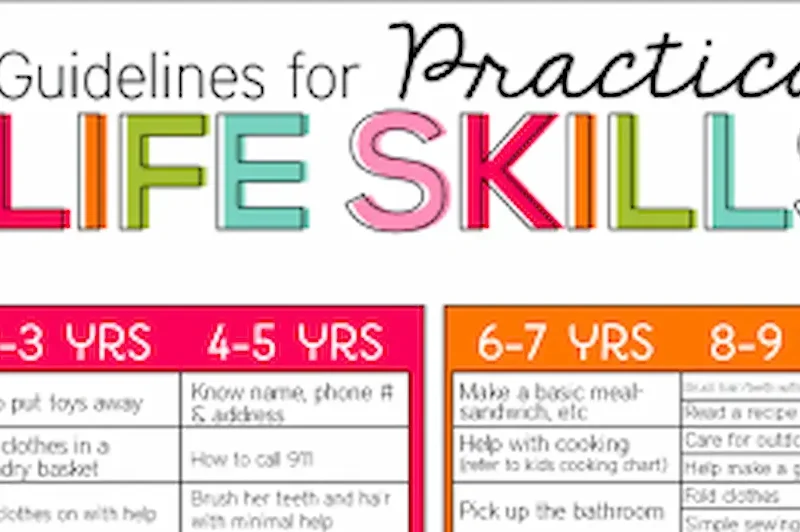
Developing life skills requires consistency and practice. By incorporating small daily habits, you can gradually improve your abilities and apply them in real-life situations. Here’s how you can practice life skills every day:
1. Start Your Day with a Plan
Begin each day by listing tasks you want to accomplish. Prioritize them based on importance and urgency. For example, a student can plan study hours, assignments, and breaks, while a professional can organize meetings and project tasks. Planning your day improves time management, reduces stress, and helps you stay focused.
2. Practice Active Listening
Focus on truly understanding what others are saying instead of just waiting for your turn to speak. This can be during conversations with friends, family, or colleagues. Active listening improves communication skills and shows respect for others’ opinions, which strengthens relationships.
3. Reflect on Your Day
Spend a few minutes each evening reflecting on your day. Ask yourself questions like: “What did I do well?” and “What can I improve tomorrow?” This habit increases self-awareness, helps with better decision-making, and allows you to learn from both successes and mistakes.
4. Solve Small Problems Daily
Don’t avoid challenges, even if they seem minor. Solve small issues at home, school, or work. For instance, if you notice a scheduling conflict, find a solution rather than leaving it unresolved. Tackling problems regularly strengthens problem-solving skills and builds confidence.
5. Practice Patience and Emotional Control
Whenever you feel frustrated or stressed, pause and take a deep breath before responding. Practicing patience improves emotional intelligence, helping you handle stressful situations calmly. Over time, this reduces conflicts and improves mental well-being.
6. Learn Something New Every Day
Commit to learning something new daily, whether it’s a skill, a piece of knowledge, or a small life hack. For example, learning how to cook a new dish, reading an article, or practicing a language. This habit enhances adaptability, keeps your mind sharp, and prepares you for unexpected challenges.
7. Communicate Clearly
Work on expressing your thoughts and feelings clearly in conversations, emails, or messages. Avoid misunderstandings by being polite, concise, and specific. Regular practice improves verbal and written communication skills, which are essential in school, work, and personal life.
8. Set Small Goals
Break larger tasks into smaller, manageable goals. For example, instead of aiming to complete a whole project in one day, set milestones like finishing research first, then drafting, then reviewing. Achieving small goals builds discipline, boosts confidence, and encourages continuous growth.
9. Observe and Learn from Others
Watch how successful people handle challenges, communicate, and manage their time. For instance, notice how a teacher explains concepts effectively or how a colleague handles workplace stress. Observing and learning from others helps you develop practical life skills faster.
10. Volunteer and Help Others
Helping others in daily life—like assisting a classmate with studies or participating in community service—improves teamwork, empathy, and social skills. Volunteering also teaches responsibility and problem-solving in real situations.
11. Keep a Journal
Writing a daily journal about your experiences, challenges, and achievements improves self-reflection, emotional awareness, and critical thinking. Journaling helps you track progress, identify patterns, and plan better strategies for the future.
12. Practice Decision-Making Daily
Make small decisions consciously, like planning your meals, choosing the best route to school, or organizing your study time. Practicing decision-making in daily life strengthens confidence and prepares you for bigger, important decisions in the future.
13. Maintain a Healthy Routine
Exercise, eat well, and sleep on time. Physical well-being directly affects mental clarity, focus, and emotional stability. Maintaining a routine is a life skill that improves discipline, consistency, and self-care.
14. Challenge Yourself Regularly
Step out of your comfort zone by trying new activities, speaking in public, or learning a difficult skill. Challenging yourself builds resilience, confidence, and adaptability, which are key life skills for success.
What are the most important life skills?
Some of the most important life skills include communication, problem-solving, time management, decision-making, emotional intelligence, adaptability, and interpersonal skills. These skills help you manage daily challenges and succeed in personal and professional life.
Can life skills be learned at any age?
Yes! Life skills are not limited to a specific age. Children, teenagers, and adults can all learn and improve life skills through practice, observation, and guidance. The earlier you start, the easier it becomes to apply them in daily life.
How do life skills help in career growth?
Life skills like communication, teamwork, time management, problem-solving, and adaptability are highly valued by employers. They help you work efficiently, handle challenges, and collaborate effectively, which increases opportunities for promotions and professional success.
How long does it take to develop life skills?
Developing life skills is an ongoing process. Some skills can improve quickly with practice, while others take consistent effort over months or years. Regular practice, reflection, and learning from experiences help you improve steadily.
Can life skills improve mental well-being?
Absolutely. Life skills like emotional intelligence, stress management, and problem-solving help you handle challenges calmly, reduce stress, and maintain better mental health. They promote confidence, resilience, and a positive outlook on life.
Conclusion
Life skills are essential for navigating everyday challenges, building strong relationships, and achieving personal and professional success. From communication and problem-solving to time management and emotional intelligence, these skills impact every aspect of life.
Developing life skills is not something that happens overnight—it requires practice, reflection, and consistent effort. By setting goals, practicing small daily habits, learning from experiences, and observing others, anyone can strengthen these skills over time.
Investing in life skills early helps you make better decisions, manage stress, adapt to change, and grow both personally and professionally. Ultimately, life skills empower you to live a more confident, balanced, and fulfilling life.