
Career Path vs Career Growth is a topic that every professional should understand to succeed in today’s competitive world. While these terms are often used interchangeably, they actually represent different aspects of your professional journey.
A career path is like a roadmap that outlines the roles and positions you aim to achieve over time. Career growth, on the other hand, focuses on your personal and professional development, helping you gain skills, knowledge, and experience that make you more valuable in your field.
Understanding the difference between career path and career growth can help you make informed career decisions, stay motivated, and achieve long-term success. In this article, we will explore both concepts, explain their differences, and provide tips on how to balance them effectively.
What is a Career Path?
A career path is the planned progression of roles, responsibilities, and positions a professional takes over time. It acts like a roadmap that guides you from your current role to your long-term career goals. Having a clear career path helps you understand the steps needed to advance in your profession and achieve success.
For example, in the field of marketing, a typical career path might start as a Marketing Assistant, then move to Marketing Executive, then Marketing Manager, and finally Marketing Director. Each step builds your experience, skills, and responsibility, helping you move closer to your career objectives.
Key Features of a Career Path:
- Structured and goal-oriented: Provides a clear direction for your career.
- Role-focused: Concentrates on positions and promotions rather than just skills.
- Long-term vision: Helps plan your professional growth over years.
- Aligned with qualifications: Often linked to your education, certifications, and experience.
What is Career Growth?
Career growth refers to the continuous development of your skills, knowledge, and experience, regardless of your current job title. Unlike a career path, which focuses on the roles you hold, career growth focuses on improving your capabilities and becoming more valuable in your field.
Career growth can happen in different ways:
- Vertical growth: Getting promotions or higher positions within your field.
- Horizontal growth: Gaining new skills or responsibilities at the same level.
- Diagonal growth: Moving to a different role or department to broaden your experience.
Key Features of Career Growth:
- Skill-focused: Emphasizes learning new abilities and expertise.
- Continuous process: Happens throughout your career, not just during promotions.
- Increases employability: Makes you more adaptable and valuable in the job market.
- Encourages personal development: Helps you become a better professional over time.
Career Path vs Career Growth: Main Differences
Definition
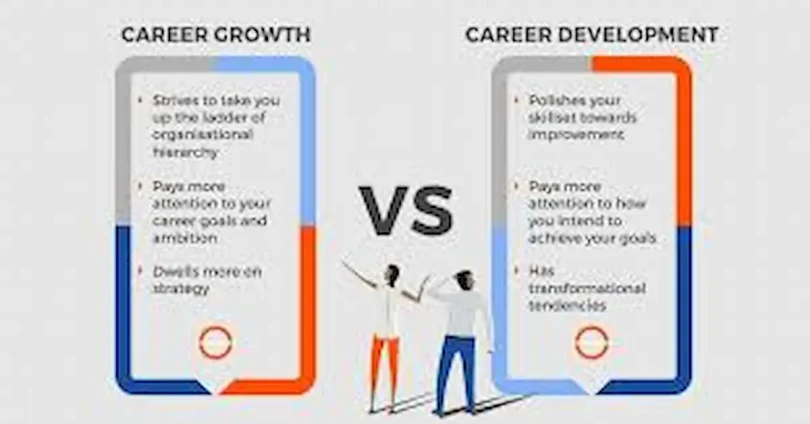
A career path is the planned progression of roles and positions you take over time. It acts like a roadmap guiding you toward your long-term professional goals. Career growth, on the other hand, focuses on the development of your skills, knowledge, and expertise, helping you become more valuable in your field. Career Path vs Career Growth
Focus
The focus of a career path is on job titles, promotions, and milestones. Career growth emphasizes learning, gaining experience, and building your capabilities, regardless of your current position. Career Path vs Career Growth
Time Frame
A career path usually follows a long-term roadmap, outlining the steps you will take over several years. Career growth is continuous and can happen at any stage of your career, even if your job title doesn’t change.
Measurement
Career path is measured by the roles and positions you achieve, while career growth is measured by the skills you acquire, the responsibilities you take on, and the knowledge you gain. Career Path vs Career Growth
Dependency
Your career path often depends on your organization’s structure and opportunities, whereas career growth relies more on your personal initiative, learning, and adaptability. Career Path vs Career Growth
Example
For instance, a career path might involve moving from Junior Developer → Senior Developer → Team Lead → Project Manager. Career growth could include learning new programming languages, improving leadership skills, and earning certifications, even without changing positions. Career Path vs Career Growth
Understanding both career path and career growth allows you to plan strategically for your future while continuously improving your skills, making you more successful and adaptable over time.
Advantages of Understanding Both Career Path and Career Growth
Clear Career Direction
Understanding your career path gives you a clear roadmap for your professional journey. It helps you visualize where you want to be in 5, 10, or even 20 years and identify the steps required to reach your goals. For example, knowing that you want to become a Project Manager in five years allows you to plan which roles to take, what skills to develop, and what experience you need to gain along the way.
Continuous Skill Development
Focusing on career growth ensures you are always learning and improving your abilities. This could involve taking courses, gaining certifications, or learning new tools and technologies relevant to your field. Continuous skill development makes you more effective in your current role and prepares you for future challenges. It also increases your confidence and adaptability in a fast-changing work environment. Career Path vs Career Growth
Better Job Satisfaction
Balancing career path and career growth leads to higher job satisfaction. When you know where you are headed (career path) and see yourself growing and improving (career growth), you feel more motivated and engaged. Employees who experience both often enjoy their work more because they see progress, recognition, and meaningful achievements. Career Path vs Career Growth
Increased Opportunities
Professionals who focus on both career path and career growth stand out to employers. They are often considered goal-oriented, proactive, and committed to improvement. This can open doors to promotions, leadership roles, high-profile projects, and even new career opportunities in different organizations. Career Path vs Career Growth
Enhanced Professional Reputation
When you consistently grow your skills while progressing along a clear career path, you build a strong professional reputation. Colleagues, mentors, and managers recognize your dedication, expertise, and potential, which can lead to mentorship, networking opportunities, and career advancement. Career Path vs Career Growth
Long-Term Success
By understanding and balancing both concepts, you can achieve long-term career success. A well-planned career path keeps you moving in the right direction, while career growth ensures you are always capable, skilled, and ready for the next step. Together, they create a sustainable, fulfilling, and successful professional journey. Career Path vs Career Growth
you may also like to read these posts;
How to Apply Smart Learning in Daily Study for Better Results
Why Smart Learning is Effective: Boost Your Skills Fast
Top Smart Learning Strategies to Study Better in 2025
Smart Learning vs Traditional Learning: Key Differences
Types of Career Paths for Students: A Complete Guide
Common Mistakes to Avoid
Focusing Only on Promotions
Many professionals think that career growth only comes from getting promoted. While promotions are important, true career growth also involves learning new skills, gaining knowledge, and improving your overall capabilities. Relying solely on titles can limit your long-term development Career Path vs Career Growth .
Ignoring Skill Development
Following a career path without continuously developing your skills can leave you unprepared for future challenges. Industries and technologies are always changing, so investing in personal growth is essential to stay relevant and competitive. Career Path vs Career Growth
Sticking to a Rigid Career Path
Being too rigid about your career path can restrict opportunities. It’s important to remain flexible and open to new experiences or roles, as this adaptability can lead to unexpected growth and success. Career Path vs Career Growth
Neglecting Networking and Mentorship
Career growth isn’t just about what you know—it’s also about who you learn from. Avoid isolating yourself professionally. Building a strong network and seeking mentorship can provide guidance, support, and valuable opportunities. Career Path vs Career Growth
Not Evaluating Progress Regularly
Failing to periodically review your career path and growth can result in stagnation. Take time to reflect on your achievements, assess your skills, and realign your goals to ensure continued progress. Career Path vs Career Growth
Overlooking Work-Life Balance
Chasing promotions or skill development without considering personal well-being can lead to burnout. Sustainable career growth balances professional achievements with overall health and life satisfaction. Career Path vs Career Growth
Comparing Yourself to Others
Everyone’s career journey is unique. Constantly measuring your success against others can cause frustration and hinder your progress. Focus on your personal goals and growth instead of external comparisons. Career Path vs Career Growth
Tips for Balancing Career Path and Career Growth
1. Set Clear Long-Term Goals
A well-defined career path starts with setting specific, measurable, and realistic long-term goals. Think about where you want to be in 5, 10, or 20 years. For example, if your goal is to become a Project Manager, break it down: start as a junior team member, gain leadership experience, and gradually move up to management roles. Long-term goals give your career direction and purpose.
2. Focus on Continuous Learning
Career growth requires constant skill development. Take advantage of online courses, certifications, workshops, and seminars to upgrade your skills. For instance, a digital marketer can stay competitive by learning about AI in marketing, SEO trends, or social media analytics. Regular learning ensures you remain adaptable and prepared for promotions or new roles. Career Path vs Career Growth
3. Stay Flexible and Embrace Opportunities
A career path gives structure, but life is unpredictable. Be ready to adapt and seize opportunities that may not be part of your original plan. Taking on a challenging project, temporary assignment, or cross-department role can accelerate both your skills and career progression. Flexibility often leads to unexpected growth and new experiences. Career Path vs Career Growth
4. Seek Mentorship and Guidance
Mentors play a crucial role in balancing career path and growth. They can offer advice, share experiences, and point out opportunities that you might not see on your own. Find mentors within or outside your organization, and maintain regular communication. Mentorship not only helps with skill development but also gives insights into potential career moves. Career Path vs Career Growth
5. Track Your Progress and Achievements
Keep a detailed record of your skills learned, responsibilities taken, and milestones achieved. Tracking progress helps you evaluate whether you’re moving along your career path and growing professionally. It also provides concrete evidence of your achievements when seeking promotions, raises, or new roles. Career Path vs Career Growth
6. Build a Strong Professional Network
Networking is essential for both career path and career growth. Attend industry events, join professional associations, and connect with peers online. A strong network can provide mentorship, referrals, collaborations, and knowledge about new opportunities, helping you grow faster and make informed career decisions.
7. Balance Short-Term Wins with Long-Term Goals
While focusing on your long-term career path, don’t ignore short-term growth opportunities. Completing small projects, volunteering for new responsibilities, or learning a new skill can give immediate benefits and prepare you for future roles. Balancing short-term and long-term actions ensures continuous development without losing sight of your ultimate goals. Career Path vs Career Growth
8. Reflect and Reassess Regularly
Take time periodically to reflect on your career journey. Are you growing in the right direction? Are there skills you still need? Reassessing your path and growth helps you stay aligned with your goals and adapt to changing circumstances or opportunities.
9. Combine Personal Development with Professional Goals
Career growth is not just about professional skills—it also includes soft skills such as communication, leadership, time management, and emotional intelligence. Combining personal and professional growth ensures that you’re prepared for higher responsibilities and leadership roles in your career path. Career Path vs Career Growth
Can I have career growth without a clear career path?
Yes. Career growth focuses on improving your skills, knowledge, and experience. Even if you don’t have a clearly defined career path, learning new skills, taking on new responsibilities, and gaining experience can help you grow professionally.
Which is more important: career path or career growth?
Both are important. A career path provides direction and long-term goals, while career growth ensures you are continuously improving and becoming more valuable. Balancing both helps you achieve success faster and more effectively.
How can I identify my ideal career path?
To identify your career path:
Assess your skills, strengths, and interests.
Research roles and industries that match your goals.
Set short-term and long-term objectives.
Seek guidance from mentors or career advisors.
How do I measure career growth?
Career growth can be measured by:
New skills and knowledge acquired
Increased responsibilities and achievements
Promotions, awards, or recognition
Improved confidence and ability to handle challenges
Can career growth happen without a promotion?
Absolutely. Career growth is about personal and professional development, not just promotions. Learning new skills, handling bigger projects, or taking on leadership tasks can all contribute to growth even if your job title remains the same.
Conclusion
Understanding the difference between career path and career growth is essential for building a successful and fulfilling professional journey. A career path provides direction by showing the roles and positions you can aim for, while career growth ensures you continuously develop the skills, knowledge, and experience needed to succeed.
Balancing both is the key to long-term success. By setting clear goals, investing in skill development, seeking mentorship, and staying flexible, you can navigate your career effectively while avoiding common mistakes like focusing only on promotions or comparing yourself to others.
Remember, a strong career is not just about reaching the next job title—it’s about growing, learning, and creating opportunities that align with your personal and professional aspirations.