
Smart learning is transforming the way people learn today. Unlike traditional education methods, it uses technology, interactive tools, and personalized approaches to make learning more effective and enjoyable. Whether you are a student, a professional, or someone learning a new skill, smart learning helps you understand concepts faster, retain information longer, and apply knowledge in real-life situations.
With smart learning, education becomes flexible, engaging, and tailored to your needs. You can study at your own pace, revisit lessons whenever necessary, and get instant feedback to improve continuously. This approach is not only convenient but also ensures that learners focus on what truly matters, making the entire learning experience more productive and meaningful.
Personalized Learning Experience
One of the main reasons smart learning is so effective is that it offers a personalized learning experience. Every learner has different strengths, weaknesses, and learning styles. Smart learning platforms use technology to adapt lessons according to these individual needs.
For example, if a student struggles with a particular topic, the platform can provide extra exercises, videos, or explanations to help them understand better. On the other hand, if a learner quickly grasps a concept, they can move on to more advanced lessons without wasting time on what they already know.
This personalized approach ensures that learners focus on areas where they need improvement, which speeds up learning and improves overall understanding. By catering to each person’s unique learning style, smart learning makes education more efficient, enjoyable, and effective.
Flexibility and Convenience
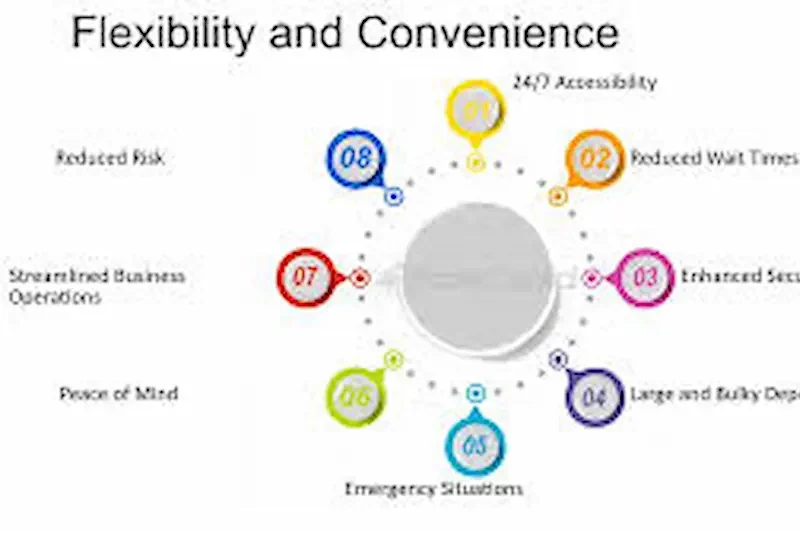
One of the key reasons smart learning is highly effective is its flexibility and convenience. Unlike traditional classrooms with fixed schedules and locations, smart learning allows learners to access educational content anytime and anywhere. Whether you are a student, a professional, or a lifelong learner, this flexibility makes it easier to fit learning into your daily routine.
Learn at Your Own Pace
Smart learning platforms allow learners to study at their own pace. You don’t have to rush through lessons or wait for others to catch up. This self-paced approach ensures you fully understand a topic before moving on to the next one. If you find a lesson challenging, you can review it multiple times without feeling pressured, which improves understanding and retention.
Access Anywhere, Anytime
With smart learning, you are not limited to a classroom or library. All you need is an internet connection and a device. Whether you are at home, traveling, or taking a break at work, you can continue learning without interruptions. This convenience is particularly helpful for learners with busy schedules or those balancing multiple responsibilities.
Flexible Scheduling for Busy Lives
For many people, managing time between work, studies, and personal life can be challenging. Smart learning gives you the freedom to choose when to study, making it easier to maintain consistency. You can create a learning schedule that suits your lifestyle, which increases productivity and ensures steady progress.
Revisit and Review Lessons Anytime
Another advantage of flexible learning is the ability to revisit lessons whenever needed. You can pause videos, repeat exercises, or re-read materials to reinforce learning. This repeated exposure helps strengthen memory and ensures a deeper understanding of the subject.
Encourages Consistent Learning
By allowing learners to study at convenient times and at their own pace, smart learning promotes consistent learning habits. Learners are more likely to stay engaged and motivated because they can control how, when, and where they study. This level of autonomy increases overall effectiveness compared to traditional rigid classroom methods.
Interactive and Engaging Tools
Smart learning is highly effective because it makes education interactive and engaging. Unlike traditional learning, which often relies on passive methods like reading textbooks or listening to lectures, smart learning actively involves learners, making the process more enjoyable and easier to retain.
Multimedia Resources for Better Understanding
Smart learning platforms use multimedia such as videos, animations, simulations, and infographics to make learning more visual and engaging. For example, instead of reading about the human heart, learners can watch an animated video showing how blood flows through the heart chambers. This visual approach helps learners understand complex concepts quickly and remember them longer.
Gamified Learning for Motivation
Many platforms incorporate gamification elements like points, badges, rewards, and leaderboards. This turns learning into a fun and motivating activity. Gamification encourages learners to complete lessons, participate in challenges, and improve their scores. Even challenging topics feel less stressful when learning becomes interactive and playful.
Interactive Quizzes and Exercises
Smart learning provides quizzes, exercises, and problem-solving activities that learners can complete in real-time. Immediate feedback helps identify mistakes and correct them on the spot, reinforcing understanding. These interactive exercises promote active learning, which is proven to improve memory retention and critical thinking skills.
Collaborative Learning Opportunities
Some platforms offer discussion forums, group projects, or peer-to-peer interaction. Learners can ask questions, share ideas, and collaborate on assignments. This encourages teamwork, improves communication skills, and exposes learners to different perspectives, making learning more holistic.
Adaptive and Personalized Engagement
Interactive tools are often adaptive. For instance, quizzes may adjust difficulty based on your answers, or exercises may focus on topics where you need improvement. This ensures that learners remain challenged without feeling frustrated, creating a tailored and efficient learning experience.
Real-Life Simulations and Virtual Labs
Advanced smart learning tools may include virtual labs, simulations, or augmented reality experiences. For example, a chemistry student can perform virtual experiments safely, while a medical student can practice procedures in a simulated environment. These real-life applications make learning practical and meaningful.
Enhanced Motivation and Retention
Overall, interactive and engaging tools make learning enjoyable and meaningful. Learners are more likely to stay motivated, complete courses, and retain knowledge for longer periods. By turning education into an active, hands-on experience, smart learning ensures that knowledge is not just learned but truly understood.
you may also like to read these posts;
What is Smart Learning? Benefits, Features, and Future Guide
Types of Smart Learning Methods for Modern Education
How to Apply Smart Learning in Daily Study for Better Results
Smart Learning vs Traditional Learning: Key Differences
Top Smart Learning Strategies to Study Better in 2025
Real-Time Feedback and Assessment
One of the most powerful aspects of smart learning is real-time feedback and assessment. Unlike traditional learning, where students often wait days or even weeks to find out how well they performed, smart learning provides instant results. This immediate feedback allows learners to quickly identify their strengths and weaknesses and take action to improve.
Instant Feedback on Quizzes and Assignments
Many smart learning platforms offer quizzes, exercises, and assignments that are graded instantly. If a learner answers a question incorrectly, the platform provides immediate explanations, hints, or step-by-step solutions. For example, in math or coding courses, learners can see exactly where they went wrong and correct their mistakes right away. This not only reinforces learning but also helps prevent the repetition of errors.
Tracking Progress Over Time
Real-time assessment tools often include dashboards and progress reports that show how learners are advancing. These reports highlight which topics are well understood and which areas need more focus. Learners can use this information to plan their study sessions more effectively, ensuring time is spent efficiently. Teachers or mentors can also monitor progress and provide additional guidance where needed.
Encourages Active Participation
Receiving immediate feedback encourages learners to stay actively involved in the learning process. Instead of passively reading or watching lessons, learners engage with the content, test their understanding, and refine their skills continuously. This active learning process significantly improves comprehension and retention compared to traditional methods.
Supports Personalized Learning Paths
Real-time feedback makes personalized learning possible. For instance, if a student struggles with a specific topic, the system can recommend extra exercises, tutorials, or multimedia resources tailored to their needs. This ensures that every learner receives the right level of challenge and support, enhancing effectiveness and efficiency.
Boosts Confidence and Motivation
Instant feedback helps learners build confidence. Seeing their progress and improvement motivates learners to continue studying and achieve their learning goals. Even when mistakes occur, the opportunity to correct them immediately reduces frustration and anxiety, making the overall learning experience more positive and productive.
Preparation for Real-World Applications
Real-time assessments also prepare learners for real-world challenges. By consistently testing knowledge and skills in a simulated environment, learners develop critical thinking, problem-solving abilities, and adaptability. Whether applying knowledge in exams, work projects, or daily tasks, learners become more confident and competent.
Continuous Improvement and Mastery
Another benefit of real-time feedback is that it encourages a cycle of continuous improvement. Learners can revisit mistakes, practice repeatedly, and gradually master each topic. Over time, this approach leads to deeper understanding, better retention, and higher overall performance.
Efficient Use of Time
Smart learning is highly effective because it helps learners use their time more efficiently. Traditional learning methods often require spending equal amounts of time on every topic, regardless of whether it is already understood or not. Smart learning focuses on optimizing study time, ensuring learners get the most out of each session.
Targeted Learning for Better Results
Smart learning platforms track performance and identify areas where a learner struggles and areas they excel in. This allows learners to concentrate on weak points instead of wasting time revisiting concepts they already understand. For example, a student studying mathematics might skip chapters they have mastered and spend more time on challenging topics like calculus or statistics. This targeted approach accelerates learning and improves overall results.
Self-Paced Learning
One of the most valuable aspects of smart learning is self-paced study. Learners can move through lessons at their own speed. Fast learners can advance without waiting for others, while those who need extra time can revisit lessons until they fully grasp the content. This flexibility ensures every learner makes efficient use of their study time without feeling pressured.
Access to Curated and Focused Resources
Smart learning platforms often provide curated materials such as summaries, key notes, interactive exercises, and video tutorials. Learners no longer need to spend hours searching for information online or in textbooks. Curated content highlights essential points, saving time and making study sessions more productive.
Minimizing Repetition
Traditional learning often requires repeating entire lessons to reinforce knowledge. Smart learning reduces unnecessary repetition by providing adaptive exercises and real-time feedback. Learners can focus specifically on areas where they make mistakes, reinforcing understanding efficiently without wasting time on content they already know.
Developing Time Management Skills
By encouraging self-paced learning, progress tracking, and focused study, smart learning helps learners develop excellent time management skills. Learners learn to plan study schedules, set goals, and prioritize tasks—skills that are valuable not only in academics but also in professional and personal life.
Balancing Multiple Responsibilities
Many learners juggle studies, jobs, and personal commitments. Smart learning’s efficient use of time allows learners to incorporate learning into their busy lives. For instance, someone can watch a short tutorial during a lunch break or complete interactive exercises in the evening. This flexibility ensures steady progress without compromising other responsibilities.
Maximizing Productivity
Overall, smart learning maximizes productivity by combining targeted lessons, adaptive exercises, curated resources, and self-paced study. Learners achieve more in less time, retain knowledge better, and build habits that support lifelong learning. Efficient use of time is one of the key reasons why smart learning is highly effective in modern education.
Encourages Self-Discipline and Responsibility
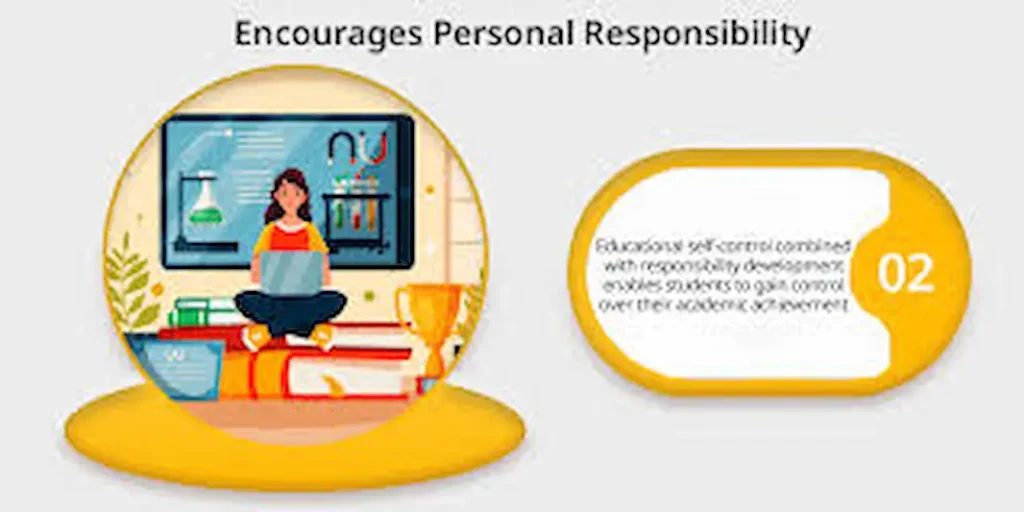
Smart learning is highly effective because it encourages learners to take responsibility for their own education. Unlike traditional classrooms, where teachers control the pace, structure, and progress, smart learning empowers learners to manage their study schedules, set goals, and monitor their achievements. This independence helps build self-discipline, accountability, and lifelong learning habits.
Taking Charge of Your Learning
In smart learning, learners are in control of what they study, when they study, and how they study. This freedom encourages them to take ownership of their educational journey. For example, a student can choose to focus on challenging topics first or prioritize lessons that are more relevant to their goals. By making these decisions independently, learners develop accountability and a sense of responsibility for their success.
Developing Strong Time Management Skills
Managing study schedules in smart learning helps learners develop excellent time management skills. Learners learn to allocate time effectively, balance study with work or personal commitments, and prioritize tasks. Many smart learning platforms provide tools such as progress tracking, reminders, and deadlines that guide learners to stay organized and on track, reinforcing disciplined habits.
Motivation Through Responsibility
When learners are responsible for their own progress, motivation naturally increases. The autonomy to make decisions and see the results of their efforts encourages persistence and commitment. For instance, completing a module or achieving a high quiz score motivates learners to continue studying and strive for higher achievements.
Self-Paced Learning Builds Discipline
Self-paced learning strengthens self-discipline because learners must manage the pace of their lessons themselves. They decide when to pause, review, or move forward, learning to balance productivity with comprehension. This responsibility helps learners stay focused, organized, and accountable for their learning outcomes.
Encouraging Lifelong Learning Habits
Smart learning not only benefits current studies but also builds habits that last a lifetime. Learners who develop self-discipline and responsibility are more likely to continue learning new skills, stay updated with emerging technologies, and adapt to changing professional and personal environments.
Confidence and Achievement
Taking responsibility for learning boosts confidence. When learners see their consistent efforts reflected in their progress, such as completing a course or mastering a difficult topic, it reinforces positive behavior. This sense of accomplishment motivates learners to take on more challenges, creating a continuous cycle of improvement and self-growth.
Examples of Responsibility in Smart Learning
- Setting personal learning goals and tracking them using digital dashboards.
- Scheduling study sessions and sticking to them without supervision.
- Completing exercises, quizzes, and assignments independently.
- Seeking additional resources proactively to strengthen weak areas.
By encouraging self-discipline and responsibility, smart learning ensures learners not only achieve academic success but also gain skills and habits that prepare them for lifelong personal and professional growth.
What is smart learning?
Smart learning is an educational approach that uses technology, personalized methods, and interactive tools to make learning more efficient, engaging, and effective. It allows learners to study at their own pace, get instant feedback, and focus on areas where they need improvement.
How does smart learning improve understanding and retention?
Smart learning uses multimedia tools, interactive exercises, quizzes, and simulations, which help learners actively engage with the content. This hands-on and visual approach makes it easier to understand complex concepts and remember them longer.
Can smart learning replace traditional classrooms?
Smart learning is not meant to completely replace traditional classrooms but to complement them. It provides flexibility, personalization, and interactive experiences that enhance learning. Many schools and institutions use smart learning alongside classroom teaching to improve results.
How does smart learning save time?
Smart learning identifies which topics a learner already knows and which ones need improvement. Learners can focus on weak areas instead of spending time on what they already understand. Self-paced study and curated resources also make learning faster and more efficient.
Is smart learning suitable for all ages?
Yes! Smart learning is suitable for students, working professionals, and lifelong learners. Platforms can adjust content and difficulty according to age, skill level, and learning goals, making it accessible to anyone who wants to learn.
Conclusion
Smart learning is transforming the way people acquire knowledge. Its effectiveness comes from a combination of personalization, flexibility, interactive tools, real-time feedback, efficient use of time, and the development of self-discipline and responsibility.
By adapting to individual learning needs, smart learning ensures that learners focus on areas that require improvement while progressing faster in topics they already understand. Its flexible, self-paced nature allows learners to study anytime and anywhere, fitting education seamlessly into busy schedules.