
Tech tools improve education by making learning more engaging, accessible, and personalized. From interactive apps and multimedia content to virtual classrooms, these tools help students understand concepts faster and retain knowledge longer.
In today’s fast-changing world, traditional teaching methods alone are no longer enough. Integrating technology into education enhances classroom learning, encourages collaboration, and equips students with essential digital skills for the future. In this article, we’ll explore how tech tools improve education and why they are becoming a vital part of modern learning.
Why Tech Tools Improve Education: Enhancing Student Engagement
Tech tools improve education by transforming the learning experience from passive to active. Engagement is one of the most important factors in successful learning, and technology helps capture students’ attention in ways traditional methods often cannot.
Interactive Lessons
Digital tools allow teachers to create interactive lessons using videos, simulations, quizzes, and educational games. Platforms like Kahoot, Quizlet, and Nearpod turn lessons into fun and competitive activities. Students are not just listening—they are participating, answering questions in real time, and collaborating with classmates. This active involvement improves understanding and long-term retention.
Catering to Different Learning Styles
Every student learns differently. Some are visual learners, some auditory, and others kinesthetic. Tech tools enable teachers to present content in multiple formats. For example, videos can help visual learners, podcasts or audio lessons support auditory learners, and interactive exercises help kinesthetic learners. This variety ensures that every student can grasp concepts in the way that suits them best.
Motivation and Confidence
When students engage with tech tools, they feel more confident and motivated to learn. Gamified learning apps, instant feedback from quizzes, and collaborative projects make students excited to participate. Increased engagement not only boosts confidence but also fosters a positive attitude toward learning.
Real-Life Examples
- Kahoot: Students answer quiz questions in a game-like format, competing with classmates.
- Google Classroom: Encourages collaboration, assignment sharing, and instant feedback.
- Interactive Whiteboards: Allow teachers and students to manipulate content in real time, making lessons hands-on.
Long-Term Benefits
Enhanced engagement through tech tools leads to better academic performance, improved critical thinking, and stronger problem-solving skills. Students who are actively involved in lessons are more likely to remember what they’ve learned and apply it in real-life situations.
Personalized Learning
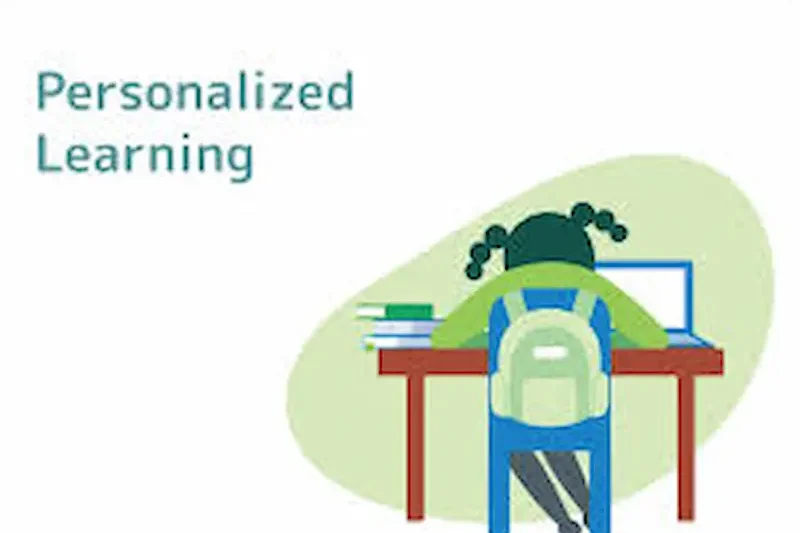
Tech tools improve education by enabling learning to be customized for each student’s unique needs, pace, and learning style. Unlike traditional classrooms where all students follow the same pace, technology allows teachers to provide targeted instruction that adapts to individual progress.
Adaptive Learning Systems
Adaptive learning systems use artificial intelligence to analyze student performance in real time. They identify strengths and weaknesses and adjust the content accordingly. For example, a student struggling with fractions in math may receive additional practice exercises, interactive tutorials, or step-by-step videos. Conversely, advanced learners can be given more challenging tasks to keep them engaged and motivated. This approach ensures every student receives exactly what they need to succeed.
Self-Paced Learning
With tech tools, students can learn at their own pace. Online platforms like Khan Academy, Coursera, or Edmodo allow learners to pause lessons, rewind difficult sections, or skip topics they already understand. Self-paced learning reduces stress, prevents frustration, and helps students build confidence in their abilities. It encourages independent learning, which is a critical skill for success in higher education and professional life.
Customizable Learning Paths
Teachers can design personalized learning paths using educational software. These paths may include specific exercises, digital resources, or project-based assignments tailored to individual student needs. For example, a student interested in science can explore extra lab simulations or interactive modules, while another student can focus on improving reading comprehension. Customizable paths help ensure that students remain challenged without being overwhelmed.
Supporting Different Learning Styles
Students have different learning preferences—some learn better by seeing, some by listening, and others by doing. Tech tools cater to all these styles. Multimedia content like videos, infographics, podcasts, and interactive simulations allows students to absorb information in ways that suit them best. This makes learning more inclusive and effective, ensuring no student is left behind.
Continuous Monitoring and Feedback
Tech tools provide continuous data on student performance. Teachers can track progress, monitor quiz results, and review assignment completion to identify areas where a student may need additional support. Immediate feedback helps students correct mistakes quickly, reinforcing learning and boosting confidence.
Benefits for Students and Teachers
Personalized learning empowers students to take control of their education, increasing motivation and engagement. It also helps teachers manage classrooms more efficiently by providing insights into individual student needs, enabling them to focus their attention where it matters most. Overall, personalized learning creates a more effective and supportive learning environment for everyone.
Collaboration and Communication
Tech tools improve education by making it easier for students and teachers to communicate and collaborate, both inside and outside the classroom. Effective communication is essential for learning, and technology provides multiple ways for students to interact, share ideas, and receive feedback in real time.
Facilitating Teamwork
Digital platforms like Google Classroom, Microsoft Teams, and Zoom allow students to work together on projects regardless of location. Students can share documents, co-edit presentations, and brainstorm ideas through virtual discussion boards. This kind of collaboration develops teamwork skills and teaches students how to work effectively in group settings—an essential skill for future careers.
Enhancing Teacher-Student Communication
Tech tools also improve communication between teachers and students. Messaging apps, online forums, and learning management systems enable students to ask questions anytime, and teachers can provide timely feedback. This immediate support helps students clarify doubts quickly and stay on track with their learning.
Real-Time Feedback
Technology enables teachers to give instant feedback on assignments, quizzes, or group projects. Tools like online grading systems and interactive quizzes allow students to see where they went wrong and correct mistakes immediately. Real-time feedback encourages continuous improvement and keeps students engaged.
Encouraging Peer Learning
Collaborative tech tools also promote peer-to-peer learning. Students can explain concepts to each other through discussion boards, video calls, or shared documents. Teaching others reinforces understanding and builds confidence while fostering a sense of community in the classroom.
Flexible Learning Environments
Virtual classrooms allow students to participate in lessons from anywhere, breaking down geographical and physical barriers. This flexibility ensures that learning continues even if a student cannot attend in person, making education more accessible and inclusive.
Long-Term Benefits
Collaboration and communication through tech tools help students develop essential 21st-century skills such as teamwork, leadership, problem-solving, and digital literacy. These experiences prepare students for higher education, professional environments, and real-life situations where effective communication is key
Access to Vast Educational Resources
Tech tools improve education by providing students and teachers with instant access to a huge variety of learning resources, far beyond traditional textbooks. With the right technology, students can explore subjects in depth, understand complex topics, and learn at their own pace, making education more engaging and effective.
E-Books and Online Libraries
Digital libraries and e-books have revolutionized access to information. Students can now read thousands of books, research papers, and academic articles online without leaving their homes. Platforms like Google Scholar, Project Gutenberg, and Open Library provide credible resources that support both classroom learning and independent study. E-books often include search functions, annotations, and multimedia elements, making studying faster and more interactive.
Educational Videos and Tutorials
Videos and tutorials make abstract or complex concepts easier to understand. Platforms like YouTube, TED-Ed, and Khan Academy offer lessons on almost every subject imaginable. For example, a student struggling with chemistry can watch interactive experiments or step-by-step problem-solving videos, while visual and auditory learners can absorb content more effectively than through reading alone.
Online Courses and Learning Platforms
Online courses allow students to learn from experts worldwide. Platforms such as Coursera, EdX, Udemy, and Khan Academy provide structured courses with lectures, assignments, quizzes, and certification options. This kind of access enables students to explore topics beyond their school curriculum, whether it’s coding, creative writing, or advanced mathematics, promoting continuous learning and skill development.
Interactive Simulations and Tools
Interactive simulations provide hands-on learning in a virtual environment. Tools like PhET Interactive Simulations, Labster, and GeoGebra allow students to experiment with physics, chemistry, biology, and mathematics concepts safely and efficiently. These simulations help students visualize processes that are hard to replicate in a classroom, improving comprehension and retention.
Access to Global Knowledge
Tech tools connect students to global resources and perspectives. From international research databases to online forums and webinars, students can explore different viewpoints, learn from experts worldwide, and stay updated with the latest developments in their fields. This exposure broadens understanding and encourages critical thinking.
Encouraging Self-Directed Learning
Having access to vast educational resources empowers students to take charge of their learning. They can explore topics of interest, complete research projects, or dive deeper into subjects they are passionate about. This fosters curiosity, problem-solving, and independent learning skills, which are vital for lifelong learning and academic success.
Benefits for Teachers
Teachers benefit from tech tools by finding up-to-date lesson materials, integrating multimedia content into their lessons, and creating interactive learning experiences. Digital resources save preparation time while allowing educators to present content in ways that engage students more effectively.
Long-Term Impact
Access to diverse educational resources enhances learning outcomes, encourages exploration, and equips students with the skills needed for the modern world. It also helps bridge learning gaps by providing tools and information to students who might not have access to quality education otherwise. Tech tools improve education
you may also like to read these posts;
How to Apply Smart Learning in Daily Study for Better Results
Why Smart Learning is Effective: Boost Your Skills Fast
Top Smart Learning Strategies to Study Better in 2025
Smart Learning vs Traditional Learning: Key Differences
Types of Career Paths for Students: A Complete Guide
Real-Time Assessment and Feedback
Tech tools improve education by providing teachers and students with the ability to track progress and give feedback instantly. Real-time assessment helps identify learning gaps quickly, allowing students to improve continuously while helping teachers adjust their instruction effectively. tech tools improve education
Immediate Feedback
With digital quizzes, online assignments, and interactive learning platforms, students receive instant feedback on their performance. For example, tools like Quizlet, Google Forms, or Kahoot not only grade responses automatically but also highlight mistakes and provide explanations. This immediate feedback allows students to correct errors and reinforce learning right away.
Tracking Student Progress
Tech tools provide detailed analytics on student performance. Teachers can monitor grades, participation, time spent on assignments, and areas where students struggle. Platforms like Edmodo, Moodle, and Canvas give educators insights to tailor lessons and provide targeted support for individual students. tech tools improve education
Personalized Support
Real-time assessment helps teachers identify students who may need extra help or additional challenges. For instance, if a student consistently struggles with a topic, the teacher can assign supplemental exercises or schedule one-on-one virtual sessions. This ensures that no student is left behind.
Encouraging Self-Assessment
Many tech tools also empower students to assess their own learning. Features such as progress dashboards, interactive quizzes, and self-evaluation tools encourage students to take responsibility for their education. By tracking their own progress, students become more aware of their strengths and areas that need improvement. tech tools improve education
Enhancing Motivation
Receiving instant feedback can be highly motivating for students. When they see immediate results, it encourages them to stay engaged, set goals, and continue learning. Positive reinforcement through tech tools helps build confidence and keeps students motivated to achieve better results. tech tools improve education
Benefits for Teachers
For educators, real-time assessment saves time and provides accurate insights into classroom performance. It allows teachers to focus on providing meaningful support rather than spending hours grading manually. This efficiency improves teaching effectiveness and enhances overall learning outcomes. tech tools improve education
Long-Term Advantages
By incorporating real-time assessment and feedback, students develop better learning habits, improve critical thinking skills, and become proactive in their educational journey. Teachers can create a more responsive and adaptive learning environment, leading to higher academic achievement and long-term success. tech tools improve education
Preparing Students for the Future
Tech tools improve education by equipping students with the essential skills needed to thrive in a modern, technology-driven world. Beyond academic knowledge, these tools help students develop critical thinking, problem-solving, and digital literacy, which are crucial for success in higher education and future careers. tech tools improve education
Developing Digital Literacy
Using technology in the classroom familiarizes students with digital tools, software, and online platforms. They learn how to navigate educational apps, conduct online research, and use productivity tools effectively. These skills are vital for future studies, workplaces, and everyday life in a digital world. tech tools improve education
Building Critical Thinking and Problem-Solving Skills
Tech tools encourage students to analyze information, make decisions, and solve problems. Interactive simulations, coding platforms, and virtual labs challenge students to apply knowledge in practical situations. This hands-on experience helps them think critically, make informed decisions, and develop innovative solutions. tech tools improve education
Collaboration and Communication Skills
Through digital platforms like Google Classroom, Zoom, and Microsoft Teams, students collaborate on projects, discuss ideas, and give peer feedback. Learning how to work effectively in virtual teams prepares students for future workplaces, where remote collaboration and communication are becoming increasingly common. tech tools improve education
Encouraging Lifelong Learning
Technology fosters a mindset of continuous learning. With access to online courses, tutorials, and educational resources, students are encouraged to explore new subjects and skills independently. This habit of self-directed learning prepares them to adapt to changing industries and evolving career demands. tech tools improve education
Exposure to Real-World Applications
Tech tools help students connect classroom learning to real-world applications. For example, coding exercises can be applied to software development projects, while virtual business simulations can teach entrepreneurship. Experiencing practical applications of knowledge prepares students for real-life challenges. tech tools improve education
Long-Term Career Benefits
Students who are comfortable with technology and equipped with problem-solving, critical thinking, and collaboration skills are better prepared for modern careers. They have a competitive edge in higher education and the job market, and they are more likely to adapt successfully to future technological advancements. tech tools improve education
Common Mistakes to Avoid

Tech tools improve education significantly, but improper use can reduce their effectiveness. Teachers and students need to understand how to integrate technology wisely to maximize learning benefits. Here are some common mistakes and how to avoid them.
Over-Reliance on Technology
Relying solely on tech tools can be counterproductive. While digital platforms enhance learning, traditional methods like discussions, hands-on activities, and face-to-face interaction remain essential. The best approach combines technology with conventional teaching for a balanced learning experience. tech tools improve education
Lack of Clear Objectives
Using tech tools without clear learning goals can confuse students and waste time. Every digital resource or app should have a specific purpose, whether it’s reinforcing a concept, assessing understanding, or promoting collaboration. Clear objectives ensure technology adds real value to education. tech tools improve education
Ignoring Student Needs
Not all students are comfortable or familiar with technology. Assuming everyone can adapt quickly may leave some students behind. Teachers should provide guidance, tutorials, and support to ensure all students benefit equally from tech tools.
Excessive Screen Time
Spending too much time on devices can lead to fatigue, distraction, and reduced learning efficiency. Tech tools should complement learning, not dominate it. Balancing screen-based activities with offline learning and physical engagement is key to maintaining focus and productivity. tech tools improve education
Not Updating Tools and Content
Using outdated software, apps, or content can limit learning effectiveness. Tech tools evolve rapidly, so teachers need to stay updated with the latest platforms, interactive resources, and security measures to provide students with the best possible learning experience. tech tools improve education
Overlooking Assessment and Feedback
Technology is most effective when combined with proper assessment and feedback. Neglecting to monitor progress or provide timely responses reduces the impact of tech tools. Using analytics, quizzes, and interactive assessments ensures students stay on track and continue improving. tech tools improve education
Balancing Technology and Traditional Methods
The most successful approach is to integrate tech tools thoughtfully with traditional teaching methods. Combining interactive apps, digital resources, and virtual collaboration with classroom discussions, hands-on activities, and personal interaction creates a rich, effective learning environment. tech tools improve education
Which tech tools are best for students?
The best tech tools depend on the subject and learning goals. Some popular options include:
Khan Academy – for self-paced learning and tutorials.
Google Classroom – for collaboration and assignment management.
Quizlet & Kahoot – for interactive quizzes and games.
Edmodo & Microsoft Teams – for communication and teamwork.
Labster & PhET Simulations – for virtual experiments in science and math.
How can teachers use tech tools without overwhelming students?
Start gradually and choose tools with clear objectives. Introduce one platform at a time and provide guidance. Balance screen time with offline activities, discussions, and hands-on learning to ensure students stay engaged and not overwhelmed.
Are tech tools suitable for all subjects?
Yes, but the type of tool may vary. For example:
Science: virtual labs and simulations.
Math: interactive problem-solving apps.
Languages: vocabulary apps, podcasts, and interactive reading tools.
Arts: digital drawing, music composition, and multimedia tools.
Selecting the right tool for each subject maximizes learning outcomes.
Can tech tools replace traditional teaching methods?
No, tech tools are meant to complement traditional methods, not replace them. Combining technology with lectures, group work, and hands-on activities provides a balanced and effective learning experience.
How do tech tools benefit teachers?
Tech tools help teachers save time, monitor student progress, give instant feedback, and create interactive lessons. They also allow for personalized instruction and more efficient classroom management.
Conclusion
Tech tools improve education by making learning more engaging, personalized, and effective. They help students understand concepts faster, retain knowledge longer, and develop essential 21st-century skills such as critical thinking, problem-solving, and digital literacy.
By enhancing collaboration, providing access to vast resources, and enabling real-time assessment and feedback, technology transforms the traditional classroom into a dynamic learning environment. When used thoughtfully, tech tools complement traditional teaching methods, motivate students, and prepare them for higher education and future careers.